
Fall garden cleanup – not so fast! – by Diane Morey Sitton
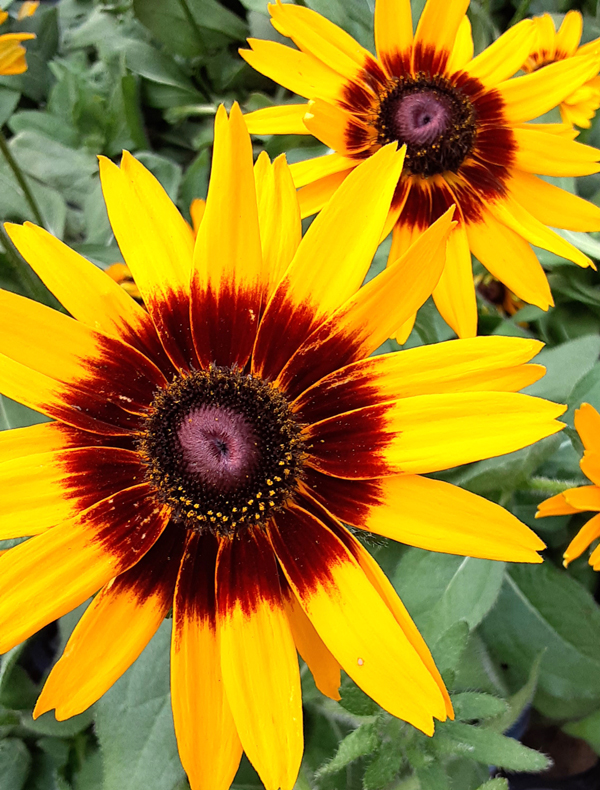
As summer slips into fall, seed heads fill the spaces where vibrant flowers and grass plumes once stood, leaves begin floating to the ground, and twig piles accumulate. What’s more, shrubs may look, well, shrubby and overgrown.
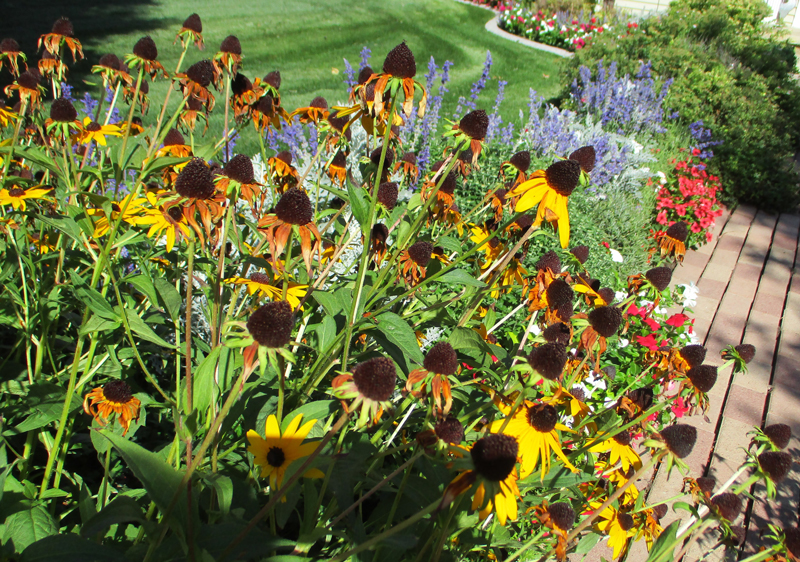
But bird lovers know to resist grabbing the clippers and rake.
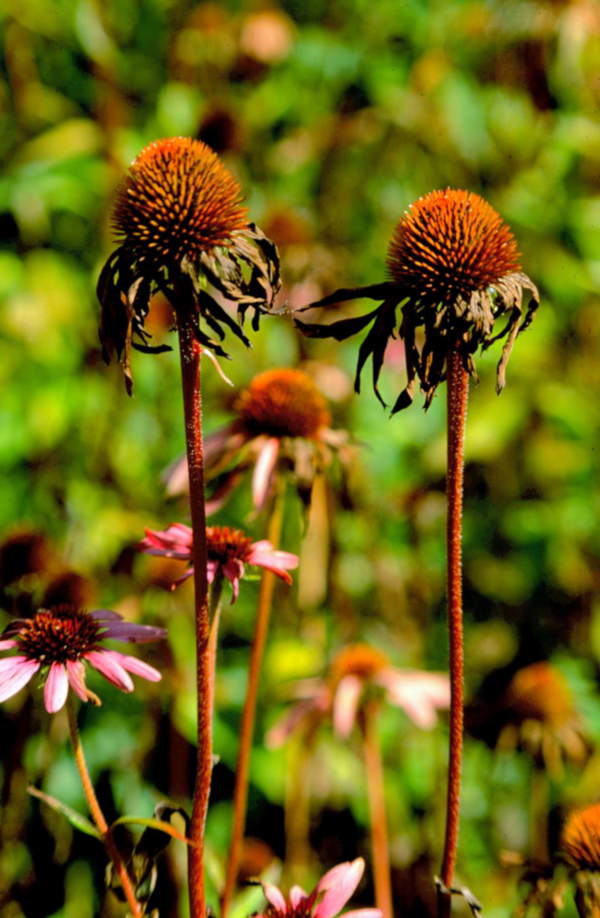
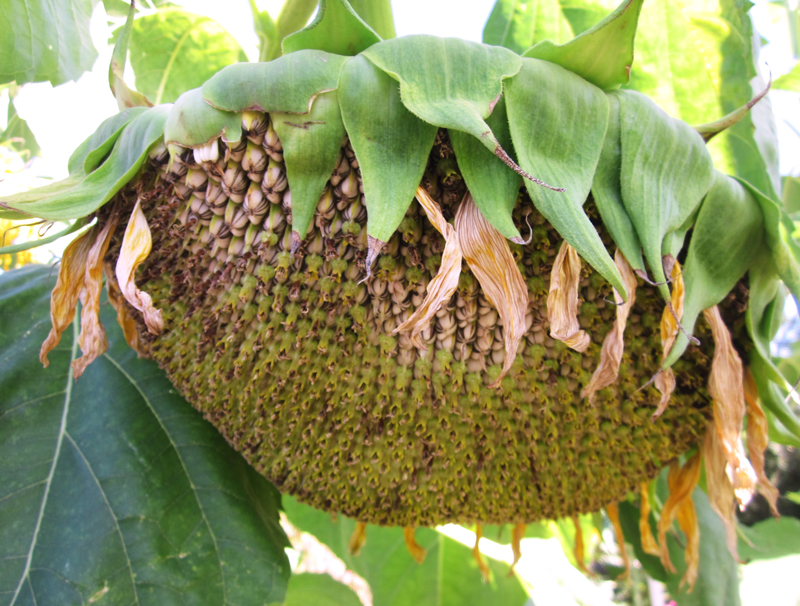
Although the spiky, prickly and bristly seed heads that dominate flower beds and borders may look unsavory to us, to seed-eating birds they are a treasure trove of nutrition. Chickadees and finches, among other beloved garden birds, relish the seeds of easy-access, daisy-like flowers including black-eyed Susan, coneflower and zinnia, to name a few. Finches, sparrows and nuthatches flock to cosmos, coreopsis, goldenrod, phlox and salvia.
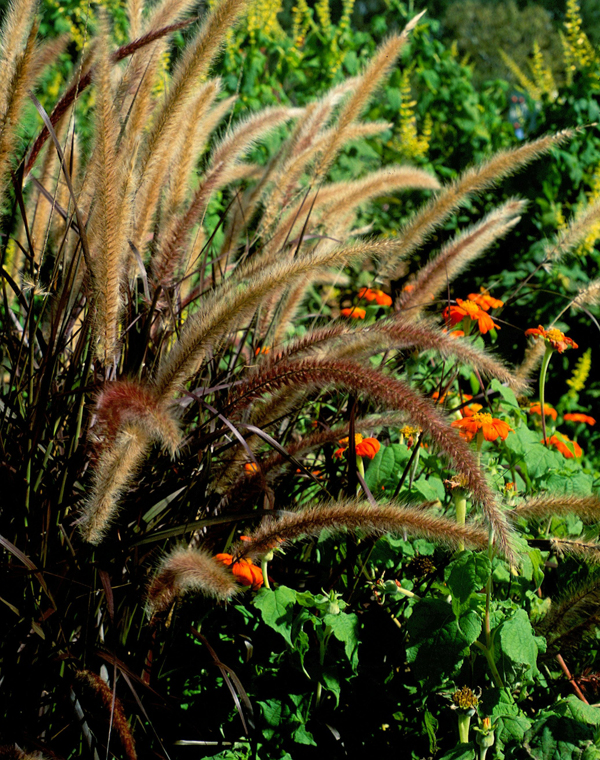
Ornamental grasses like Miscanthus and Pennisetum add to the late-season smorgasbord. Let Mother Nature feed the birds by allowing the graceful flower plumes to mature and set seed. The foliage, too, is bird friendly. It provides late-season cover.
Bird lovers know, too, not to be in a rush to trim back holly, honeysuckle, pyracantha and other berry-producing vines and shrubs. Robins, thrushes, tanagers and other fruit-and-berry-eating bird species relish their winter fruit. What’s more, dense evergreen shrubs supply cover in harsh weather and offer a safe haven from predators in summer and winter. (Note: Where diseased foliage is present, remove and destroy to prevent disease from emerging in spring.)
With the onset of cold weather and its declining insect populations, garden birds especially appreciate even small areas where leaves have been left on the ground, mimicking nature. Besides providing an inviting place for birds to forage for insects, the natural blanket acts as mulch, reduces weeds, and protects roots from temperature extremes.
And remember, just as birds enjoy seeds and other natural food sources, they appreciate clean fresh water for drinking and bathing. Regularly clean and refill birdbaths and shallow saucers.
So when the impulse hits to snip off browning seed heads, rake up fallen leaves, and clip back shrubs and vines, follow nature’s example. The birds will thank you with their colors and songs.