
The question I can’t answer
Whether it was on the radio, in my newspaper columns, in my gardening magazine, or in my weekly electronic e-gardens newsletter, I’ve pretty much made my living answering people’s gardening questions. 450,000 questions in 55 years. Yep. A few have been duplicates.
How could it be then that there’s one question that I’ve never been able to answer? (Or that I’d not even try to answer?)
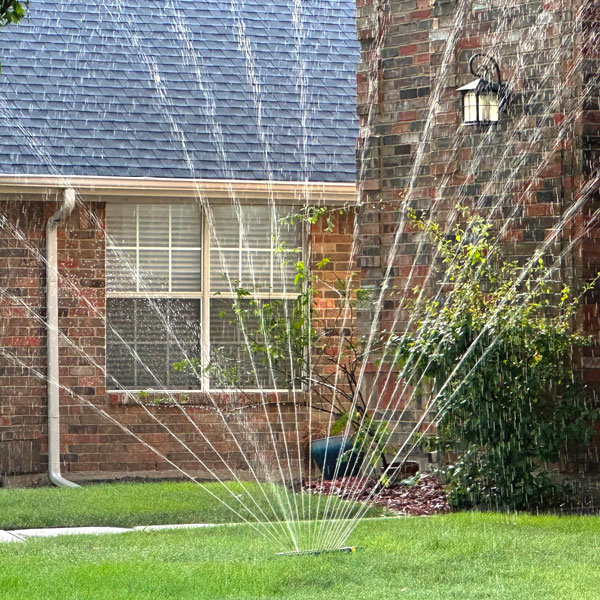
That’s because the question is one of those imponderable types:
“Neil…How often should I water my _?”
That question still comes up pretty often, so I’ve tried to develop an explanation. I put it back on human terms:
“How often do you take a drink of water?”
That’s not easy to answer when you think about it that way, is it? I’ll explain it, and perhaps it will make a little more sense.
What determines when a plant should be watered?
Here are factors that make it impossible to predict when a plant will need to be watered.
• Species. Some plant types consume much more water than others.
• Temperature. Plants will need to be watered more often at 90F than at 40F. Even a swing of 10 or 15 degrees can make a big difference.
• Soil type. Clay soils are more difficult to water deeply, but once they’re thoroughly soaked they hold water longer. Sandy soils have much less capacity to hold water reserves.
• Sun or shade. Plants against a sunny west wall will dry out more quickly than the same species in a shady corner.
• Wind. Strong breezes dry out soils and they take moisture away from leaves.
• Vigor. A plant that is growing strongly will be using more water than the same plant that has shut down toward the end of the growing season.
As if all that weren’t enough
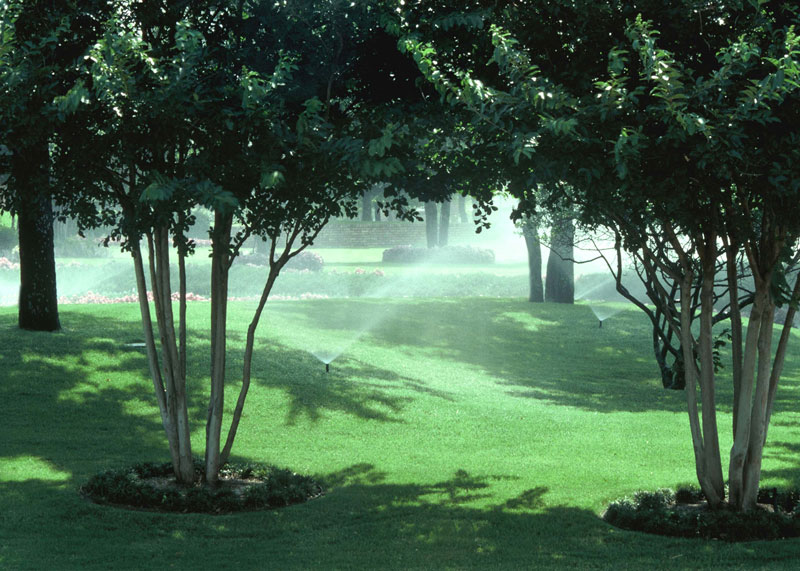
If you’re using an automatic sprinkler system you introduce a new level of dynamics into the mix. Consider these mixed in with the variables above:
• What is your water pressure?
• What types of heads are you using?
• What is the layout of your beds/spray heads/bubblers/etc.?
• Did you do special bed preparation?
• What provisions do you have for runoff? Some controllers allow a system to run in multiple short cycles so water will have time to soak into the ground between cycles.
How do you make sense of all this?
• You learn to “read” your plants. Most plants give visible indications when they’re getting dry. They wilt. Their leaf colors change – usually from bright green to dull, drab green. (Be careful – this one can be subtle.)
• You watch the soil. It may turn lighter in color. It may develop small cracks against edgings and concrete and start to pull away.
• You have some of the best “moisture meters” ever made on the ends of your arms. Stick your fingers into the soil. Is it dry to the touch? Is it dry more than 1/2 to 1 in. down? Then it’s probably time to consider watering.
• Encourage deep root growth. Water deeply, then let the soil begin to dry (as described above) before you water again. Frequent, light waterings encourage shallow root growth and that’s not good for your plants.
It all boils down to common sense and experience. As you put some gardening seasons under your belt, you’ll find these decisions will become second nature.