
Boston ivy thrives in Texas
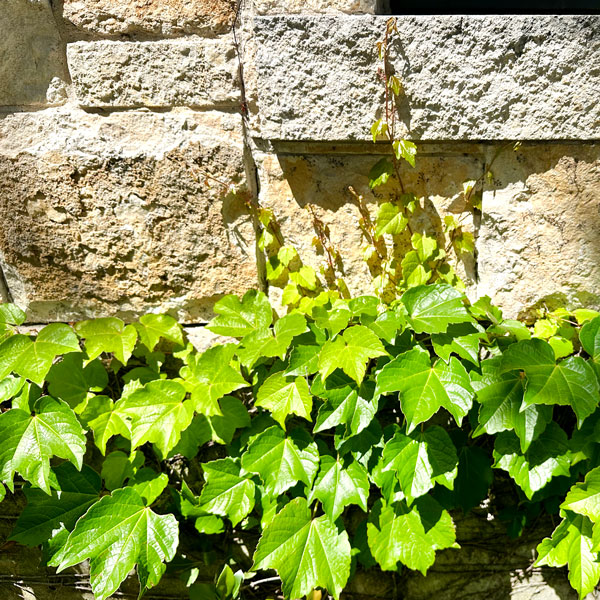
Boston ivy has always been one of my favorite vines. It’s always been easy to grow and eager to please. We’ve had it growing on our bricks for more than 40 years.
The fun facts…
It’s not native to Boston – not even close. Would you believe 7,000 miles? Boston ivy (Parthenocissus tricuspidata) is native to Japan, also Korea and eastern parts of China.
It was introduced to the United States in the late 1800s as an ornamental vine, and it became very popular in New England, specifically Boston where its clinging habit worked perfectly with the very old brick buildings.
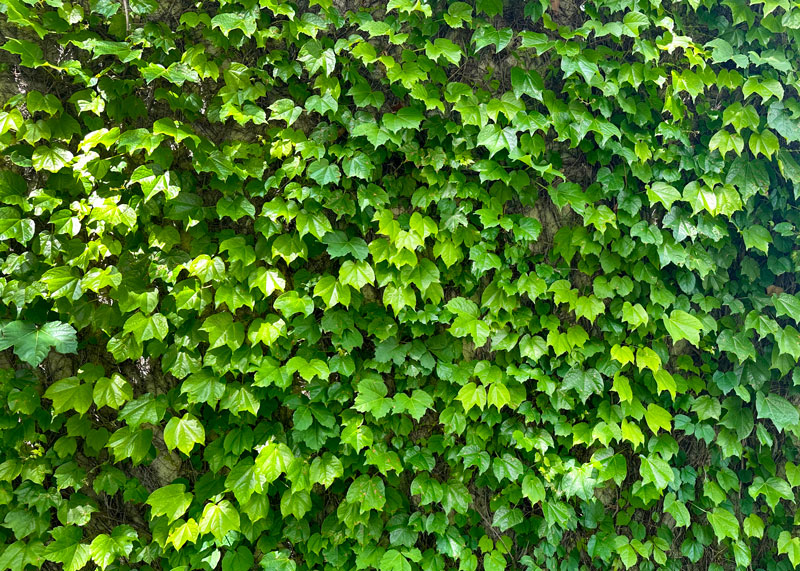
Think of “Ivy League” schools and you’ll have it down right. This is your plant. Those “Halls of Ivy.”
When you book that trip to historic Wrigley Field in Chicago, be aware that the beautiful vines growing on the outfield walls are Boston ivy. Go early in the season and they’ll still be bare. Watch them break bud and start growing as the Cubs get their season up and running. Pretty neat bit of horticultural history.
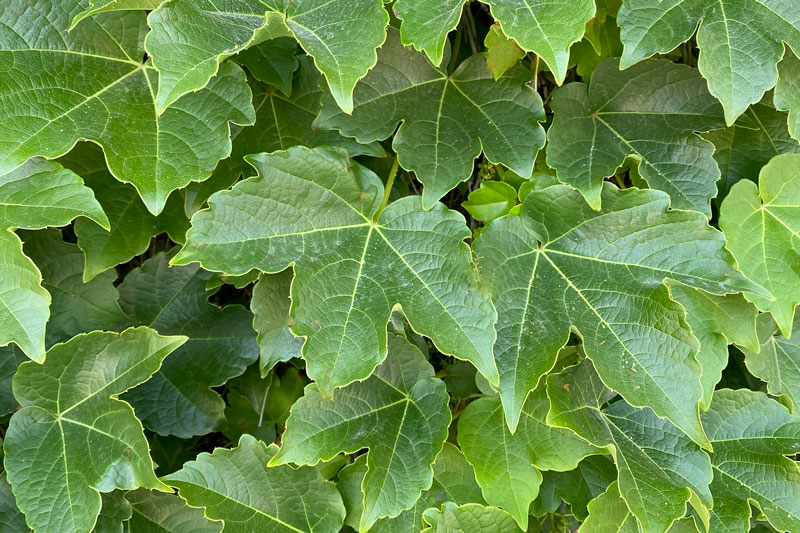
Many vines climb by twining around their supports. Honeysuckle is a great example. Other vines send out tendrils that grab hold of what will be their supports. Think “grapes” for examples. Some plants aren’t really vines at all, but they act like it by leaning against their supports. Climbing roses are classic examples.
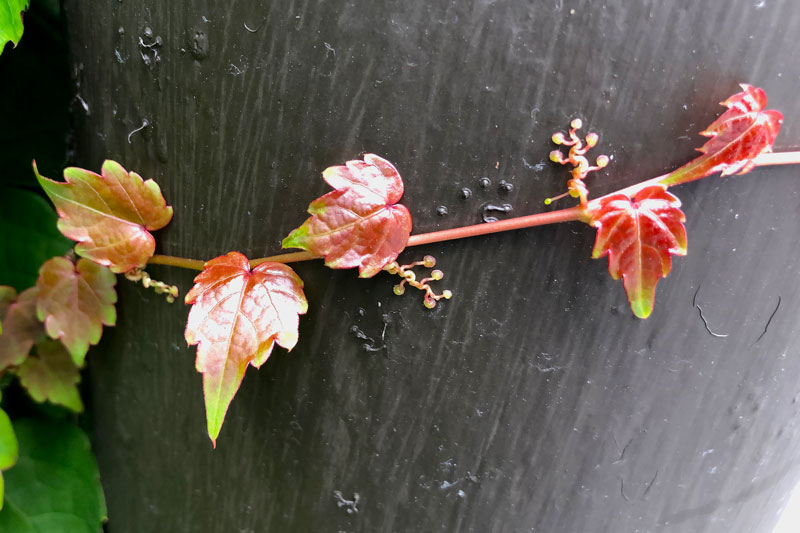
Put all those aside, however. Boston ivy climbs quickly by producing tiny “suction” cups along its stems. They adhere to hard surfaces like brick and stone. Keep them away from window screens and siding because that suction seems to go on forever. They are very difficult to remove with anything short of dynamite.
Boston ivy is deciduous. Unlike the more common English ivy (Hedera helix), Boston ivy goes bare in the winter. Its fine-textured twigs and branches make interesting patterns against the flat surfaces.
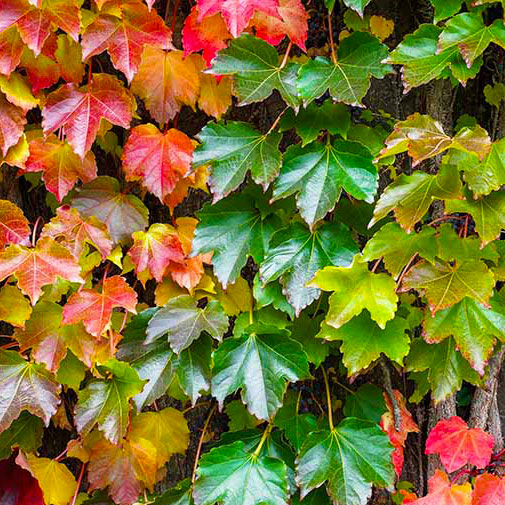
Leaf drop in the autumn is preceded by a glorious show of fall colors. This is one of our best and most reliable sources of all. Watch for shades of red, yellow, orange, and burgundy. The more sun the leaves receive the brighter the colors.
On the other hand, Boston ivy does better if it’s not planted against a hot, baking west-facing wall. Its ideal home would be on the north, northeast, east, or southeast side of a building where it would have sun for half of the day, then shade when the sun’s at its hottest.
Boston ivy may get fungal leaf spot if it’s kept in a still, humid part of the garden. Avoid overhead watering if you see that developing and apply a fungicide labeled for such diseases.
Lace bugs are the biggest issue. When they hit, the leaves will start out looking stippled pale yellow, almost white. Left unchecked, the pests will turn the leaves brown and crisp. You’ll see black beads of excrement on the backs of impacted leaves. You may even catch glimpse of a few of the adult insects – the size of BBs with clear wings on their backs. Apply a systemic insecticide to the soil around the plant as soon as you see the first signs of their presence. In successive years, make that application two weeks earlier.
Texas nurseries have Boston ivy in stock right now. One plant will cover 100 sq. ft. of wall space, so you don’t have to buy many. They are sold growing on short stakes. Set the plants close to the house in holes angled so that the tops of the stakes touch the wall of your house. The Boston ivy will take over from there.