
Holly ferns star in the shade
It gets its name from its broad holly-like leaflets, yet this is a fern and it’s well suited to moist, shaded settings beneath large trees, against the north sides of buildings, and in other places where other plants might complain about lack of direct sunlight. Holly ferns will stand strong.
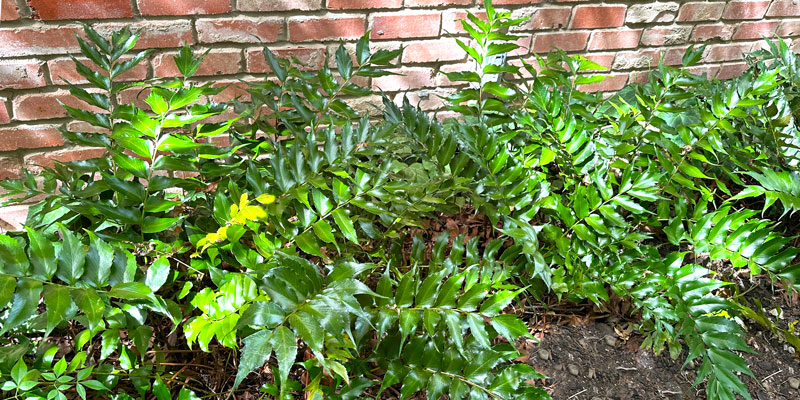
Botanically this plant is Cyrtomium falcatum. It’s native to Southeast Asia where it’s been cultivated for centuries. It was brought to Europe in the 1800s and to the United States by the turn of last century. Southern gardeners soon learned to love it beneath their huge spreading live oaks, and the rest has become history.
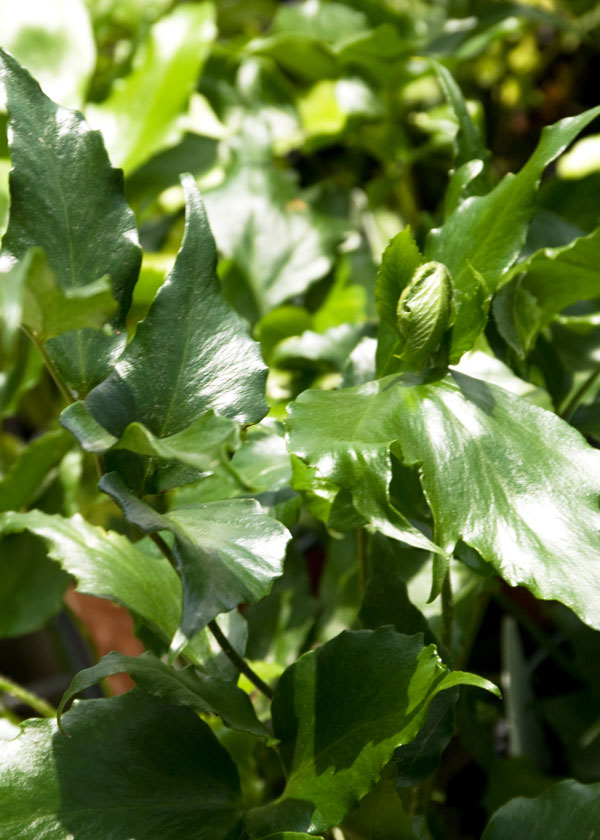
Holly ferns are evergreen. That’s unusual for our perennial garden ferns. Most die back to the ground then send out fresh fronds each spring. Holly fern just keeps growing. It attains a height of 18 in. and a spread of 24-30 in.
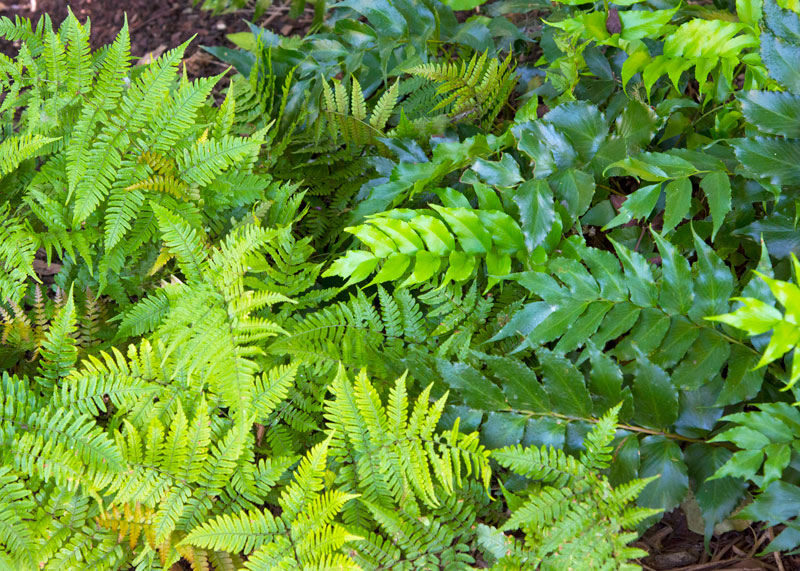
It combines well with other shade-loving plants such as cast iron plants (aspidistra), English ivy, liriope, hellebores, and autumn ferns. Its deep green fronds are a perfect contrast against dark-colored brick and stone, and the plants’ arching habit lends grace to woodland pathways.
I grew holly ferns as a teen in our landscape in College Station and it did well for me there. Farther north where I’ve gardened for the past many years (DFW area) I have to cover it with frost cloth to keep it from freezing in really cold winter weather, but with that small amount of extra care it has survived for 20 years where I have it planted right now and I couldn’t be more satisfied. Garden references list it as hardy to Zones 6-9, but I’d be afraid to recommend it that far north. For me, it’s Zone 7-9.
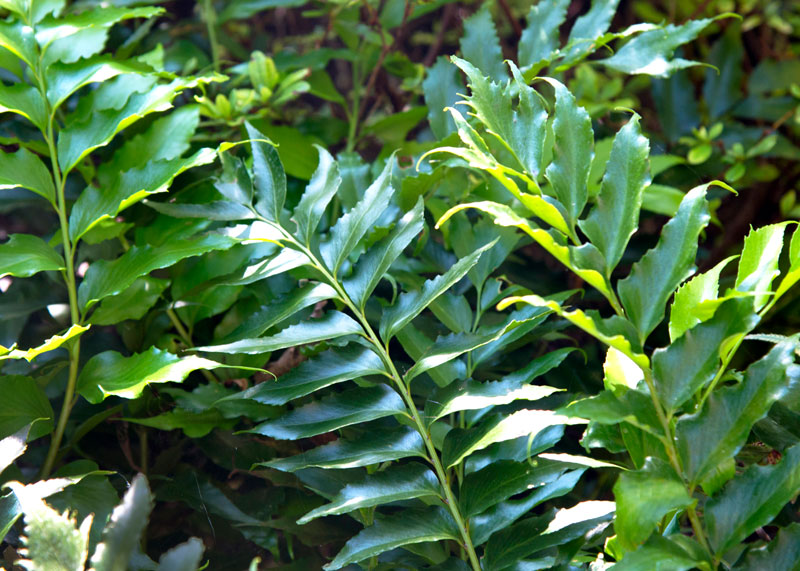
Holly ferns rarely face any issues with insects or diseases. If the plants are allowed to get excessively dry their leaflets will turn brown around their edges. Water them immediately and trim off any damaged fronds. They’ll usually bounce right back.
Just like all ferns, holly ferns reproduce by spores. You can also dig and divide mature clumps, although I would never do that. I always opt just to buy new plants so they can get a vigorous start.
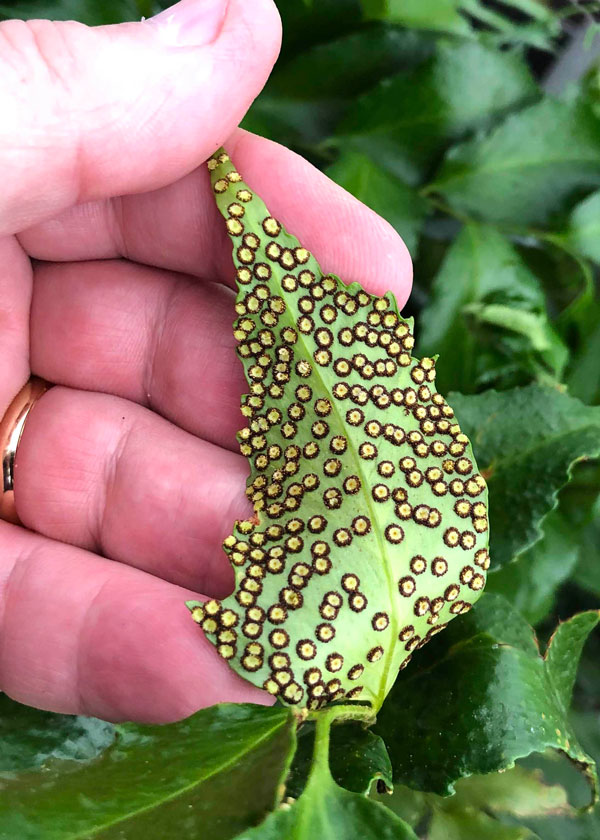
Note: Gardeners are often concerned when they observe spores on the backs of their holly fern leaves for the first time. They think their plants have been visited by insects that have deposited hundreds of eggs. Not to worry: they’re just trying to reproduce more ferns. Leave them alone.