
Ravaged by Ragweed
Personal note: I spent most of September with serious bronchial issues. Several bags of cough drops, a bottle of Robitussin, a chest X-ray, a CT scan, and a lot of sleep-challenged nights, I’ve come to the realization that I may have developed an allergy to fall pollens, probably ragweed, late in my life. I’ve always struggled with spring wind-driven pollens of oak and pecan, so I should have known better about this one. I’ll be talking to an allergist very soon. But first, on to my story.
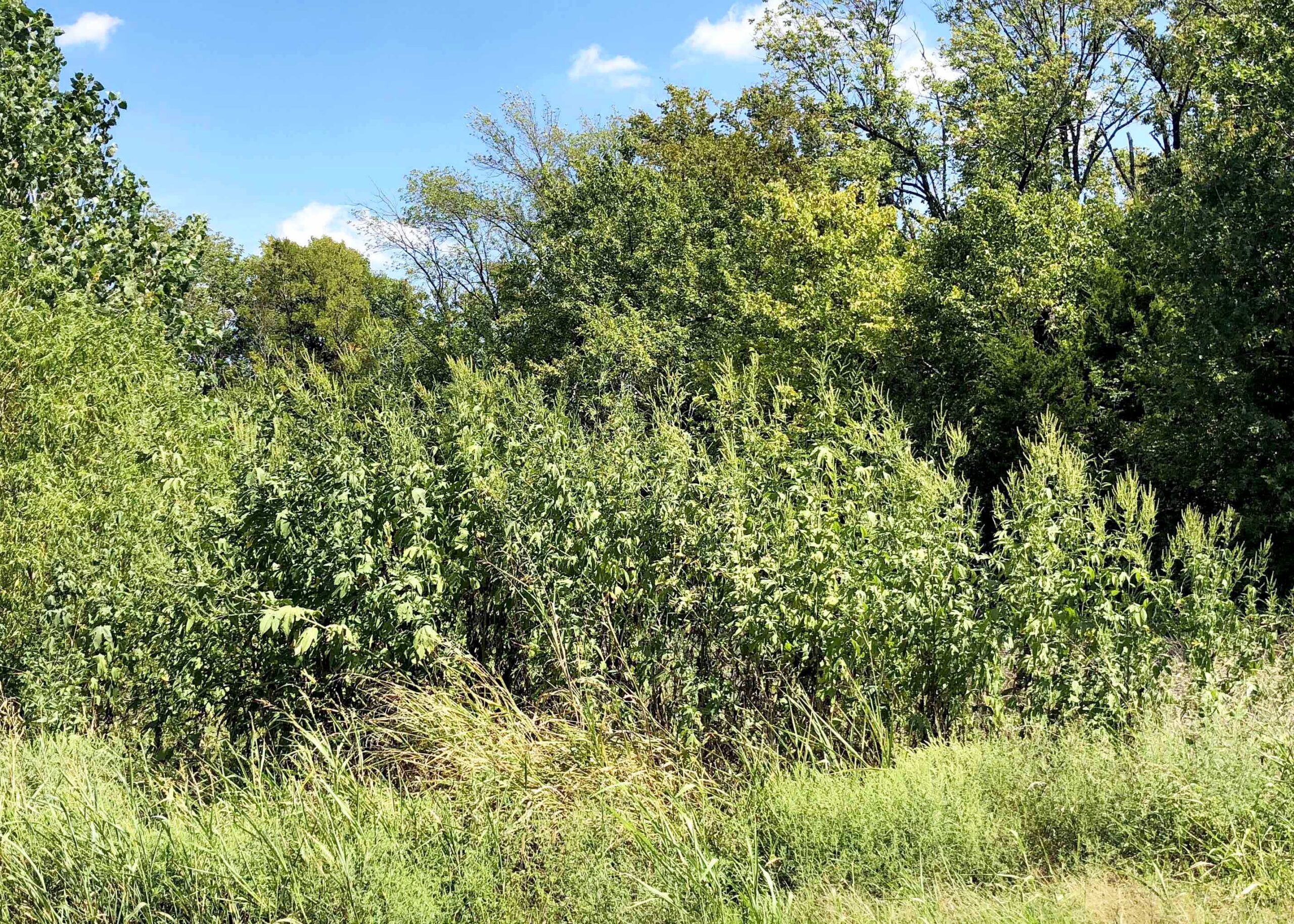
It’s one of the biggest sources of allergic reactions each autumn. Ragweed, one of the 17 species of genus Ambrosia, has roared into full bloom for another year.
It’s native to 49 states (all except Alaska). Its pollen, like that of oaks, pecans, cedars, and grasses, is carried for miles by wind. It’s really a very efficient way for tiny pollen grains to be transported. Bees don’t have to be bothered. All it takes is a gentle breeze and your allergies are put on alert.
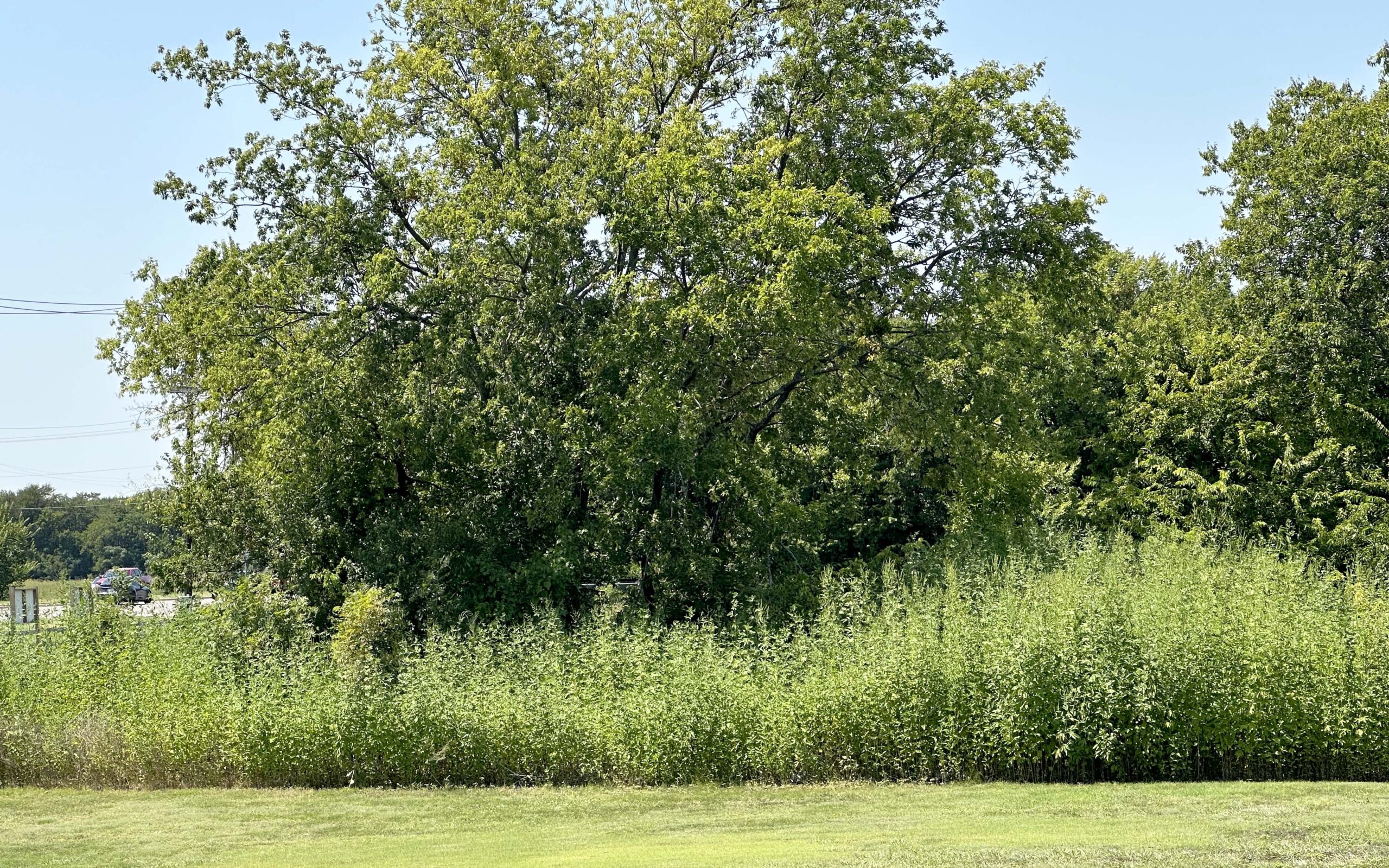
And not only can it grow tall, it can also grow in masses. It’s not uncommon to see stands of it at the edges of woodlands 20 feet deep and a quarter mile long in wetter parts of Texas. Think of the pollen that many plants could produce. A couple of swipes with a tractor and mower could wipe all that out in late summer, but there’s just so much of it. Your allergist will have medicines to help with your agonies.
