
5 sources of color in shade
We bought our little 11-acre rural property just north of Dallas in 1971. We had a sunny meadow for our home and a secluded country road for our address.
Now we have neither. One of the cities near us has been designated as “the fastest growing city in America,” and it feels like they all drive past our house twice daily. And our nice little pecan and red oak trees are now green giants casting shade over all our landscape.
In those 50 years since we built on those acres, I’ve gradually become an expert on ways to get color into our gardens, and I’ll share five of my favorites with you today. I have others, and I’ll bring them out later.
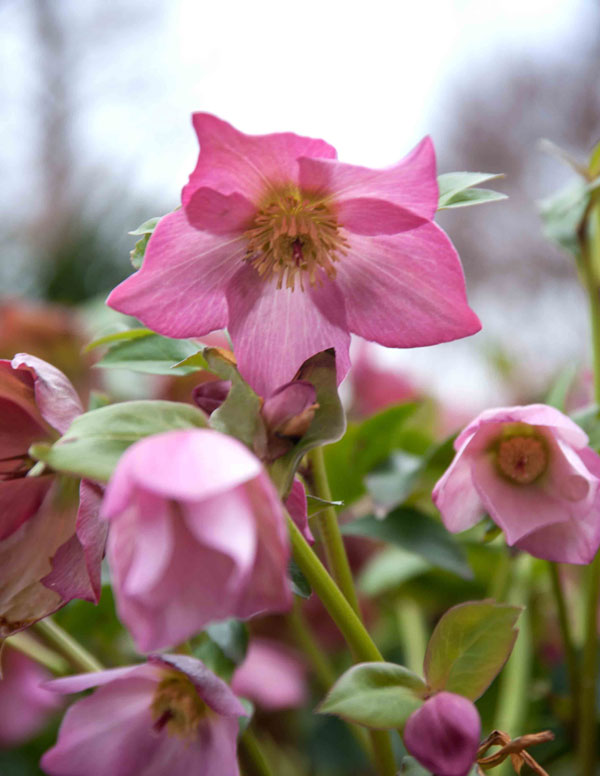
• Hellebores. These beauties are comparative newcomers. Folks started planting and talking about them 25 years ago. The Dallas Arboretum featured them in big beds. Breeders busied themselves finding stronger colors and flowers that stood more upright. Also known as Lenten roses, hellebores bloom from late winter into early spring. The plants are a bit pricy but grow them as you would grow ferns and they’ll be with you for decades. Our better nurseries offer them in pots, or they’re widely available from online specialists. It’s always best to buy locally whenever possible. Ask your store manager if they will be stocking them.
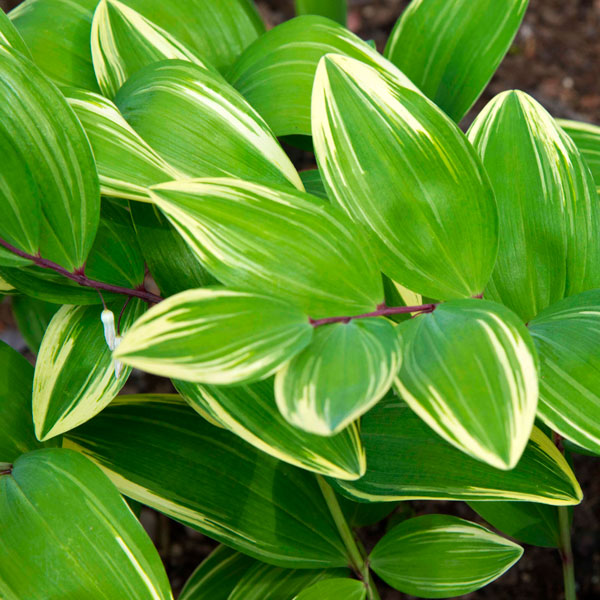
• Solomon’s Seal. Former director of horticulture at the Dallas Arboretum Jimmy Turner mentioned these one morning in his weekly report on my radio program on KRLD. I told him I’d never heard of them, but his description got me so interested I made a point of doing my homework. Within two days I’d bought a dozen. They bloom for a few weeks in the spring, but the colorful foliage is with us all spring and summer. Depending on the variety they grow to 15 to 24 in. tall on upright stalks. Some are green, but most have creamy white variegated leaves. They die to the ground over winter, then come sprouting back out the next spring. They’re especially pretty when used in contrast against dark green leaves of other plants.
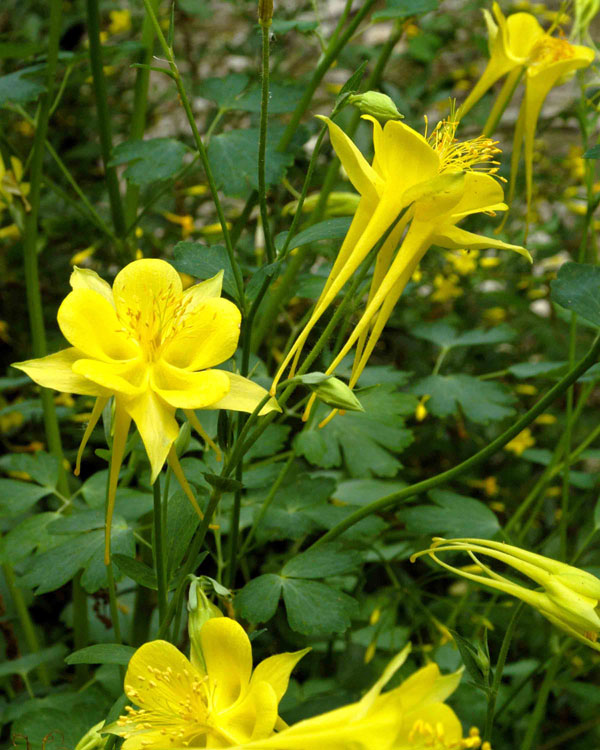
• Texas Gold columbine. This is one of many great introductions from our friend Greg Grant, Smith County Extension Horticulturist – one of our state’s finest plant people ever. Greg found and developed this from a native stand in the mountains of West Texas. The plants themselves are short-lived perennials, but they reseed themselves freely. They are one of the rare columbines that thrives in Texas conditions. Give them an organic planting soil, moisture, and shade. They’ll bloom for many weeks in late spring, after which the foliage will die back as the plants set their seed.
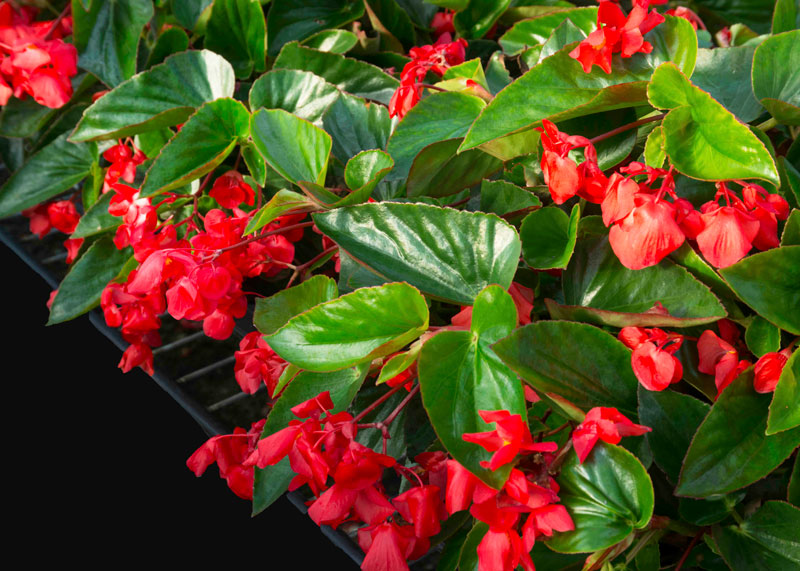
• Dragon Wing begonias. I’ve grown begonias all my life, and I’ve never found one I enjoy as much as this group. Their leaves are large, glossy, and dark green, the perfect backdrop for their pink or red blooms. The plants have an open, rounded habit to 15 to 20 in. tall and wide, and their flower clusters are large and loose – just beautiful. These plants are wonderful in beds, large patio pots, and big hanging baskets. They sell so quickly it’s often hard to find them. But find them we must!
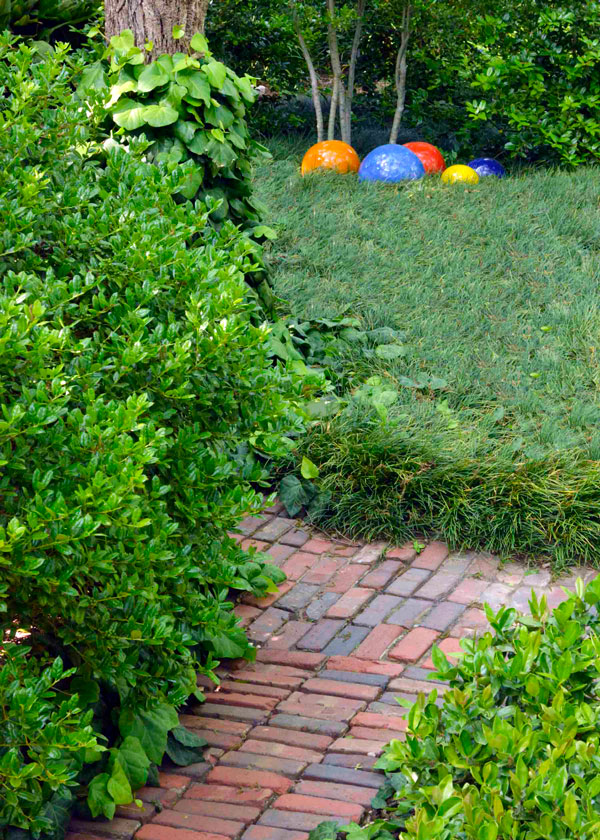
• Glazed ceramic globes. These are not an admission of failure – that I couldn’t get color to grow here. They’re just the handiwork of a wise man who didn’t want to have to track through the mondograss groundcover every couple of days to water large patio pots. They provide me 12 months of dependable color without ever asking for any kind of attention. I actually have two additional groupings of globes in other parts of our landscape, with a couple of colorful glass gazing balls in still other places – all adding color to their shady parts of our gardens.