
Fun Facts About One Ficus

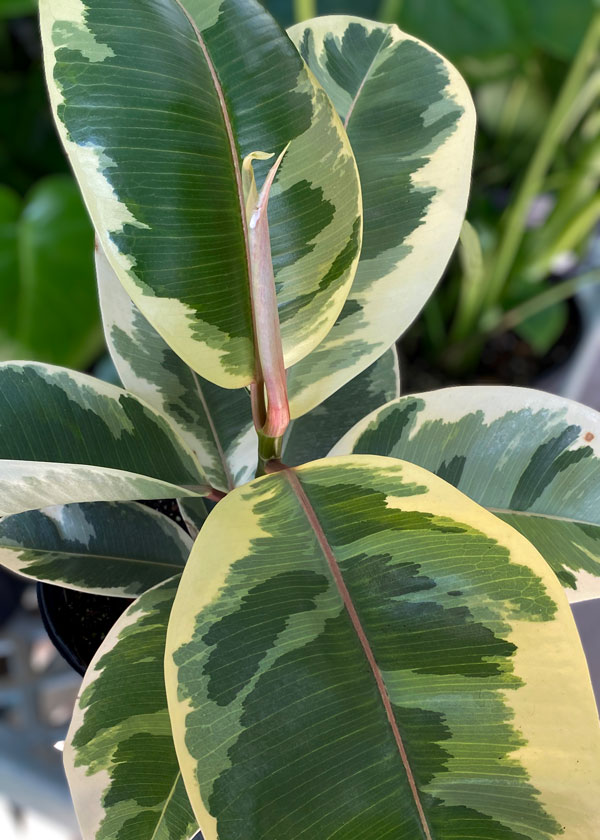
Virtually every person claiming to be a gardener recognizes rubber plants, if not by name, at least by their thick, succulent leaves. If they’ve ever pruned or broken a stem or a leaf, they know that latex sap drips freely onto all surfaces below.
Somewhere back in time folks in India and Southeast Asia in general learned that rubber could be made from those extrusions.
But production was poor and quality was less than ideal. Another plant, the true rubber tree of Brazil (Hevea braziliensis) from the Amazon Basin yielded far superior rubber and could be grown in plantations. By the early 1900s, it was essentially the only plant being cultivated for rubber.
Economic botany was one of my favorite courses in college, and here’s a good example of why. This YouTube video shows how rubber from the Hevea plant is harvested and processed. It’s a side trip into the tall weeds, but I enjoyed it and I thought you might, too.
Back to our houseplant hero…
Meanwhile, back in India, interest in their native rubber plant continued, but it wasn’t for tires and bottle stoppers. It was because of its showy foliage and ability to grow indoors with us. It was destined to become one of the most popular large houseplants of the 20th Century.
Let’s examine some fun facts…
Here are a few things you’ll want to know.
Common name: Rubber plant
Scientific name: Ficus elastic (symbolic of its being the source of rubber)
Native home: India and Southeast Asia
Plant Family: Moraceae (Mulberry)
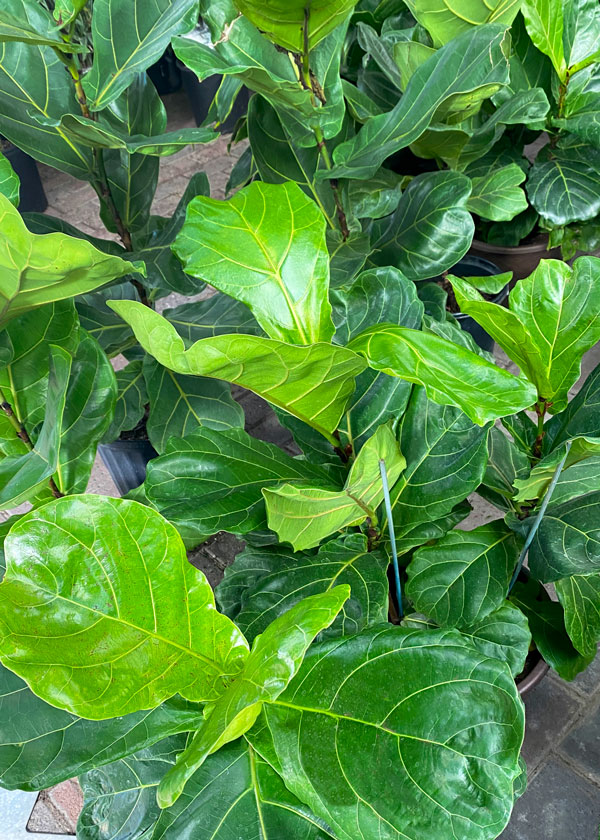
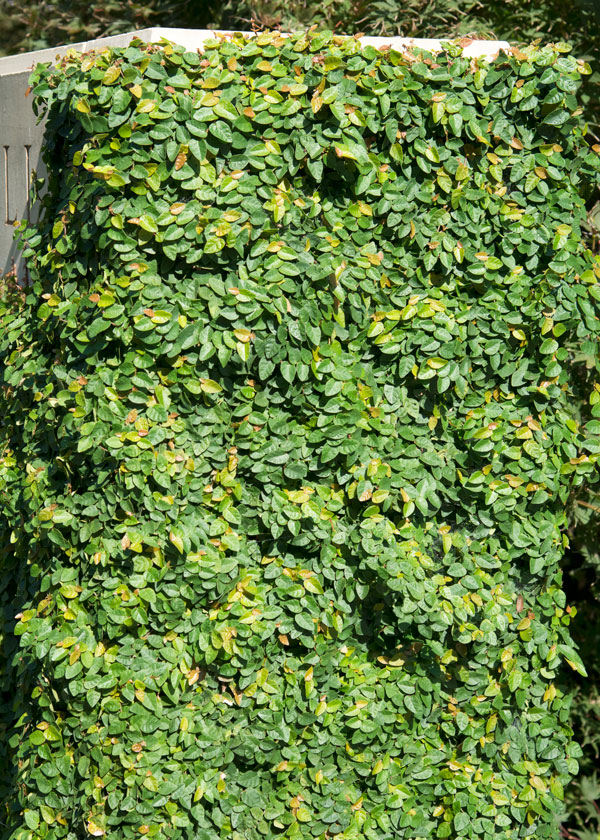
Relatives: Figs, mulberries, Banyan trees, weeping figs, fiddleleaf figs
Cold hardiness: Does not withstand freezing temperatures.
Leaves: Evergreen, very large to 10-15 in. long and 4-6 in. wide.
Mature size of plant outdoors: 20-30 ft. tall, 25-35 ft. wide.
Size as houseplant: Must have ample space near a very bright window. Rotate weekly so plant will not become one-sided. Prune annually to keep plant from growing beyond tops of windows. Expect to propagate new plants and start over every few years as old plants outgrow their pots and rooms. Cannot be planted outdoors due to winter temperatures.
How propagated: Air layering is most dependable way for home gardeners. Cuttings for commercial growers.
Problems: Scale insects. Insufficient light causes lower leaves to drop and new growth to be small, lanky and misshapen.