
Big time for broccoli
I’ve been gardening in Texas for longer than I care to admit. But my knees tell the story for me, so it’s great when I run into a crop that’s easy, tasty, and nutritious all in the same serving.
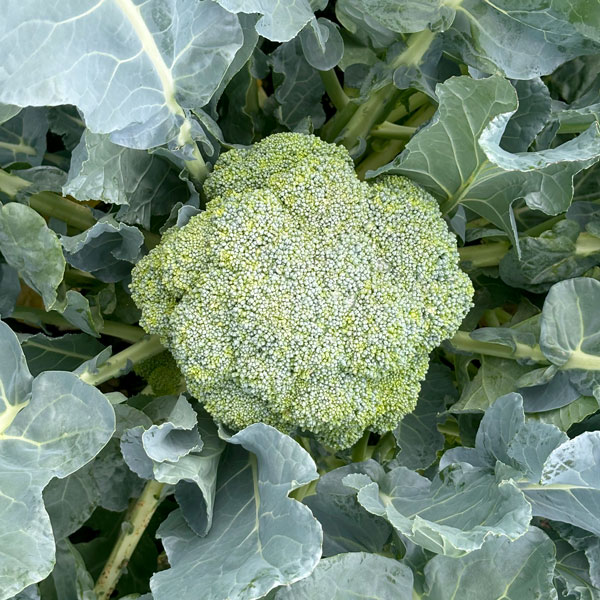
I present to you broccoli. Time was, back when I was a kid, that our moms almost never served broccoli at the table. You never saw it in restaurants, and it wasn’t common in home vegetable gardens. That was 1950, and the stats that I found say we consumed about 1 pound per person annually.
By 1975 that consumption had grown to an average of less than 3 pounds per person, and by 2000 it had jumped to 6 pounds per person per year. That’s where we are today, although it did peak at 7.5 pounds per person back 10 years ago.
We’ve gotten much smarter. We know it’s a very healthy vegetable. We know it tastes good, and we know it’s quite easily grown. What more could you ask.
Your steps to success…
You’ve grown other plants well. There’s nothing much different to growing broccoli, but let’s jot down the notes.
• It needs full sun, or at the most, 2 or 3 hours of afternoon shade with full sun the rest of the day.
• Plant it early. Like the other Cole crops, broccoli needs to mature before it turns hot. Plant it one month before the average date of your last killing freeze for your spring garden. For the big band of Central and North Central Texas, that means mid-February.
• Stick with the best varieties. Things have come a long way even in my career. Green Comet used to be the standard of excellence, but newer types such as Green Magic and Gypsy have proven to be superior for Texans’ home gardens.
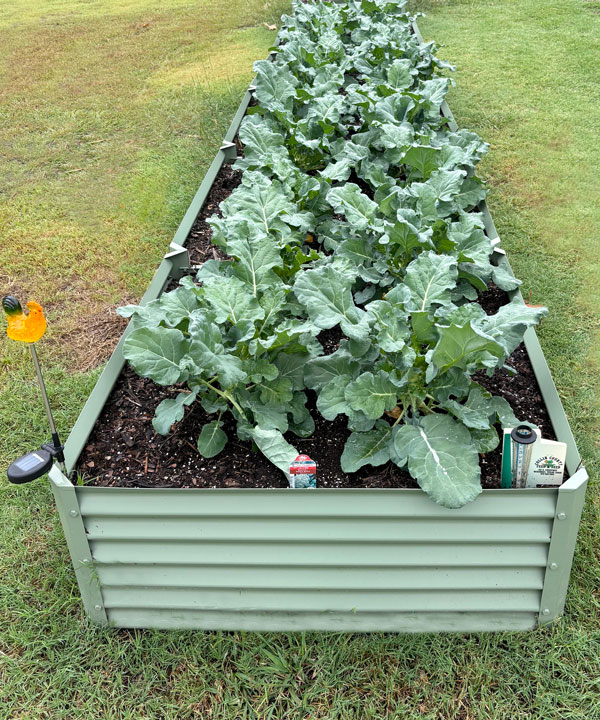
• Plant in well-prepared garden soil in raised planting beds. They’re invaluable to gardening success. Incorporate 4-6 in. of a variety of sources of organic matter (compost, rotted manure, finely ground pine bark mulch, sphagnum peat moss, etc.) and rototill 10-15 in. into the native soil. If you’re amending a heavy clay soil, include 1 in. of expanded soil with the organic matter.
As you rework the soil between successive crops re-till with additional organic matter. The expanded shale will probably be fine for 5 or 6 years.
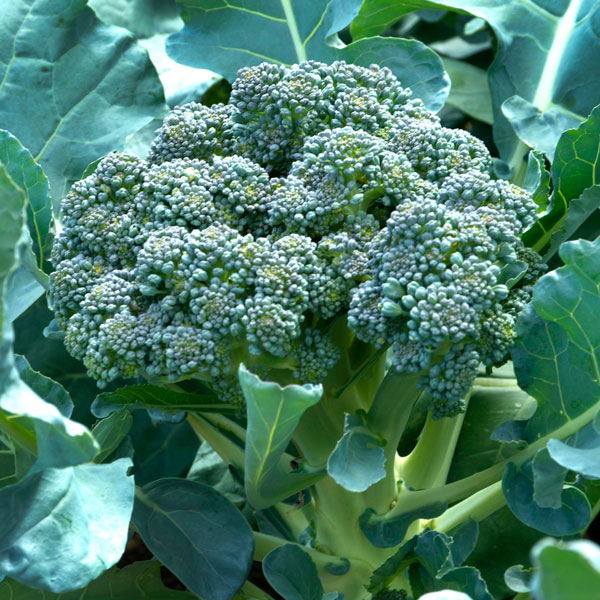
• Although you can grow broccoli from seeds it’s safest to buy vigorous transplants each spring. Set them out in rows 30 to 36 in. apart, with the plants spaced 18 to 24 in. apart in the rows. The plants will surprise you with their vigor and quick growth before they mature in just a couple of months.
• Cabbage loopers will be your chief worry. They’re the larval stage of a small white butterfly. The green caterpillars will riddle the broccoli leaves with holes in a matter of days, seriously reducing the plants’ vigor and ability to produce. When you see the small white butterflies, watch immediately for the green caterpillars. The control is the organic insecticide Bacillus thuringiensis. Apply it as soon as you see the caterpillars feeding. In fact, you might even apply it once you see the white butterflies to catch the earliest developing pests.
• Heads will start to develop after 55 to 60 days. Harvest while the small buds are still closed – before any of the tiny florets has opened. It’s better to harvest a few days too early than one day too late. Use a sharp knife to cut each head cleanly.
• Leave the plants in place. Most varieties will follow up with at least one more round of smaller heads from the axils of the leaves. Those, too, can be harvested a couple of weeks later for successive use in recipes or freezing.
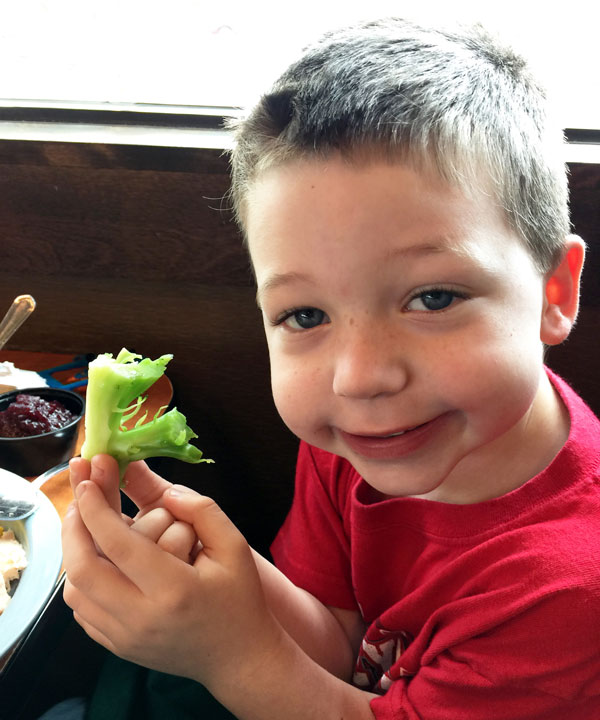
Note: Broccoli is also an outstanding fall garden vegetable. Planted in late August into early September it will produce in fall’s cooler weather. As easy as it is in the spring garden, it’s easy simpler in the fall.