
Timing critical with pre-emergents
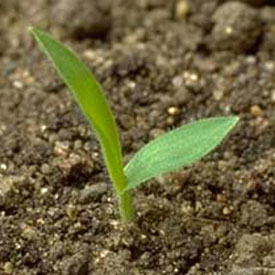
A friend and I were talking last Sunday. That was February 15. That date will become important. Our area had just enjoyed a much-needed 3-inch rain, about half of which came in 90 minutes. Runoff? Yes, some.
One of his neighbors (semi-rural lot) had just applied 9 bags of pre-emergent weedkiller the day before, so that would be February 14. “Do you suppose it all washed away?” was what the fellow was asking.
So, here’s what I can offer as advice if you plan to use pre-emergent granules Dimension, Halts, or Balan this year to prevent germination of crabgrass, grassburs, and other grassy annual weeds.
1. Time your application correctly. First application should be made two weeks prior to the average date of the last killing freeze in your area.
2. Plan on a second booster-shot application 90 days later because those materials are effective for about 100 days. You want to have overlap for a full growing season of control.
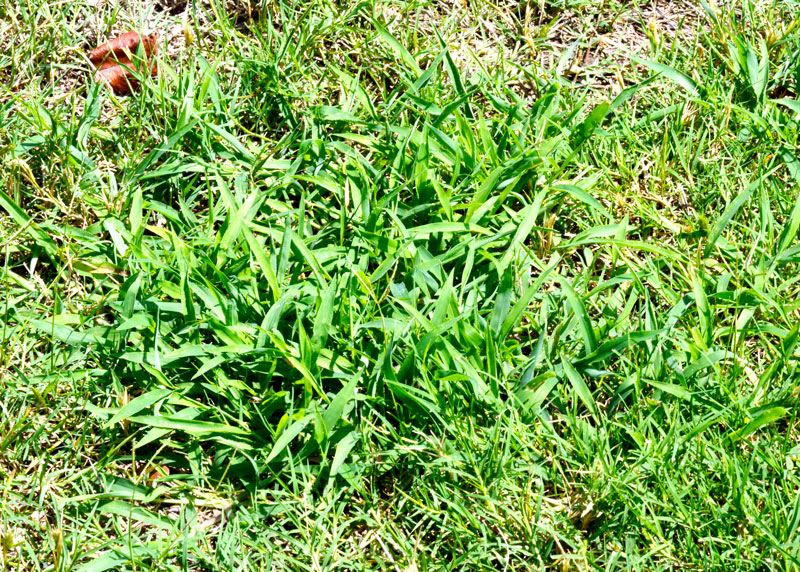
Where my friend and I live (and therefore, his friend), our average date of our last killing freeze is March 22, so application date for the first round of pre-emergent is March 8-15 or so. (It’s not a precise science, but it’s surely not as early as mid-February in North Central Texas.) Nothing is to be gained by applying pre-emergents before the soil warms up enough for the warm-weather weeds to germinate and start growing.
For a February 15 date to be appropriate, the average date of the last killing freeze would have to be March 1. That’s much farther south – South Texas. (Tip o’ the cap to our readers in Houston, College Station, San Antonio, and so forth.)
If you rush the season and make your first application too early, you may even see some late-season germination when the second application runs out of steam in late summer. Hopefully your fall application for winter weeds will cover that issue for you.
Finally, before you go out to oil up the spreader and apply the granules, check the weather forecast. Ideally, you’ll apply the granules to moist soil, then follow the application up with a moderate watering to soak them into the soil’s surface. That should get them bound in place. You don’t want a downpour the next day to wash them into the ditches.
Those are my guidelines to this spring’s applications of pre-emergent granules. I hope they clear up some confusions and help you get the best results for your efforts.
Note 1: You can save this information for future years. As long as we have crabgrass and grassburs, and until a better solution comes along, it will all remain pertinent.
Note 2: A third application of these same pre-emergentgs will be needed around Labor Day to prevent the cool-season weeds. They are the ones you can see in your lawn now. They germinated in the fall, have grown from fall until now, and soon will become unsightly as warmer weather arrives in March. Chief among them: rescuegrass, ryegrass, and annual bluegrass.