
Abelias abound
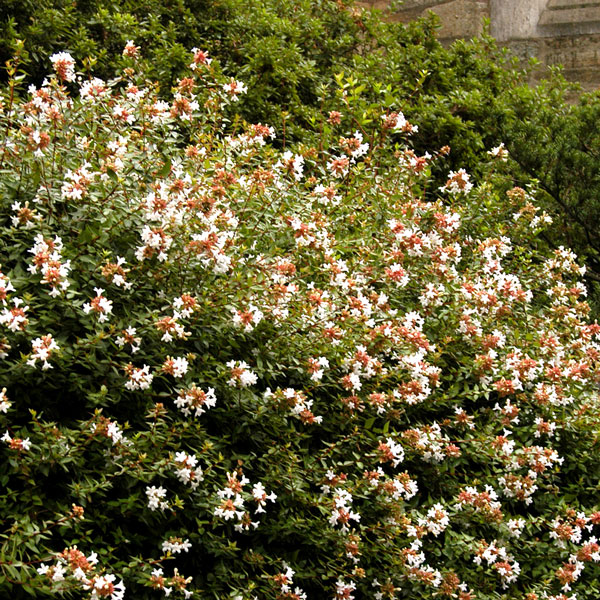
Glossy abelia (Abelia x grandiflora) has been one of our favorite landscape shrubs for decades. It forms a dense, rounded, multi-stemmed shrub that grows to 6 to 10 ft. tall and 6 to 8 ft. wide.
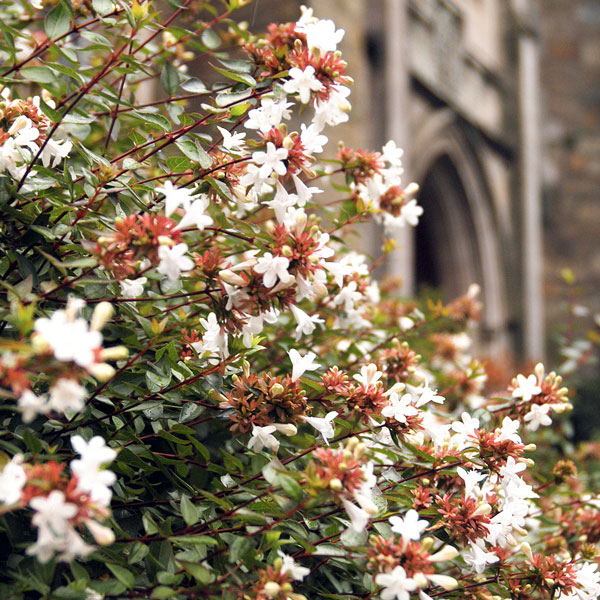
Leaves of the species are 1-in. long, oval in shape and glossy dark green, sometimes turning purplish bronze in cold winter weather. In most of Texas they are evergreen, but the plants may be semi-evergreen in the north portions of its Hardiness Zone. Smaller cultivars produce smaller leaves, therefore a finer texture in their landscapes.
The flowers are usually white, sometimes tinged in pink. They are ¾- to 1-in. long and they are found clustered toward the ends of the new twigs. After the petals fall, clusters of pinkish-tan sepals remain on the plant for the rest of the season. They add even more color, texture, and interest to their surroundings.
Abelias can be pruned at any time, but it’s best not to try to prune them formally into globes or cubes. Allow them to grow freeform except to remove long, strong shoots when they leave the plants looking untidy. Use hand pruners and loppers, not power shears.
What you’ll want to know…
• Common name: Glossy abelia
• Scientific name: Abelia x grandiflora (a hybrid between two Chinese species)
• Plant Family: Caprifoliaceae (the Honeysuckle Family)
• Hardiness Zone: USDA Zones 6-9 (includes all of Texas).
• Sun/Shade: Sun or part sun.
• Soil preference: Highly organic, consistently moist, slightly acidic or neutral. Iron deficiency can be a problem in highly alkaline soils.
• Good pollinator plant? Yes. Attracts bees, butterflies, and hummingbirds.
Some of the cultivars…
Besides the original glossy abelia, here are selections and hybrids that are available in Texas nurseries.
Dwarf abelia: All the same benefits but in a small format. Leaves are half-sized, as are the pure white flowers. It grows to 3 ft. tall and wide.
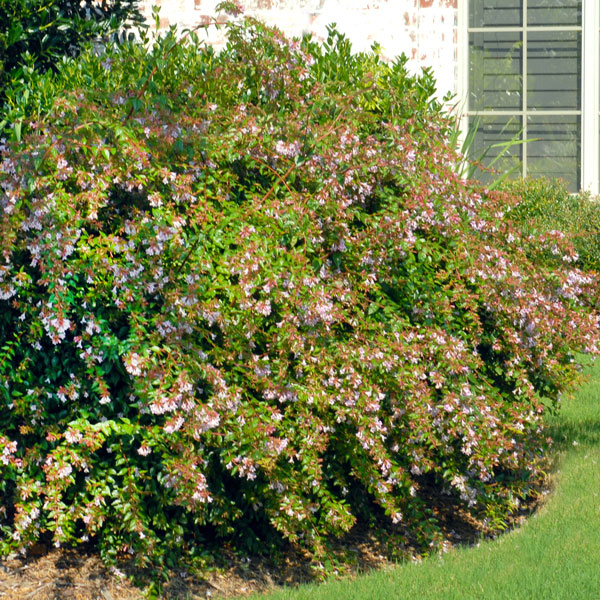
Edward Goucher: Grows to 4 to 5-ft. tall and wide. It produces lavender-pink blooms abundantly. It is an old favorite.
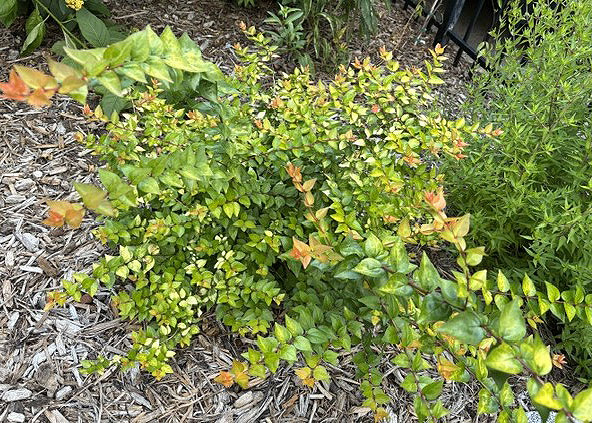
Canyon Creek: Grows to 3 to 5-ft. tall and 5 ft. wide. Foliage emerges coppery yellow, then matures to green. Fall color is bronze with rose highlights. Flowers are pinkish white.
Confetti: Grows 2 ft. tall. Leaves are edged in white during summer. In cold weather the white margins take on a pinkish cast.
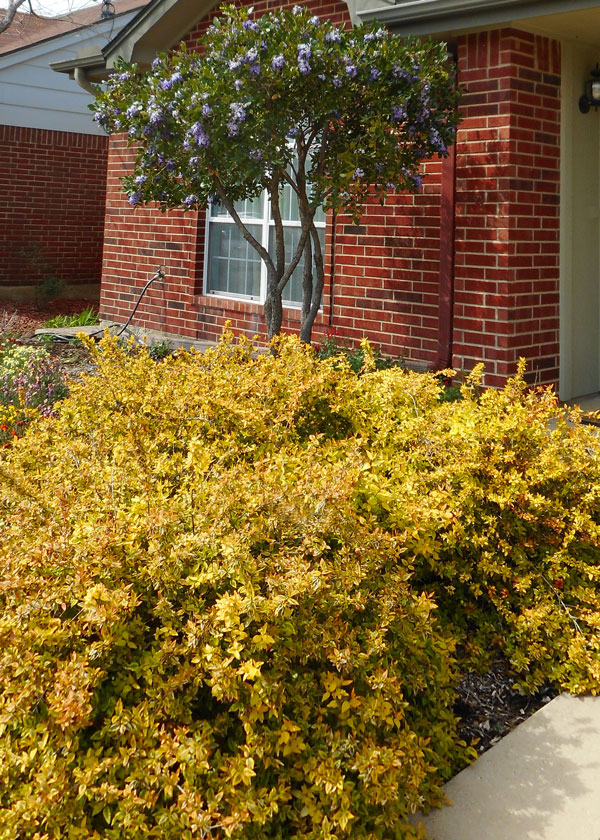

Photos of Kaleidoscope abelias by Steve Huddleston.
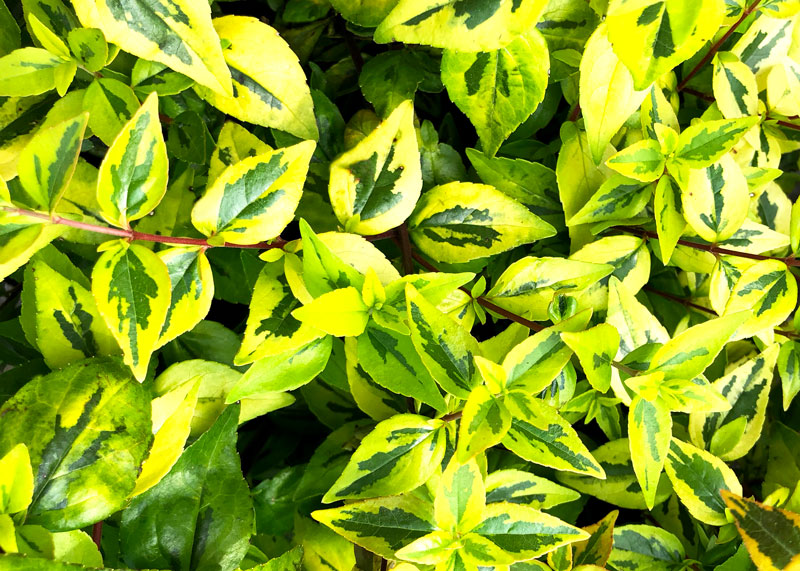
Kaleidoscope: This one has golden yellow variegation with medium green leaves with brilliant red stems (hence the name “Kaleidoscope”). It grows to 3 to 4 ft. tall and wide. In cold weather the leaves change to copper or orange shades.
Radiance: Grows 2 to 3 ft. tall and 4 ft. wide. It has green leaves edged in ivory.
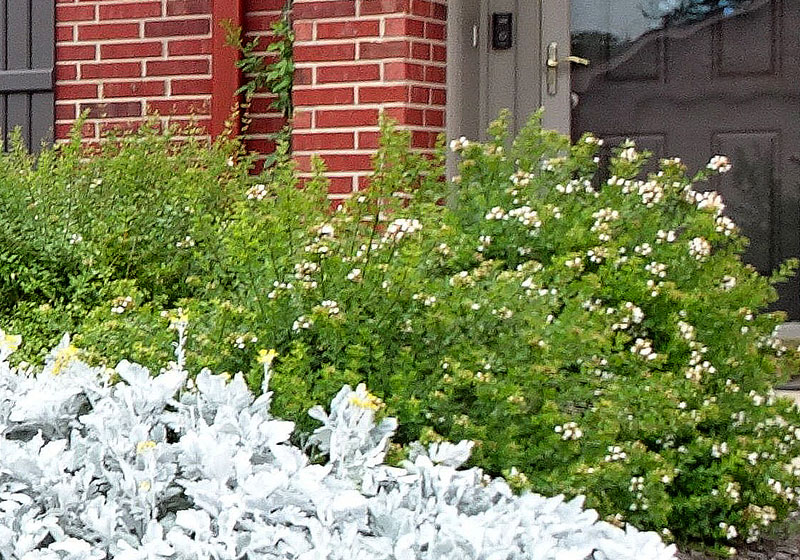
Rose Creek: It forms a dense mound 3 ft. tall and wide. Its green leaves turn purple in winter.
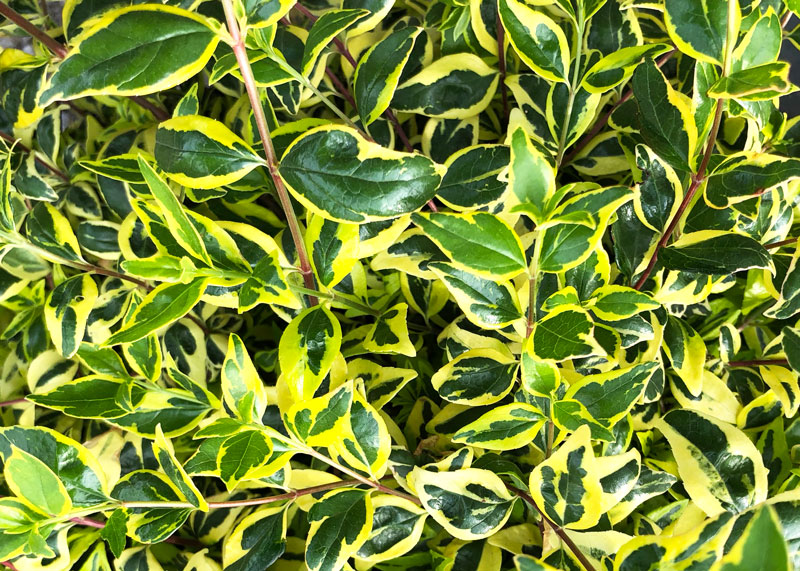
Twist of Lime: Slightly larger, it grows to 4 to 5 ft. tall and wide. Its new leaves have bright yellow margins and green centers. As the leaves mature, the margins turn ivory while the centers remain green.