
Golden raintree is a joy

If you’re looking for a smallish shade tree for a zero-lot-line urban garden, this might be a hero. Or maybe you want a second or third tree in a larger urban estate.
However you use it, golden raintree is a fine choice. The biggest problem will be in finding it. It’s just never hit the big time in terms of availability in Texas nurseries. But it is, nonetheless, available to diligent plant hunters, and it’s well worth the search.
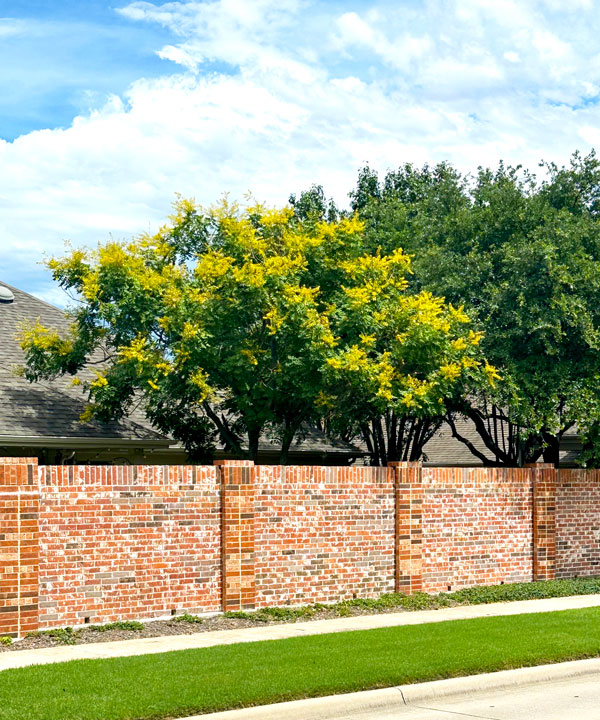
What you’ll want to know…
• Common name: Golden raintree
• Scientific name: Koelreuteria paniculata
• Plant Family: Sapindaceae
• Native home: Northern China, Korea, Japan
• Mature Size: 30-40 ft. tall and wide
• Growth Habit: Rounded
• Hardiness Zones: 5-9 (all of Texas)
• Evergreen or Deciduous: Deciduous
• Fall Color: Yellow, sometimes reds and oranges
• Flowers and Flowering Time: Yellow panicles 12-15 in. long in late spring, early summer. Gets its name because falling florets resemble golden raindrops.
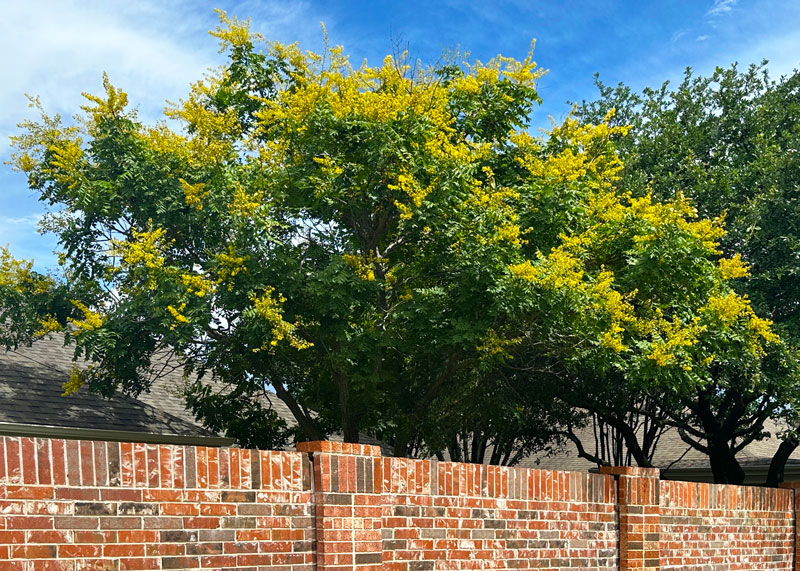
–• Fruit: Papery brown seed capsules that resemble Chinese lanterns.
–• Problems: Somewhat susceptible to cotton root rot. May host box elder bugs.
–• Means of propagation: Easily grown from seed.
Note: A closely related species, K. bipinnata, (Southern golden raintree, Chinese flame tree) is less winter hardy in Texas and blooms late summer and fall. Its seed capsules are more colorful than those of the northern raintrees.
