
Lindheimer’s Muhly
I grew up around TAMU botanists. My dad was a PhD botanist working in Range Management. My uncle was a PhD botanist working in plant taxonomy. That’s the language little Neil grew up hearing.
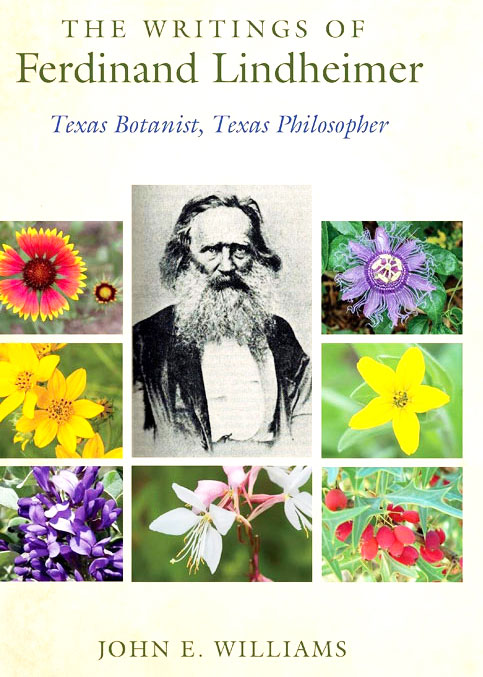
Ferdinand Lindheimer was born in Frankfurt, Germany, in 1801. He was exceptionally well educated, but not in botany – more in philosophy and literature. He was involved in a failed political uprising in 1833 and arrived in Illinois in 1834. Subsequently he made his way by boat down to New Orleans.
On his way to Texas, he and several others were shuttled off to a German colony near Veracruz, Mexico, where he lived for more than a year. During that time, he became interested in the plants of the area, and so his interest in botany began to, forgive me, “blossom.”
Lindheimer left Mexico in 1835, but he shipwrecked near Mobile, Alabama. Still trying to get to Texas, he arrived at the San Jacinto battlefield the day after the final battle of the Texas Revolution. (Poor Lindheimer might have done better with a different travel agent it would seem.)
By 1844 he had settled in a German colony later to be known as New Braunfels, and that’s where he lived for the rest of his life.
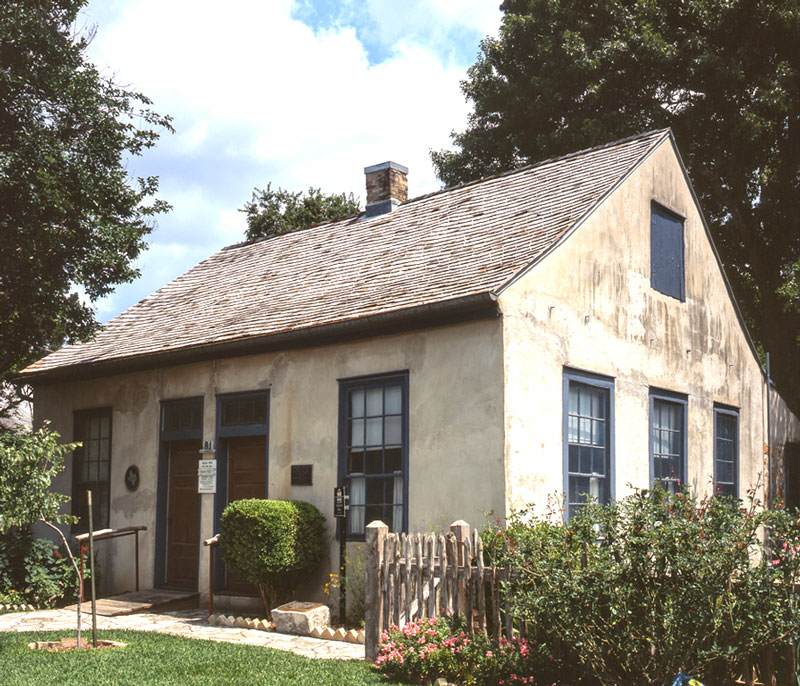
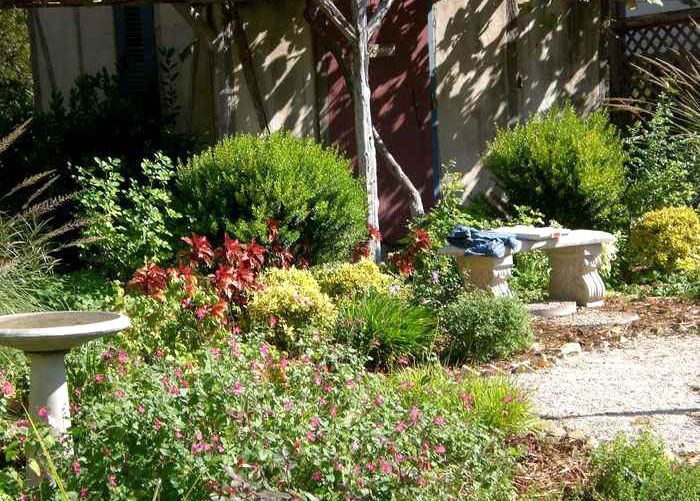
From his home and gardens in New Braunfels, Lindheimer combed the hills and prairies of Texas, notably the Texas Hill Country. In 13 years he collected specimens of more than 1,500 species from South Texas. He shared them with botanists across the country and world-wide. It was no wonder that he became known as “the Father of Texas Botany.”
I heard that story from my dad and my uncle many times as they identified native plants for me and with me. Dozens of species and one genus were named for Ferdinand Lindheimer – an honor often saved for the person who first found and collected a species.
If you find yourself in New Braunfels, for any of the many great things they have to do, a stop at 491 Comal Street to the home and gardens of Ferdinand Lindheimer might be worth including on your itinerary. The Comal County Master Gardeners plant and maintain the gardens, and they feature many of the plants bearing the Lindheimer name. Here is a link to their website.
Our featured plant…
Note: I know Steve Huddleston wrote about this plant a year or so ago, but I’m taking it from a very different perspective. Plus, I think so highly of it that I just wanted to give it another big shout-out.
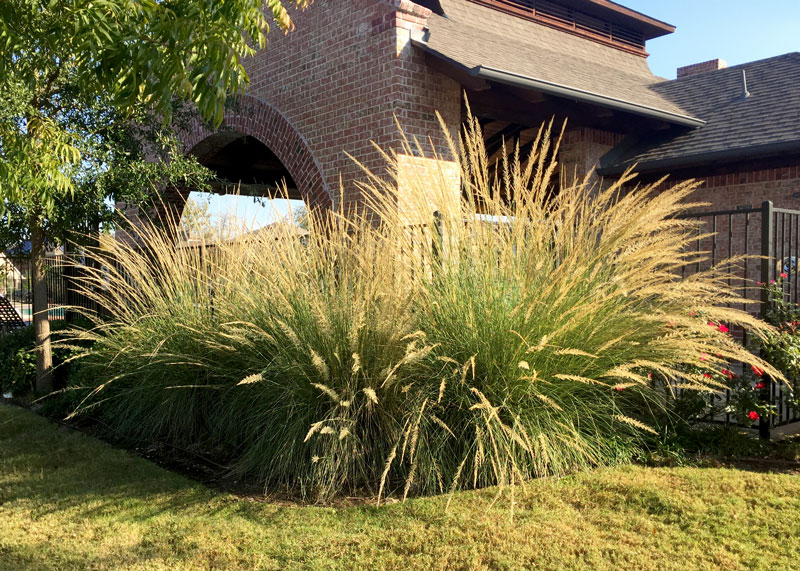
Meet our plant for this week. It’s my all-time favorite ornamental grass. I love its stature and its rugged behavior. So many of the other grasses we consider to be ornamentals either die out after a couple of years, or they reseed themselves abundantly and become awful pests. This one is mannerly and it’s graceful.
What you should know…
Scientific name: Muhlenbergia lindheimeri
Common name: Lindheimer’s muhly
Native range: Edwards Plateau and adjacent limestone regions of Central and South Central Texas, extending south into northern Mexico. Well adapted to landscapes in much of the rest of the state, however.
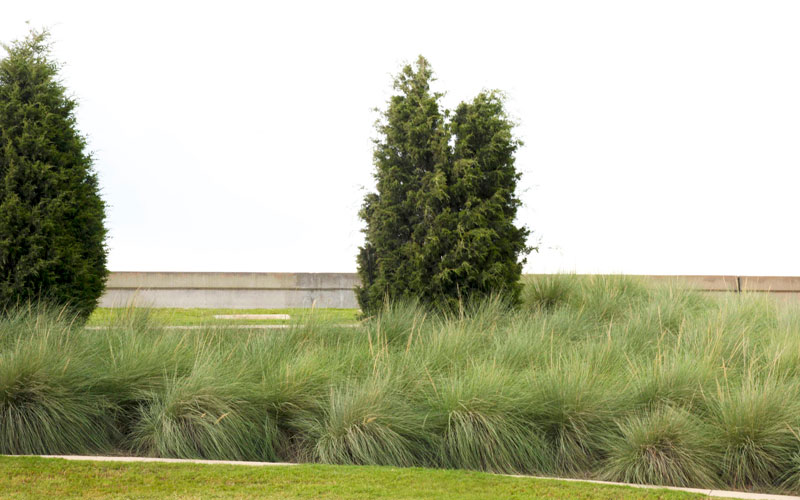
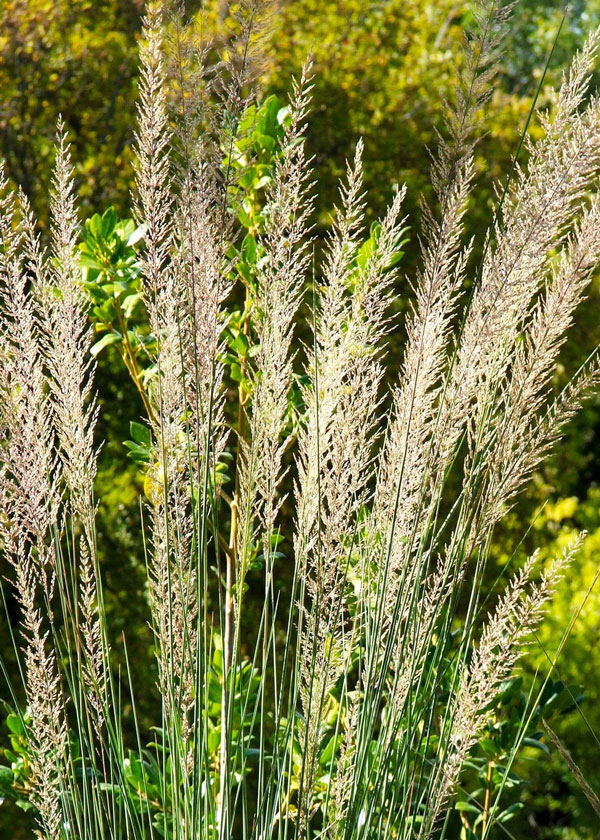
Height and width: 3 to 4 ft. tall and wide when in bloom and seed.
Annual/Perennial: Strongly perennial
Evergreen/Deciduous: Evergreen, although old leaves may brown with exposure to extreme cold in northern areas of the state. Normally, little or no pruning is required to tidy plants up after winter.
Sun/Shade: Full sun.
Soil Needs: Any well-draining soil. Handles rocky soils well, although they tend to dry out quickly so be prepared to water more often.
Water Requirements: Tolerant of drought, but for best looks and most solid clumping, keep plants watered regularly.
How propagated: By dividing established clumps into smaller individual clumps and planting them on 16- to 20-inch centers.
Special care: No pests. No trimming is required on a regular basis. You may have a bit of tidying to do after extremely cold weather when planting it in North Texas.
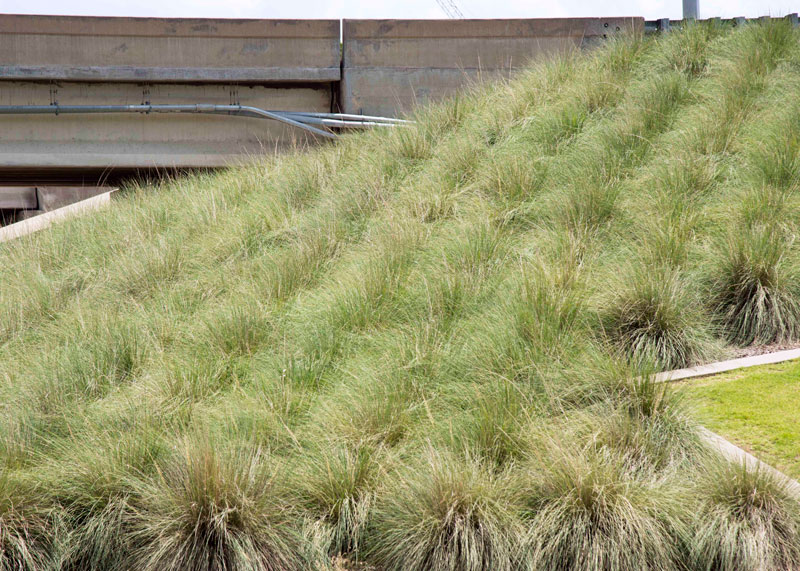
Landscape uses: Bank plantings, specimen clumps for drama, large patio pots for drama.