
Transforming sea treasures into garden art – by Diane Morey Sitton
Ah! The sand, the surf, the sunsets, not to mention seashells, sea glass and other shoreline treasures. Beachcombing has long been a ritual of summer vacations, and there is no better way to preserve those special “finds” and the stories that go with them than by displaying them in the garden.
Below is a list of common – and not so common – beach finds along with ideas on how to showcase them around pools, on patios, in pots, near fountains, and other eye-catching settings.
Seashells. Texas beaches are known for lightning whelk (the official State Shell of Texas), Atlantic cockle, lettered olive, common scallops and sand dollars, among others. Use the ideas below to show them off.
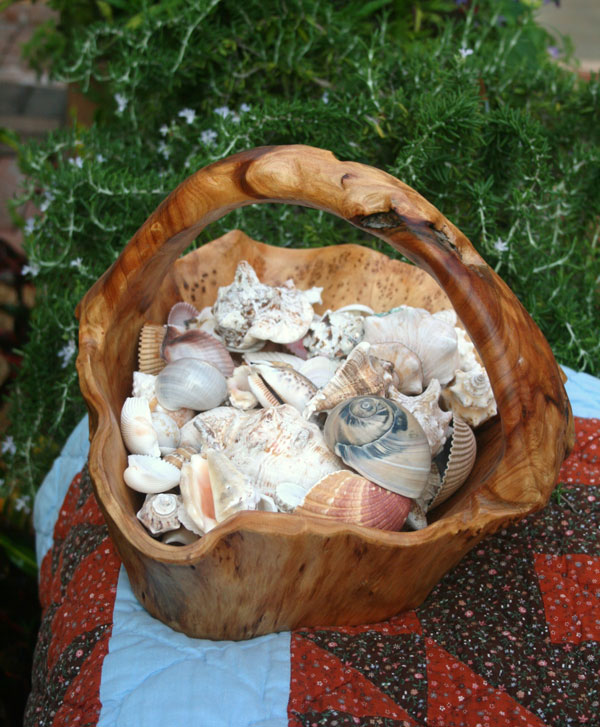
• Display them in a basket or bowl-shaped garden pot.
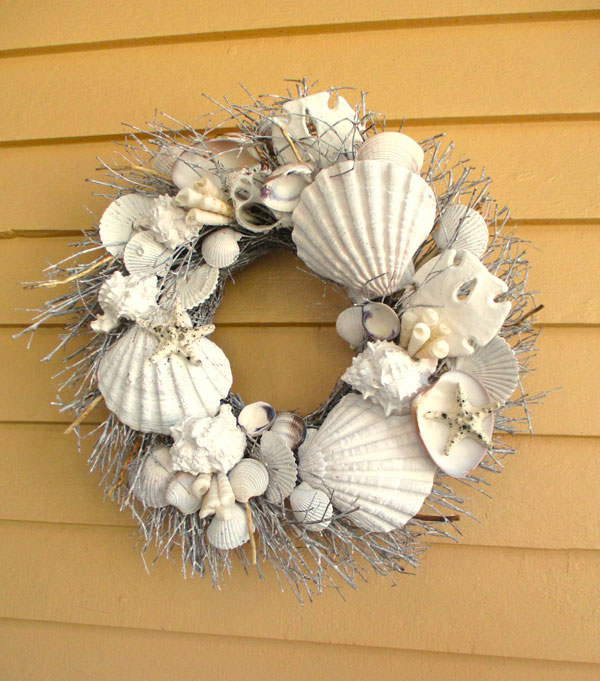
• Attach them to a wreath.
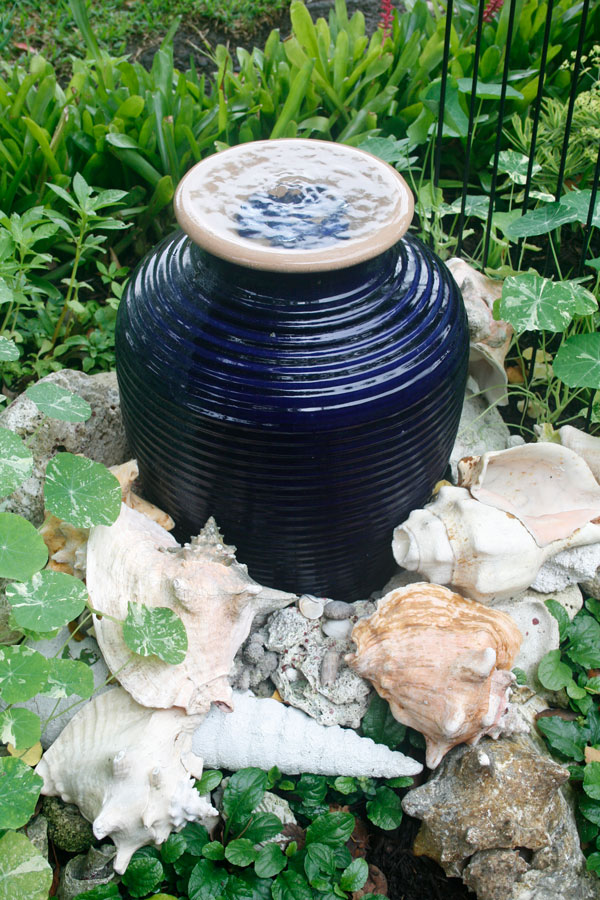
• Scatter them around a fountain.
• Glue them to a garden mailbox or clay pot.
• Group them with other collectibles as a centerpiece for a patio table.
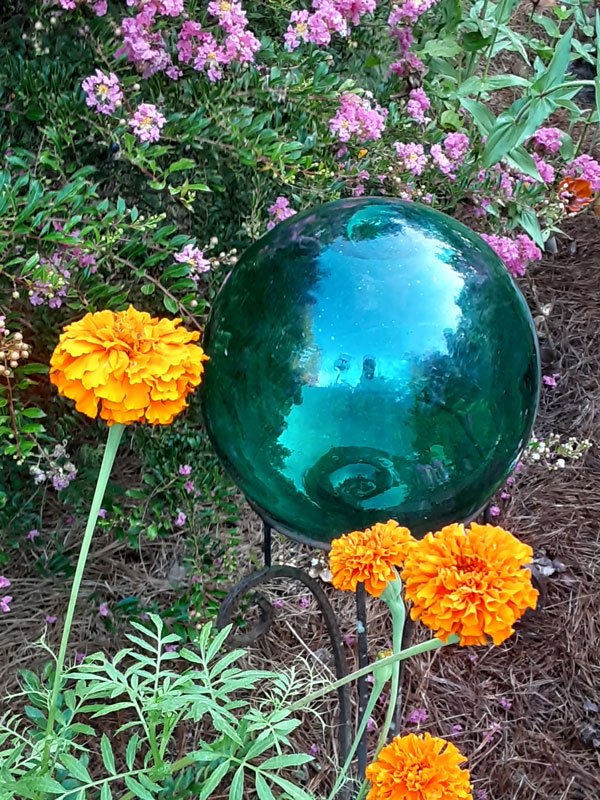
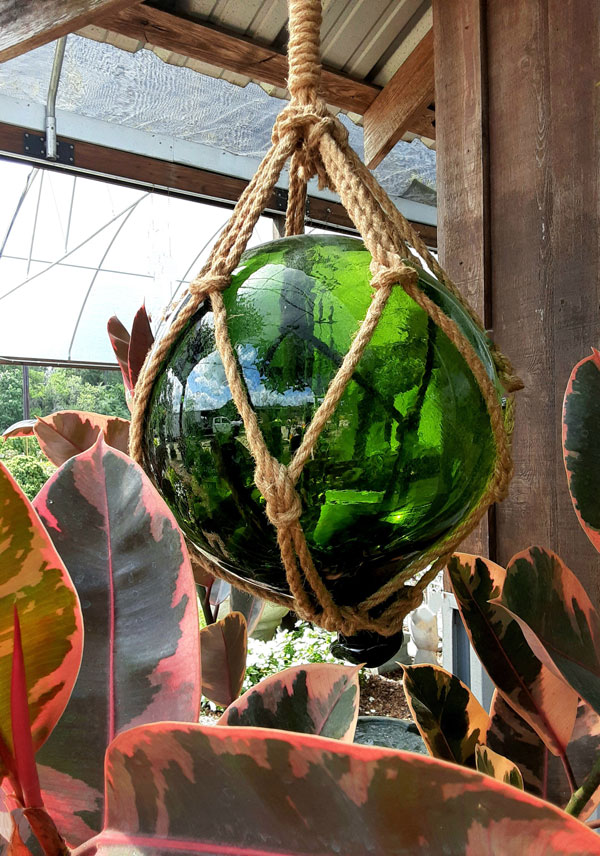
Fishing floats. These hollow, airtight nautical antiques were invented in Norway in 1840 to keep fishing nets afloat. They became commonplace after Japan began manufacturing them in 1910 for their vast deep sea fishing fleets. Although plastic and Styrofoam floating devices eventually replaced glass floats, occasionally beachcombers still find the far-travelled keepsakes.
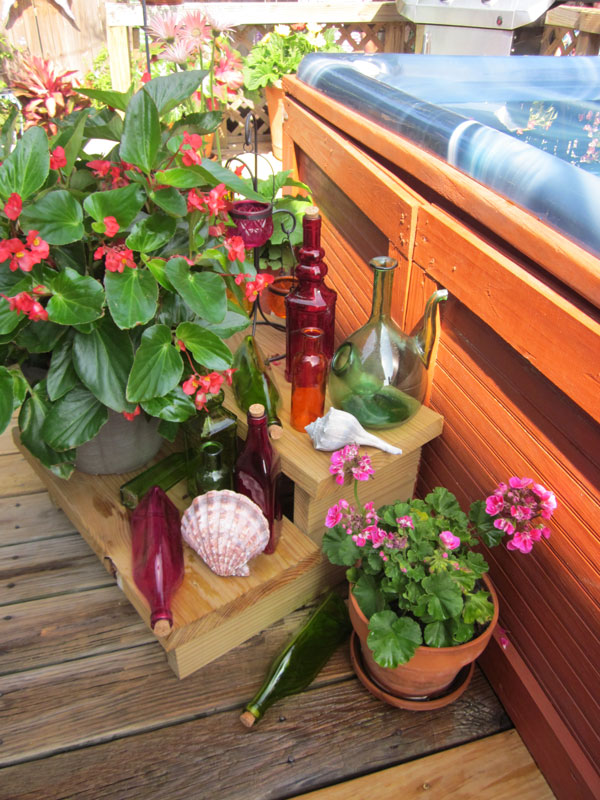
• Display them on pedestals.
• Suspend them from porch ceilings using nautical rope or macramé hangers.
• Position them atop a bed of thyme or other low-growing plant in a garden pot.
• Scatter them as accent pieces in garden beds.
• Drill a hole through the glass and insert lights.
Driftwood. Sun-bleached and worn smooth by constant currents, pieces large and small add sculptural interest to landscapes. Make the most of driftwood’s unique qualities with the following projects.
• Attach driftwood to a garden fence as a freeform sculpture.
• Use driftwood’s natural crevices as containers for small succulents and other drought-tolerant plants.
• Make organic borders by positioning driftwood along paths and at the edge of garden beds.
• Create tabletop “trees” by drilling holes through the center (end to end) of short pieces of driftwood. Stack them atop one another (longest pieces on the bottom, shortest pieces on the top) on a metal rod for a tree-like effect.
• Fashion a large mobile by using marine rope or other cord to attach seashells to a large piece of driftwood. Make a small mobile by wrapping sea glass in wire and hanging it from a small piece of driftwood.
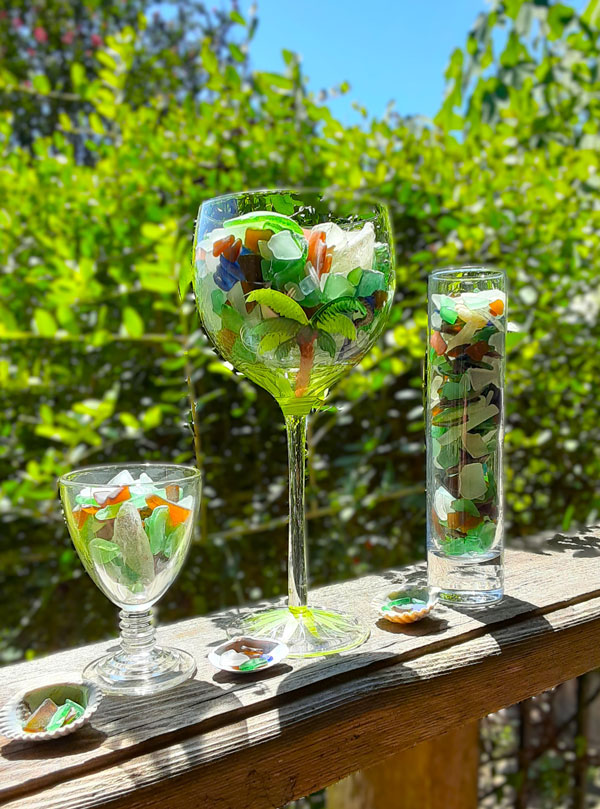
Sea glass. It takes years of tumbling waves etching the surface and grinding down the sharp edges of glass fragments to transform broken bottles, shattered glassware, and even bits and pieces of glass from shipwrecks into sea glass. If you are lucky enough to find the tidal gems, showcase them using the ideas below.
• Design a centerpiece for a patio table by filling a bowl or a clam shell with sea glass.
• Showcase the frosty gems in a mason jar, vintage bottle, vase or other clear container. Add water to make the colors pop.
• Piece together a small garden-inspired mosaic.
• Use clear glue to attach sea glass to a glass block. Insert lights.