
Gregg’s mistflower is an unsung hero
I’ve seen this plant blooming natively in rocky settings in the western half of our state in the summer. Fact is, its native range extends from Southwest Texas into northern Mexico, also New Mexico and Arizona. This baby is made for the heat.
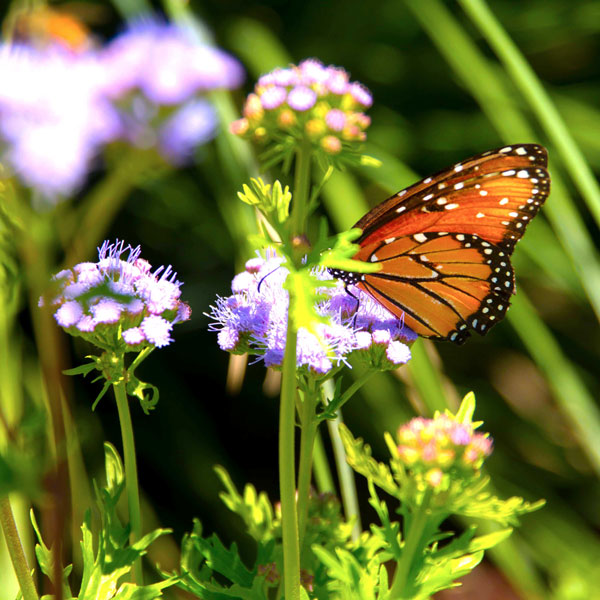
Gregg’s mistflower (Conoclinium greggii, formerly Eupatorium greggii) a low, spreading perennial to 18 to 24 in. tall. It spreads by shallow underground rhizomes, and it’s easily dug and divided in late fall. Dig small clumps from around the edges of the mother clump. Be certain they have a good supply of rhizomes intact and replant and water them immediately. New plants can also be started from cuttings taken in summer or early fall, and seeds collected in fall are another means of starting new plants.
It grows best in loose, highly organic soils that are perfectly drained. It blooms best in full or nearly full sun, and it benefits from light applications of a high-nitrogen fertilizer in early spring and again in early fall. Don’t overdo it, though. You’re looking for flowers, not foliage. And these plants grow vigorously. Give them plenty of space from the start and keep harvesting those offsets to keep the mother clumps from growing far and wide.
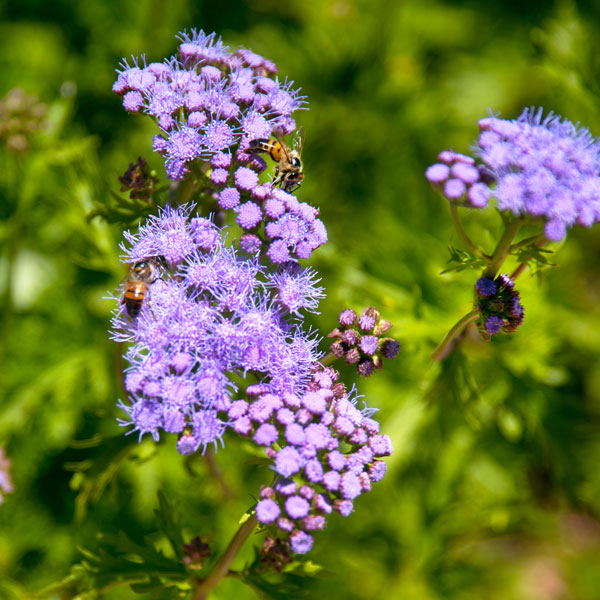
Gregg’s mistflowers begin blooming in the spring in many parts of Texas. My photo from Alpine was taken May 4. I’ve also walked past a big planting of it in the parking lot at the Fort Worth Botanic Garden to give talks in mid-fall, noting that the plants were smothered in butterflies and bees at that time as well.
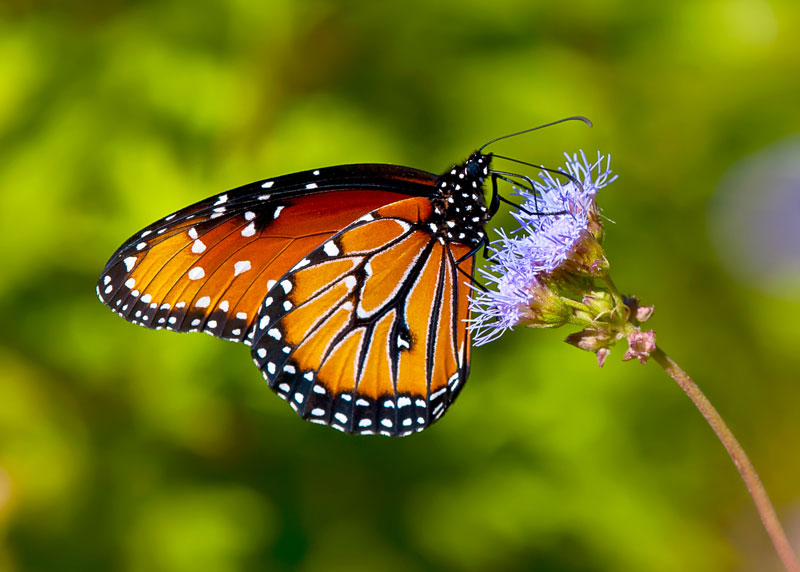
If you’re looking for a new color for your floral gardens in fall, here’s one that will charm even the pickiest plant person. Give it a try.