
Late-season weeds
Most folks who subscribe to e-gardens aren’t fans of weeds in their lawns. Here are two things you can do this time of year to avoid those nightmares.
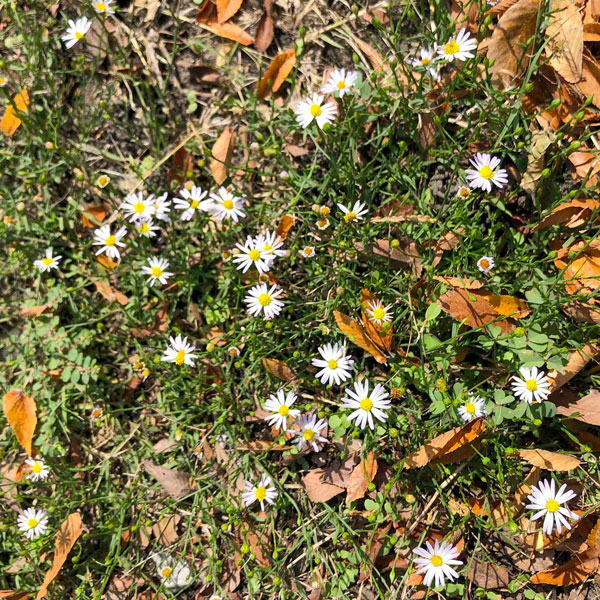
Roadside asters…
These weeds appear just when you figure weeds have given it up for the season. It’s been hot and dry, and your lawn is running out of steam for the year.
Those are exactly the conditions that favor this “weed of neglect.” That’s why you’ll usually find it growing out by the alley, toward the back of the yard where it’s most challenging to pull the hose, or out by the curb where you’re afraid to water for fear of wasting water down the street. The grass thins and the roadside aster gets its root hold.
For most of the growing season it establishes its deep roots and clumping, stemmy habit. Then, sometime in early fall it starts putting out scores of dime-sized, daisy-like blooms ranging from pale lavender or almost white sometimes with tinges of pink. They bloom close to the ground, and bees and butterflies love them.
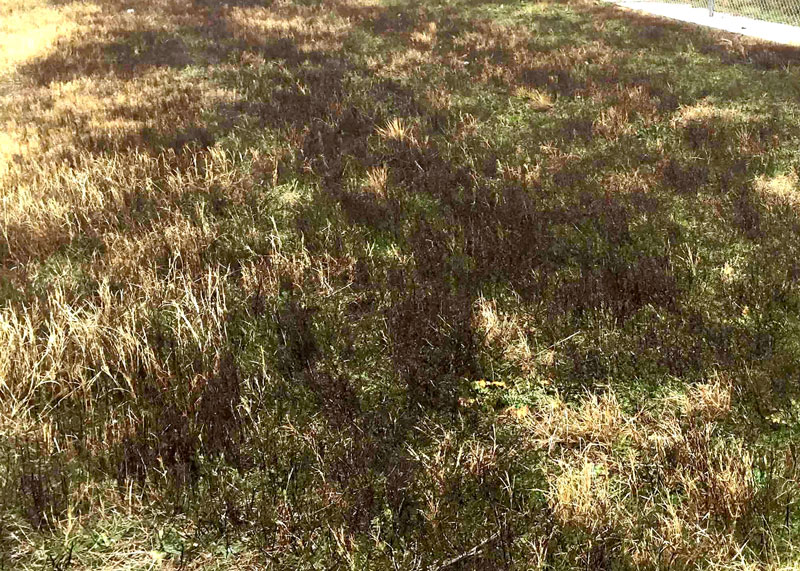
So, yes, I admit that they’re pollinator wildflowers, but in a lawn they’re obnoxious weeds. As soon as they quit blooming a couple of weeks later all the stems turn to brownish-black stubble that can trip you all winter. At that point they’re downright unsightly. And, for the folks who seek pollinators, there are millions of these plants in untended vacant lots, parks, golf courses, schoolyards and other public spaces. You really don’t want or need them in your lawn.
The easiest way to remove them quickly is to apply a broadleafed weedkiller spray containing 2,4-D while you can see the feathery clumps of foliage (before the plants come into bloom). Use a tank sprayer and medium pressure so you can direct your spray only to the clumps of the asters. One application should take care of the problem. Then next year, step up your feeding, watering and mowing in that area and your turfgrass will crowd this weed out.
Late winter, early spring grassy weeds…
There are three weeds that are grouped together here: rescuegrass, annual ryegrass, and annual bluegrass (Poa annua). We deal with all three in the same way, although I’ll have a special comment on the last one later.
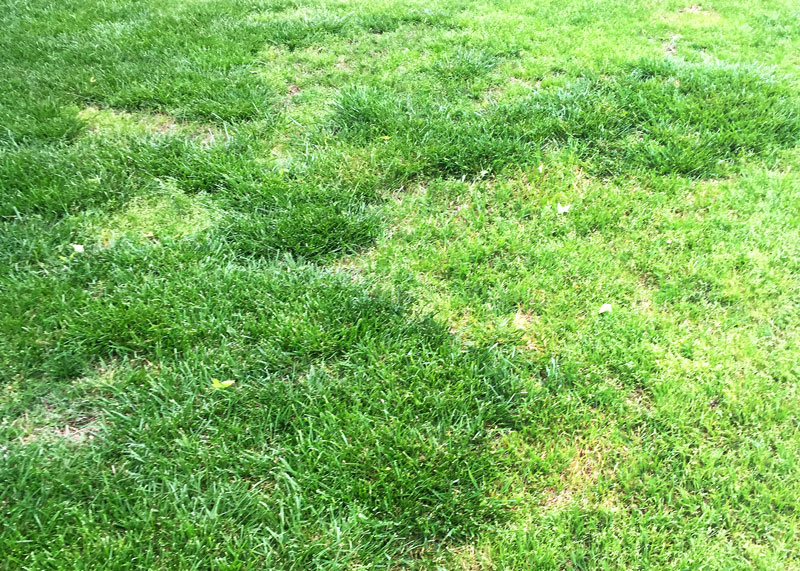
We apply a special category of weedkillers (herbicides) called “pre-emergents” to prevent germination of the seeds of these annual weeds. The two that are most common in the nursery trade now are Dimension and Halts, and timing is critical in their use.
We apply these same two products in very early spring to prevent germination of warm-season weeds crabgrass and grassburs. Here in Texas, because of our lengthy growing season, we make a second “booster-shot” application 90 days later. The first application should be made 2 weeks prior to the average date for the last killing freeze of the winter. You can find that date for your county fairly easily online or in my book that’s offered here in e-gardens.
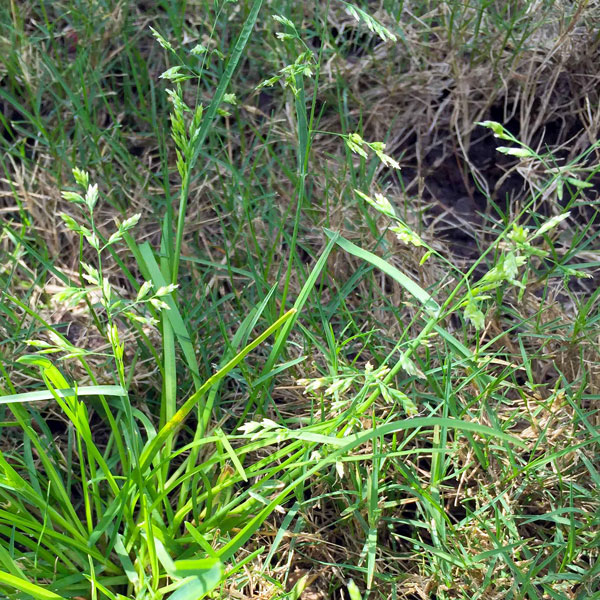
However, we’ve called this meeting today to discuss the third application of the year. It needs to be made in the first two weeks of September, and its function is to prevent germination of winter grasses. You can apply either Dimension or Halts, and the application needs to be made before temperatures fall into the low 60s with fall rains beginning.
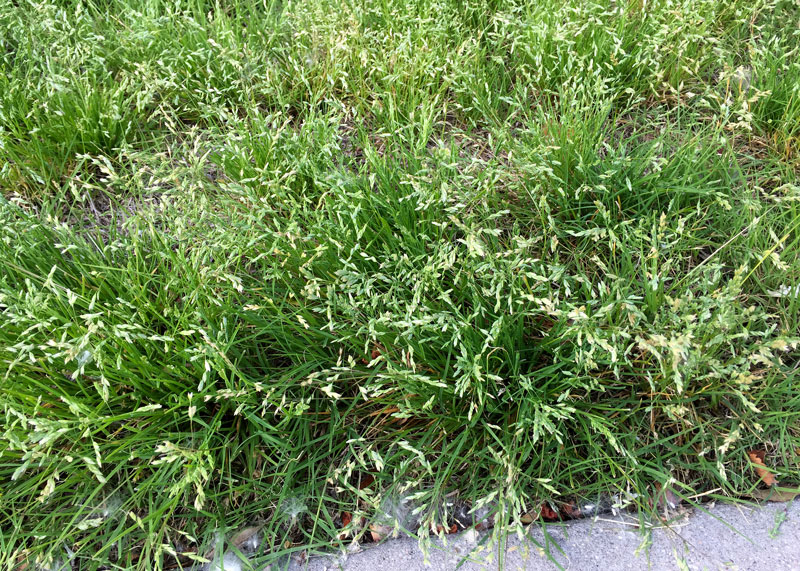
The comment I wanted to make is regarding Poa annua. Experiences of thousands of home gardeners, golf course professionals, and university research experts has been that annual bluegrass has been building up resistance to pre-emergent herbicides. They are no longer completely effective at preventing its germination. They will help, so I still do recommend that you apply one or the other, but know that if you have had annual bluegrass in prior springs, you’ll likely have some of it again next spring. Your best defense is a good offense. Take the best care possible of your permanent turf and hope for the best.
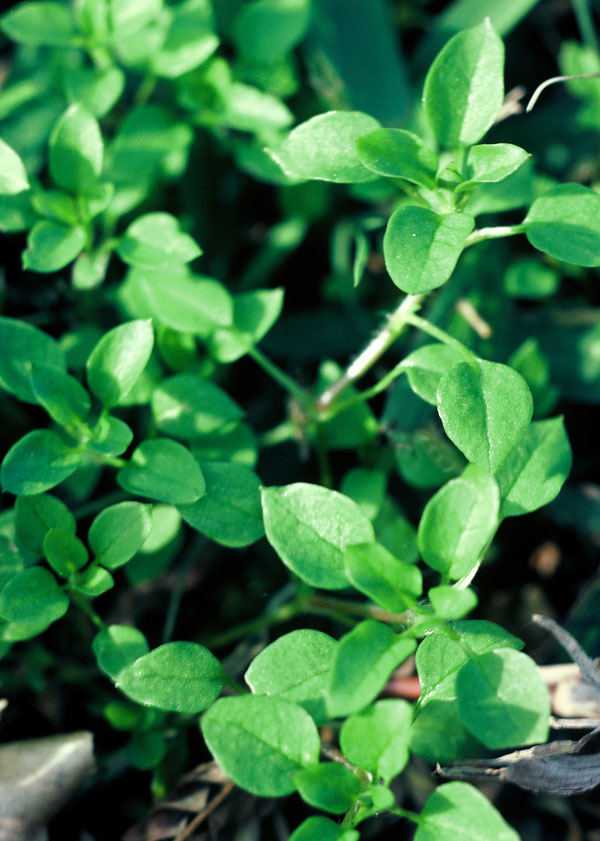
Finally, I haven’t addressed the cool-season broadleafed weeds like clover, dandelions, henbit, and chickweed. You can make a separate application of a pre-emergent product designed for them. It’s called Gallery and it is effective. However, it’s also rather pricey, so if they typically are widespread in your lawn, you might be better off waiting a few weeks until they germinate, then applying a broadleafed weedkiller containing 2,4-D to kill them while they’re still young.
Note: The reason I’m running this story a week or two early is because you may have trouble locating pre-emergents this time of year. Don’t be surprised if a store tells you, “We sell that in the spring for crabgrass.” In fact, the bag will probably say, “Crabgrass Preventer.” Not to worry. It’s the same product, and I have to tell you – I get 25 times more questions about these grasses mentioned in this story than about crabgrass. This is a real deal. Trust me.