
Spelling it out – garden style – by Diane Morey Sitton
“Don’t tell secrets in the garden. The potatoes have eyes,
the corn has ears and the beanstalk!”
(author unknown)
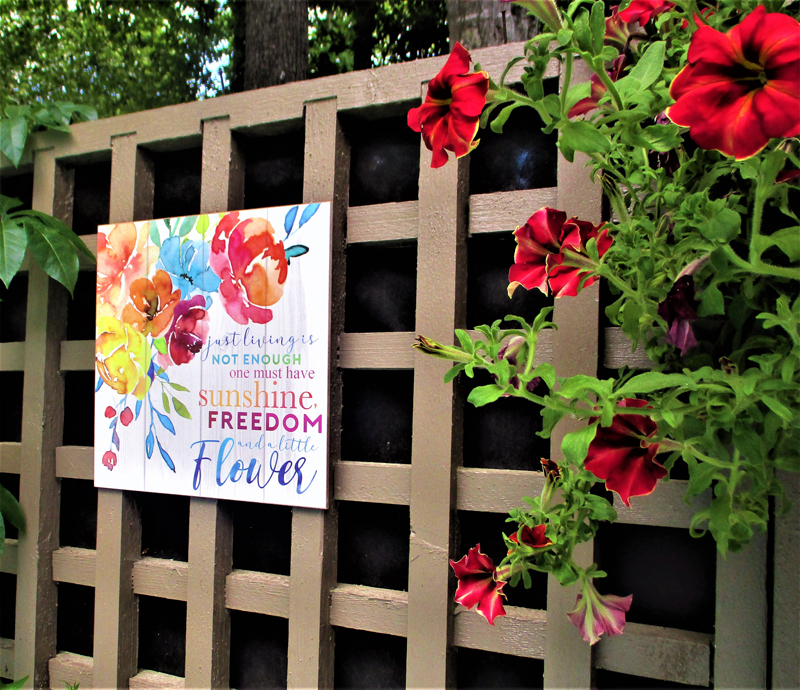
As if the shapes, textures and fragrances of garden plants weren’t expressive enough, gardeners use signs to communicate. Not surprisingly, the messages they send are as varied as the plants themselves.
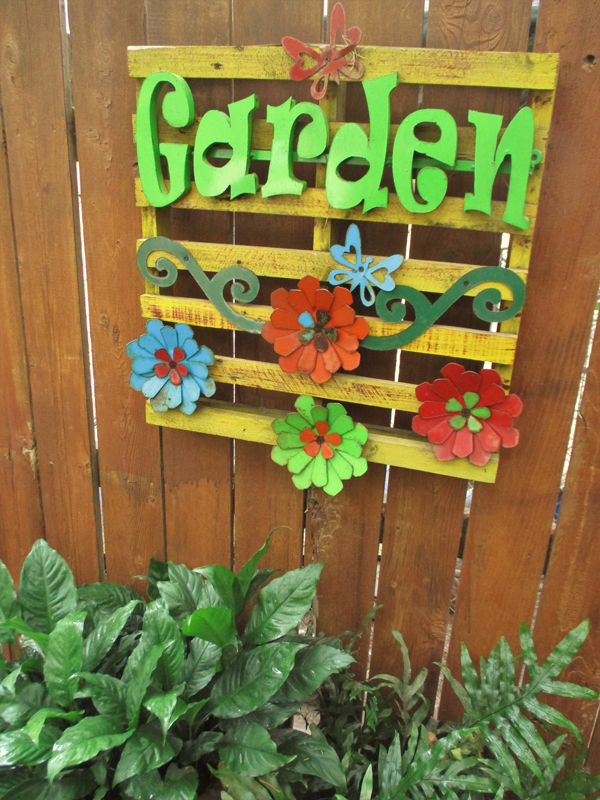
Typically, the messaging begins at the garden gate with “Welcome”. From there signs can range from playful to practical to philosophical. Signs declaring “Bee happy” and “Hummingbird haven” point the way to pollinator gardens. “Earth laughs in flowers” adds charm to colorful annual beds. “Everybirdy welcome” extends an invitation to bird-friendly landscapes. And signs reading “It was prettier in the catalog” acknowledge that, in gardening, things don’t always turn out as hoped.
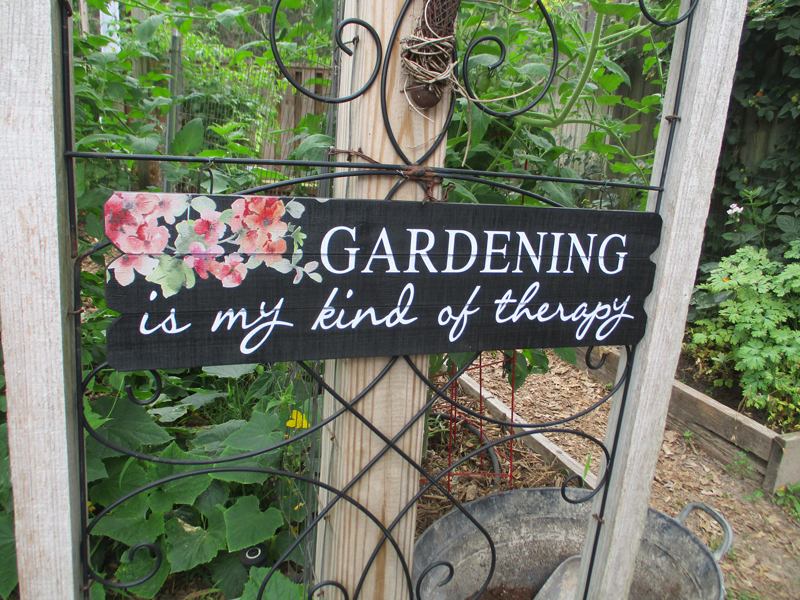
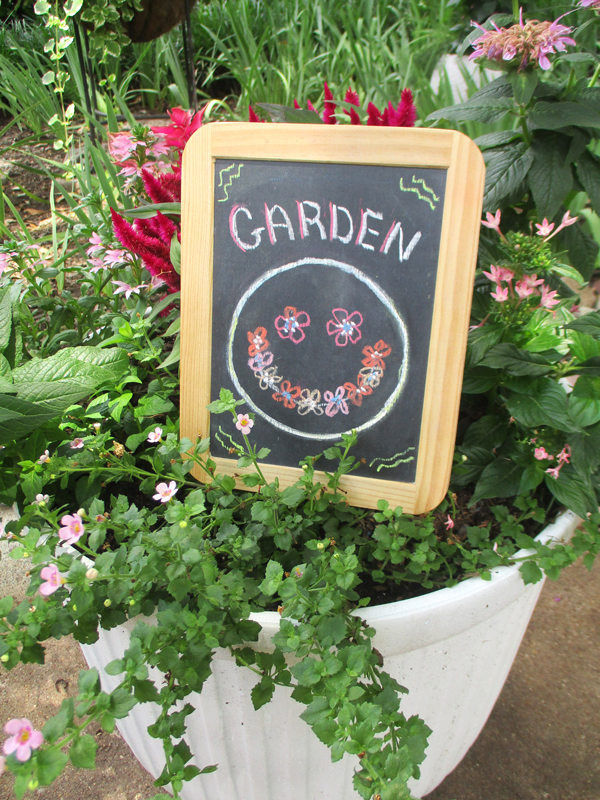
Not to be outdone by the immense variety of quips, quotes and words of wisdom, there is no end to sign structure and style. Gardeners scrawl letters on discarded tools, tin and fence pickets. They piece words together from twigs. They express themselves on barn wood, bottles and bricks. What’s more, when it comes to getting their message across, some gardeners use wooden letters they swiped from their child’s alphabet set.
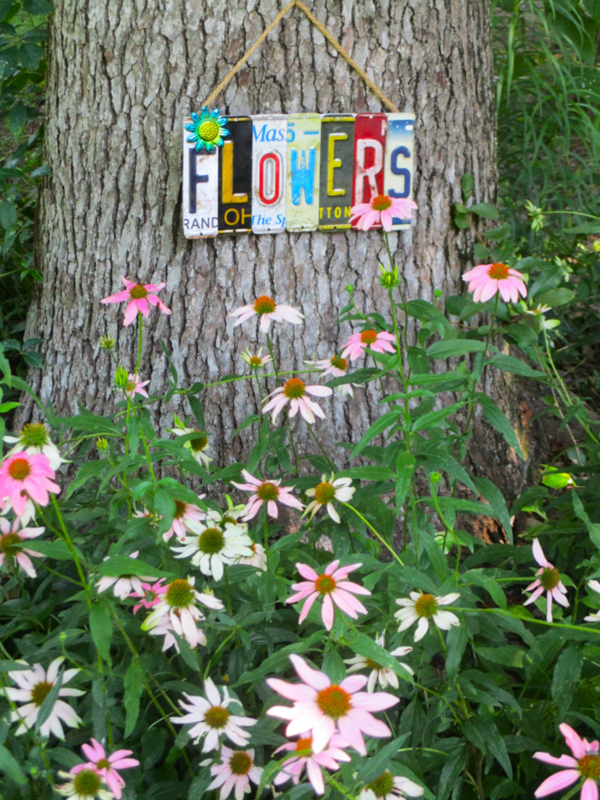
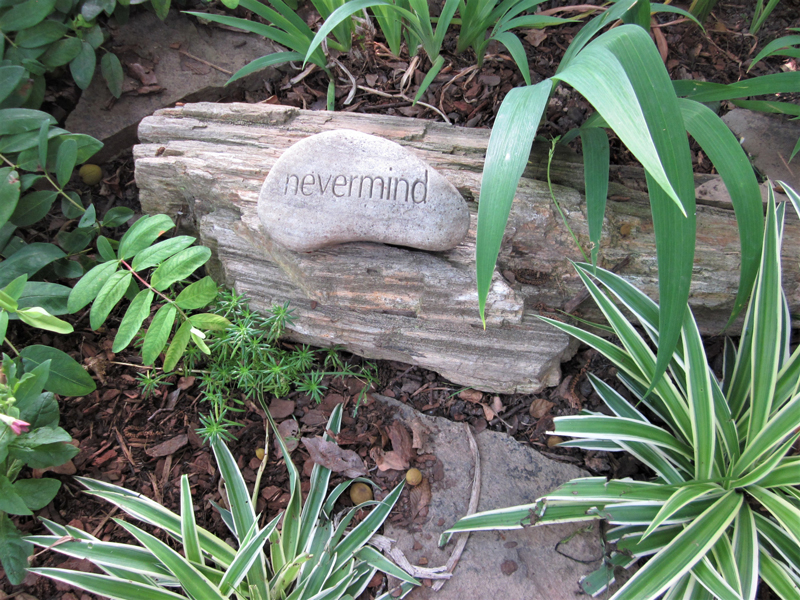
With so much to say and so many ways to say it, it’s fortunate that gardens have just the right spots for signs large and small. Fences, walls and the sides of garden sheds invite long-winded musings. When one or two words gets the point across, gardeners display signs on stakes, they dangle them from shepherds’ rods, and they tuck them into pots. Even a terra-cotta saucer can become a site for self-expression. Just fill it with water and submerge a river rock inscribed with a message! Potting benches, patio tables, trellises, and arbors invite garden signs, as well.
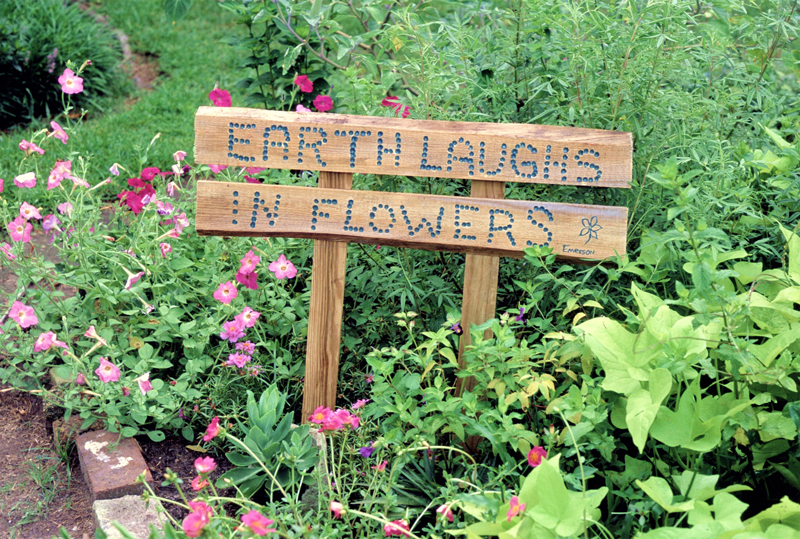
American poet Ralph Waldo Emerson in 1846.
Signs welcome guests, set moods, create points of interest and identify plants. But best of all, signs can generate a smile after a morning of weeding, watering and watching plants grow.
“Your mind is a garden.
Your thoughts are the seeds.
You can grow flowers
Or you can grow weeds.”
(author unknown)