
Fall landscaping tips
It’s easy to make a good case for fall landscaping. Plants set out now can establish their roots this fall, over the winter, and throughout the spring. They’ll be better prepared to face the wrath of next summer.
Nursery stock has been growing in its containers all summer, so the plants are full and ready to take off. By spring they will have been repotted into larger containers for a higher price. You might even find them on sale this fall as garden centers reduce their inventories before winter.
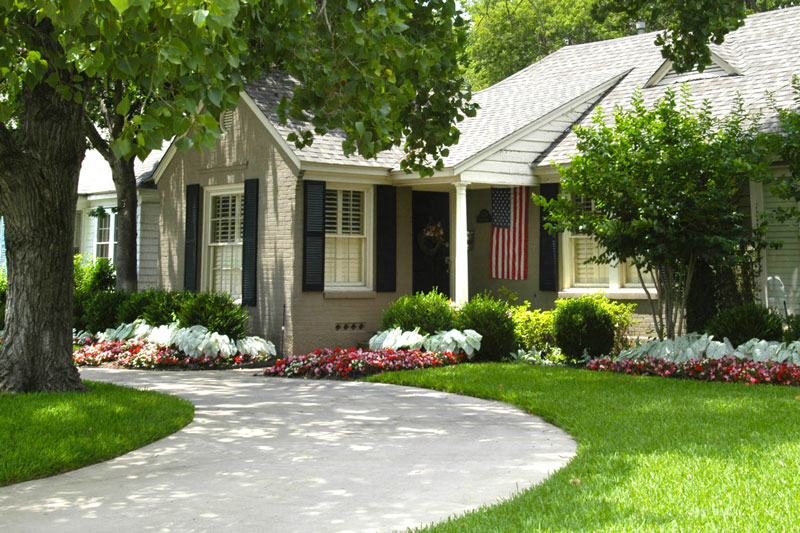
Designers have more time to work with you in the fall than they will in the crush of the springtime. Plus, your ideas and concerns are much fresher in your memory now since you’ve just gone through this season.
But how do you find the right designer to interpret your dreams? Talk to friends and neighbors whose plantings you admire. They’ll probably be flattered to share names and contact information of people who have done their work for them.
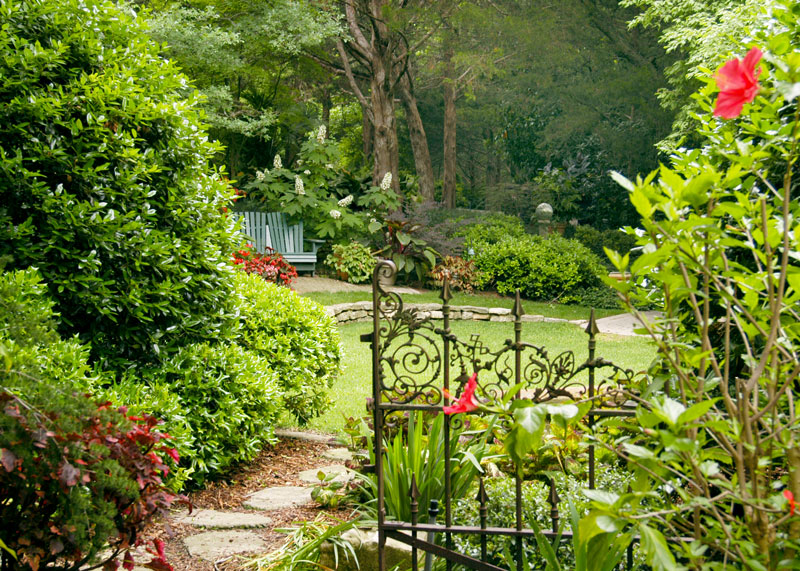
If you have a local independent garden center where you have a good relationship, ask the owner or manager for a couple of recommendations. They may have someone on staff who can help you, or, if they also sell wholesale, they’ll be very familiar with the work of landscapers in your area.
Let’s clarify a couple of terms. Landscape architects are men and women who have college degrees in that field. They should also be licensed, and they’ll have backgrounds not only in fine design, but also in the physics of things like overhead structures, bridges, and retaining walls. Some of them have also become very well versed in plant materials.
Landscape designers are often found in the ranks of nursery professionals. They’ll have an outstanding working knowledge of plants, and many will also have good eyes for what makes an attractive overall garden design. But there will be no requirement for a formal degree in architecture or the physics of building a landscape.
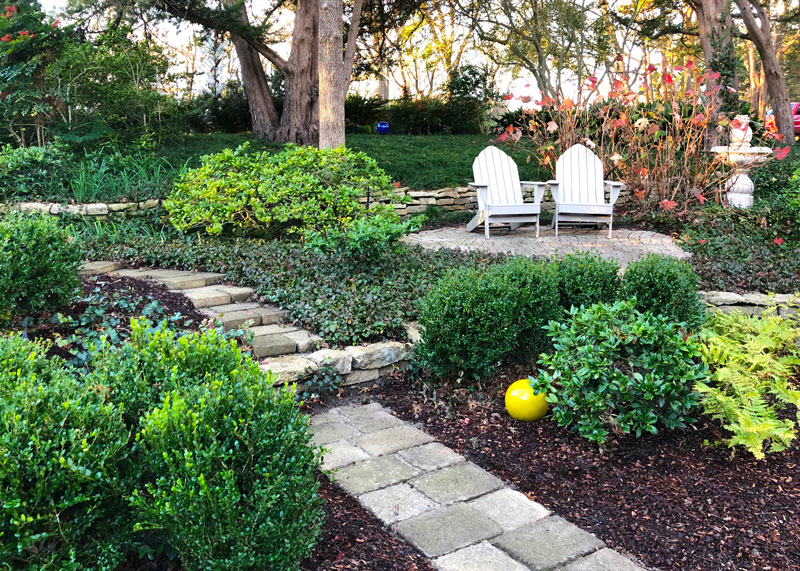
The truth of it is many home gardeners can do their own landscape designs. As you’ve just read, all it takes is (1) a knowledge of the raw materials you’ll be using (the plants and the “hardscaping” elements) and (2) a feeling for how to combine them aesthetically.
If you’re planning on getting professional help, start with a list of what you have now and what you want to accomplish. Include the plants and structures you want to save and those that can be removed. List your desires and show photos of other designs you have liked.
Ask the person you’re interviewing for references and addresses and drive by for a look. The landscape should be a couple of years old so the plantings will have had a chance to mature together.
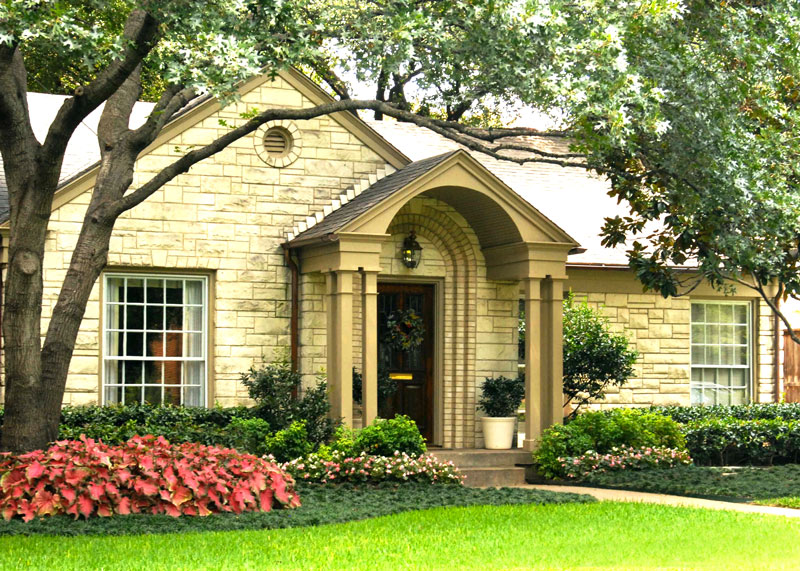
Call the homeowners. Ask how the person was to work with. Ask how their landscape has held up. If you like a particular person’s approach to planning, turn them loose on your landscape. Let their creativity flow. A few weeks later you’ll get a call that they have their first working drawings ready to share with you, and that’s when your real excitement will start.
Fall is for planting.
Now is for planning.
Have fun!