
Texas Garden Tip: October 22, 2026
Watch for these quick tips regularly in e-gardens. I’ll use them to give you guidelines on plants, products, or practices that will make gardening easier and more rewarding.
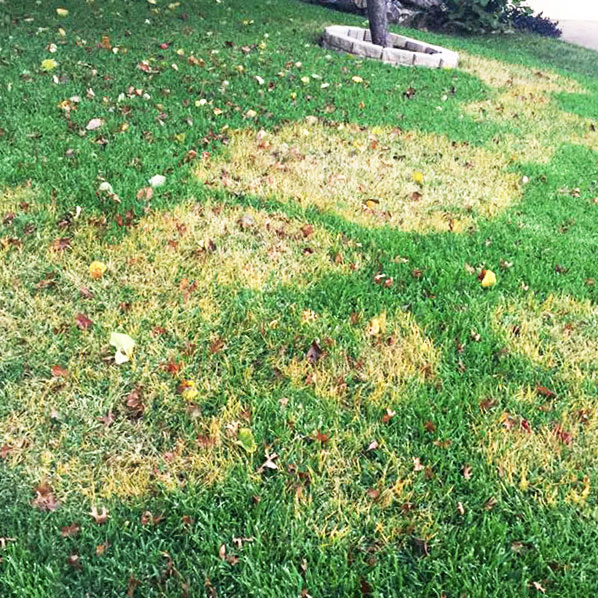
The facts about Brown patch…
• You’ll also see it called “large patch” by plant pathologists.
• Caused by a fungus that attacks the leaf blades where they attach to the runners. Does not affect the runners or the roots.
• Appears in cool weather, usually in fall when temperatures drop to 60F or cooler at night and following rain or irrigation.
• Appears in circular patches 18-30 in. across. Grass first turns yellow, then brown a few days later.
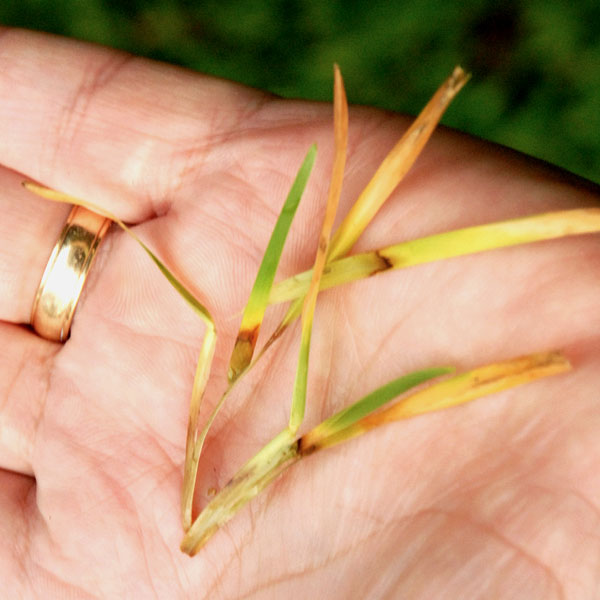
• Blades pull loose easily from the runners. You can see the decaying areas at the bases of the leaf sheaths.
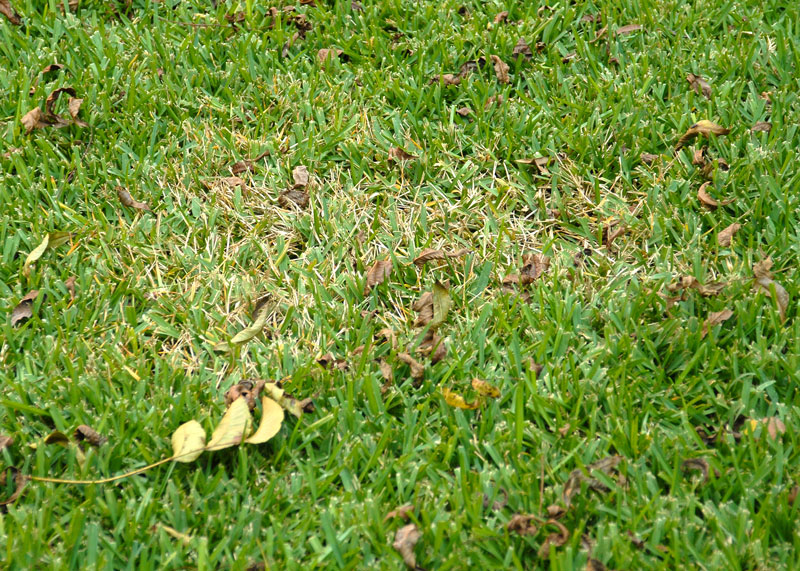
• If weather stays warm, new green blades may be produced within the affected area.
• It weakens the grass, but it does not kill it. Extreme cold may do more damage to infected patches than healthy areas.
• Treating for the fungus with a turf fungicide labeled for patch type diseases is definitely recommended, especially if you catch it early in the fall.
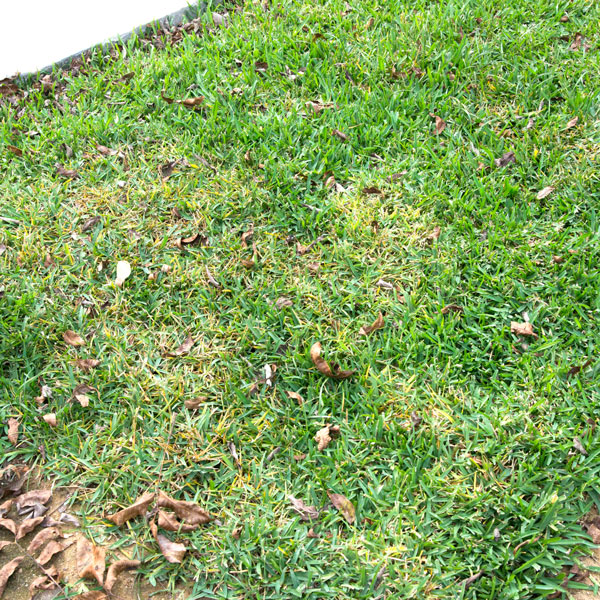
• Avoid evening irrigation. Water, instead, in early morning so grass can dry quickly.