
How much is that tree worth?
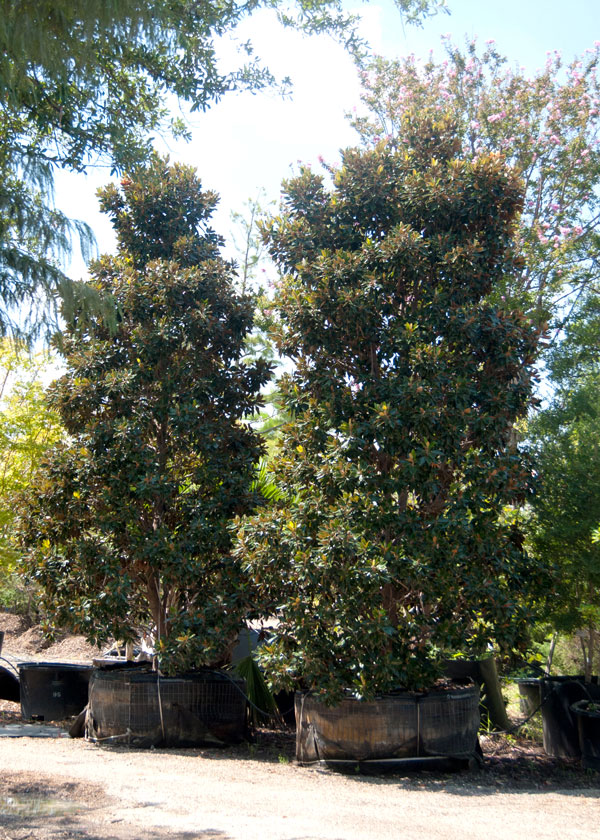
Fall is the best time to add new trees to your landscape so they can get new roots established before summer. It makes it the best time to study the new trees that might surround you. Consider your choices carefully and pick only from the superior species.
What are the attributes of a great shade tree?
As you make up your list of candidates to consider, what are the qualifications that matter the most?
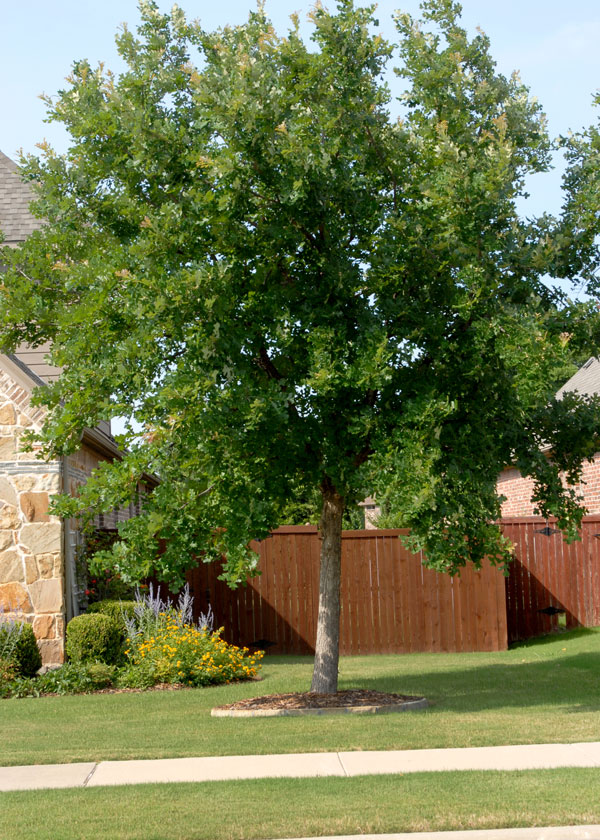
• Beauty. You don’t want an ugly tree. They cost the same to buy, plant, and maintain. Consider its growth form and how well it will blend in, also its seasonal colors, and its overall texture. That’s a forgotten factor, but it really does matter. And how long does it stay at its best appearance? You want a species that’s going to look great every week of the year, not just for spring blooms or fall color.
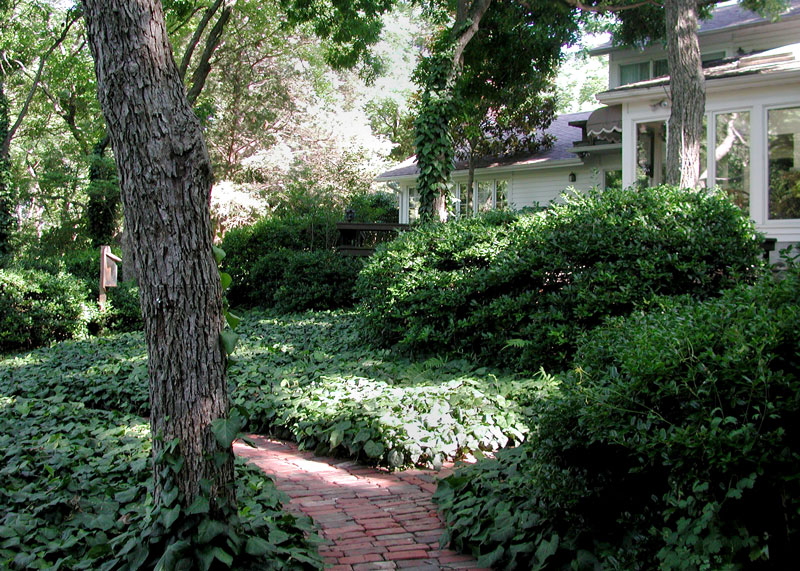
• Longevity. Ask your favorite Texas Certified Nursery Professional or certified arborist how long a given tree species is likely to live in your area. Stay away from the short timers. This is the most permanent part of your landscape. Invest for the long term.
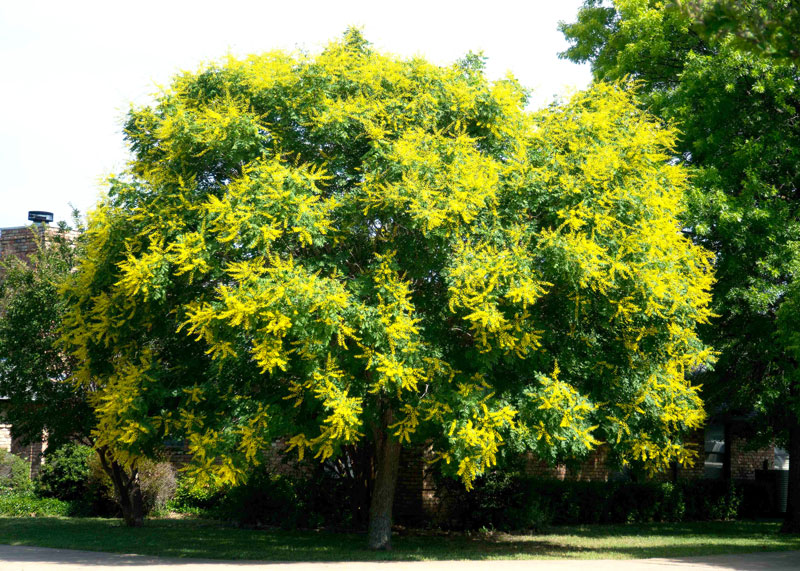
• Site adaptability. Will the tree you’ve fallen in love with tolerate the soils or climate in your locale? If it won’t, keep looking. It’s almost impossible to modify soils enough to grow an acid-loving East Texas tree in the alkaline black clay gumbos of the I-35 corridor or a tree from arid West Texas in a boggy East Texas lowland. Those certified arborists and nursery professionals will be fortune tellers who have the ability to see what’s coming if you make a bad choice. Hear their warnings.
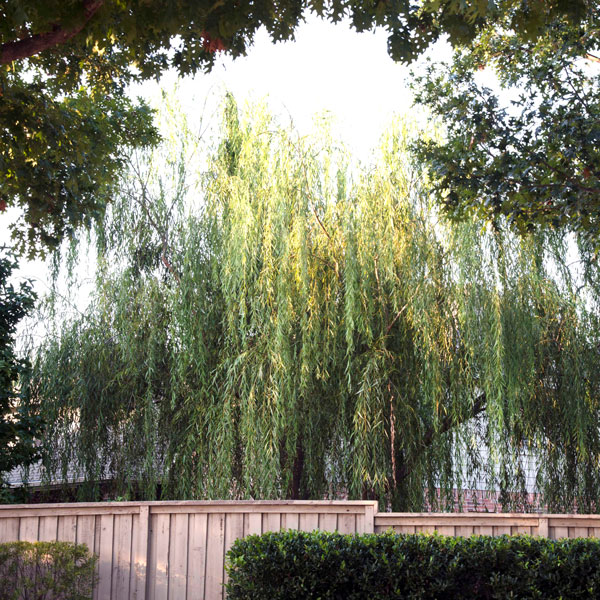
• Resistance to insects and diseases. These can really score a tree down. The notable one is cotton root rot, a soil-borne fungus present in alkaline soils. It attacks a wide range of our landscape plants including many of our large tree species. It may lay dormant in the soil for 15 or 20 years, then suddenly kill a mature apple, pear, or maple tree (or others) in a matter of weeks. A certified arborist will know which types are most vulnerable, and those trees will rank far lower in value than resistant types such as oaks, pecans, cedar elms, crape myrtles, junipers, magnolias, and hollies. By the same token, insects of various species can be threats to specific types of trees.
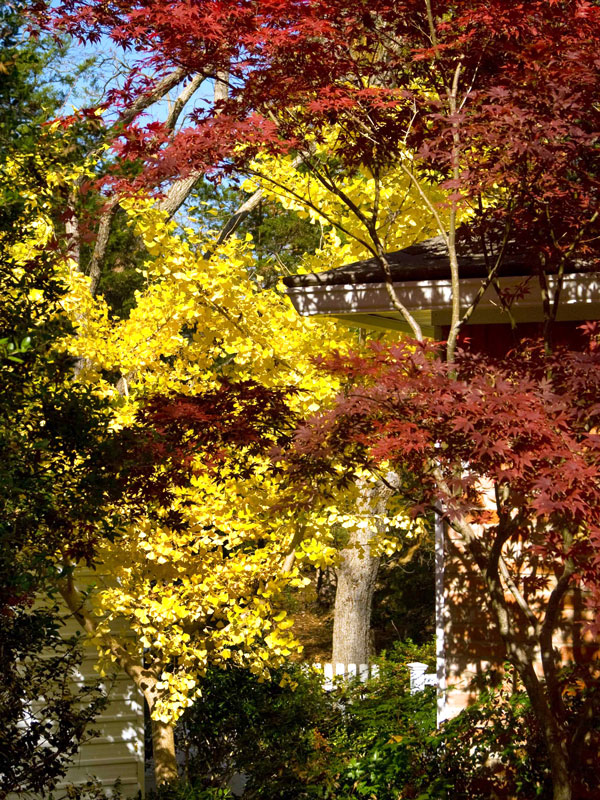
• Placement in the landscape. A tree’s location within a landscape is very important to its perceived dollar value to that garden. If it’s strategically placed where it provides a handsome frame to the home or critical shade from the west, it will be worth far more than if it blocks a lovely view and causes the loss of all recreational space. Similarly, the first tree in a landscape will be worth far more than the fifth tree of the same species. You can get too many of a good thing.
• Condition. Trees that are perfectly shaped and free of trunk damage or broken branches are going to come closer to perfect scores than trees that have been gouged up by line trimmers or car bumpers. Decay in trunks, or roots that are causing severe damage to driveways or foundations lower a tree’s value to the landscape because both may involve expensive repairs.
I said it at the outset. A certified arborist who is a member of the International Society of Arboriculture (ISA) will have their own ideas about what I’ve written. Their opinions carry more weight than would mine, and if you need a second opinion, ask for it there.