
Horseherb is pretty in some eyes
Last Sunday marked the 175th anniversary of the founding of the First United Methodist Church in McKinney, Texas. After each of the four services all who attended went out onto Church Street to have a group photo taken in front of our historic 125-year-old sanctuary.
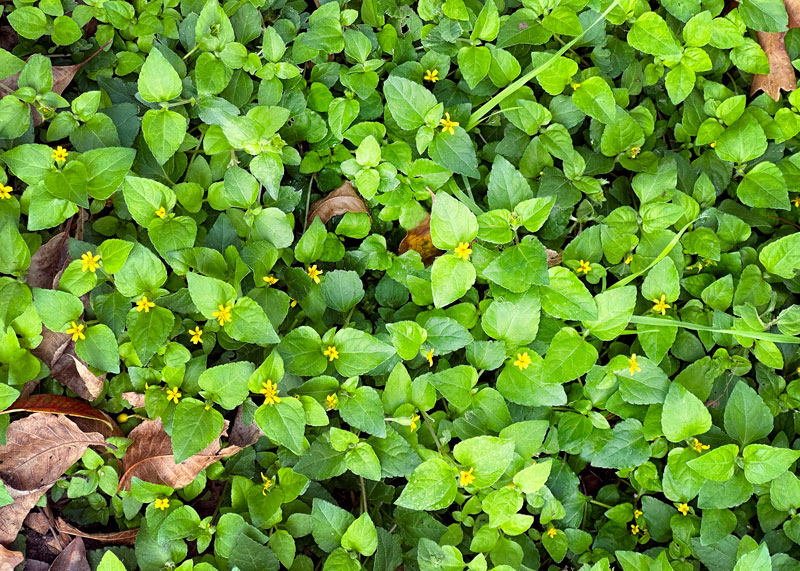
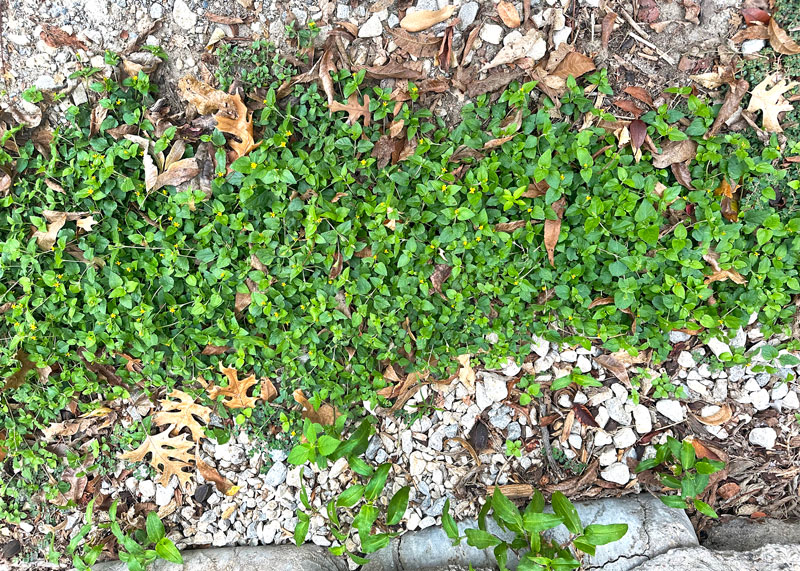
That shut off our normal parking lot, so Lynn and I parked on the opposite side on another street and walked in another door. That route took me past a backyard where I saw horseherb growing luxuriantly at the edge of their St. Augustine turf.
I’ve been asked about the plant several times over the years, but I’ve never written about it. When I saw that yard and took today’s photos, that’s when I decided to share my thoughts with you here.
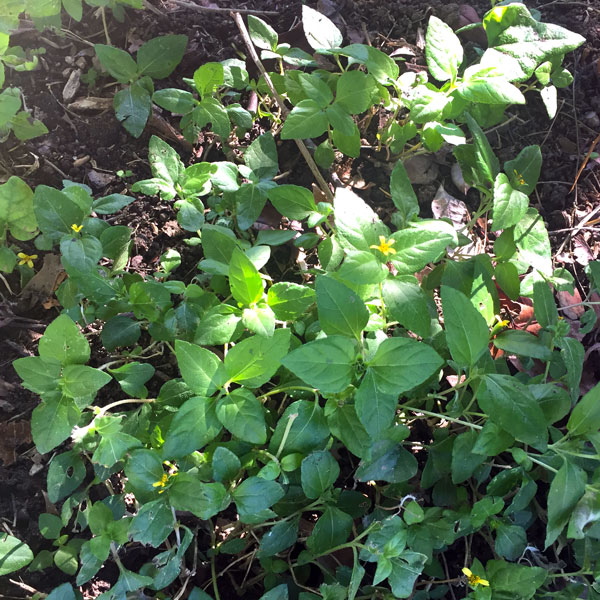
General thoughts about the plant…
For native plant purists, horseherb is a popular choice as a groundcover. It stays low, it blooms nicely part of the year, and small butterflies like it. It handles Texas soils and our strange weather well, and it doesn’t ask for anything special.
So, what’s not to like about a plant like that? For one thing, when the going gets tough, it disappears. Its tops die to the ground in the winter. That’s not good if you want your landscape to have a happy look at all times – not just when it feels like it.
And, when it turns hot and dry in the summer, essentially the same thing will happen. Put in other words, it’s a beautiful groundcover about half the time.
That hasn’t bothered me too much, because where I planted mine, I wasn’t counting on a formal garden-scape look. I used it in more distant parts of our rural property. But much to my chagrin, my little buddy started showing up all over my landscape.
One year after I brought it home from the nursery and put it into one shady bed on the east side of our 11 acres, I found it growing alongside our driveway uphill 200 yards away. It since has appeared in turf and groundcover plantings many other spots on our property.
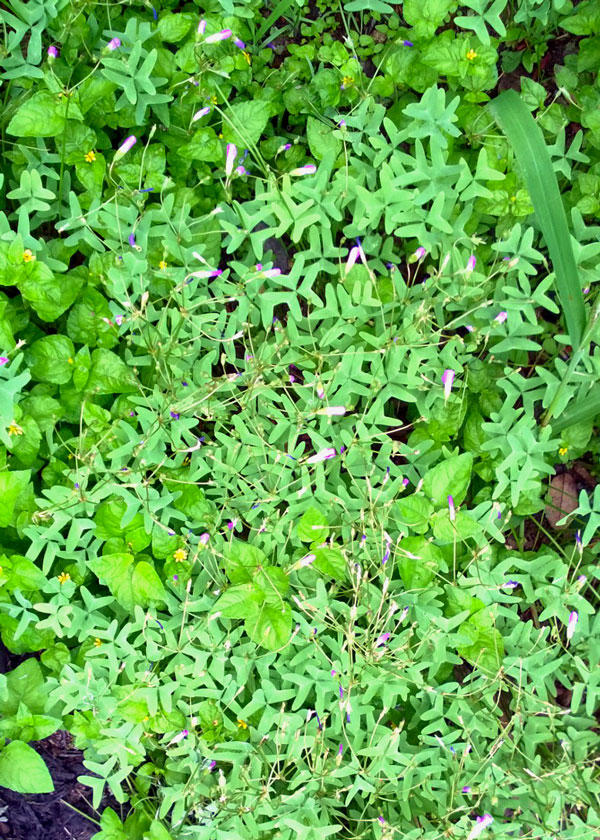
Horseherb moves in on you faster than relatives after you’ve come into wealth.
As one website said in its description of the plant, “It wanders.”
North Carolina State University’s horticulture website says, “It can become weedy.”
A few facts to know…
• Common names: Horseherb, straggler daisy, Lawnflower, and many more.
• Scientific name: Calyptocarpus vialis
• Plant Family: Asteraceae
• Native range: Florida, through Alabama and Mississippi, and across Texas. (Introduced into many other states, so probably naturalized there as well.)
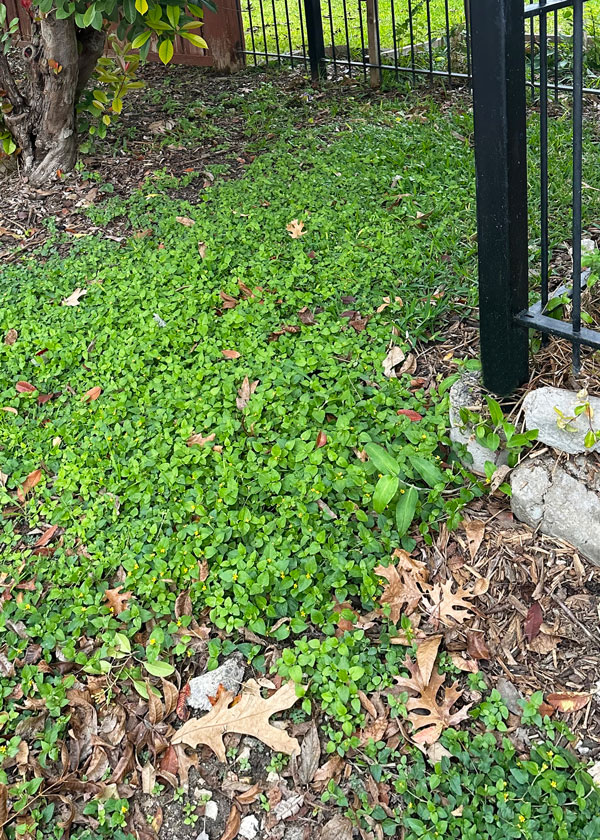
• Mature height: 6-10 in. with spreading growth.
• Foliage: Bright green, with small spade-shaped leaves. Trailing stems die to ground when plants are dormant, generally in winter and occasionally in summer.
• Flowers: Tiny yellow blooms spring into early summer, again with new growth in the fall.
• Sun/shade preferences: Partial shade is ideal. Full sun in summer is more challenging than it would prefer.
• Soil preferences: Tolerant of most soils, even clays. Most vigorous in sandy clay loams that are kept uniformly moist but not waterlogged for prolonged periods.
• Prime landscape uses: Replacement for turfgrass in shaded areas of informal landscapes where its random aggressiveness won’t be a problem.
• How propagated: Stem cuttings, division. It will spread by seed, but it’s difficult to collect them, so seed is rarely sold.
• Problems: No serious insect or disease problems as long as you can water often enough to keep the plants alive during the growing season. Just be prepared to have it spread into more manicured parts of your gardens. Fallen leaves that are allowed to accumulate and pack beneath trees can choke it out.