
Ponytails took the long route to Texas
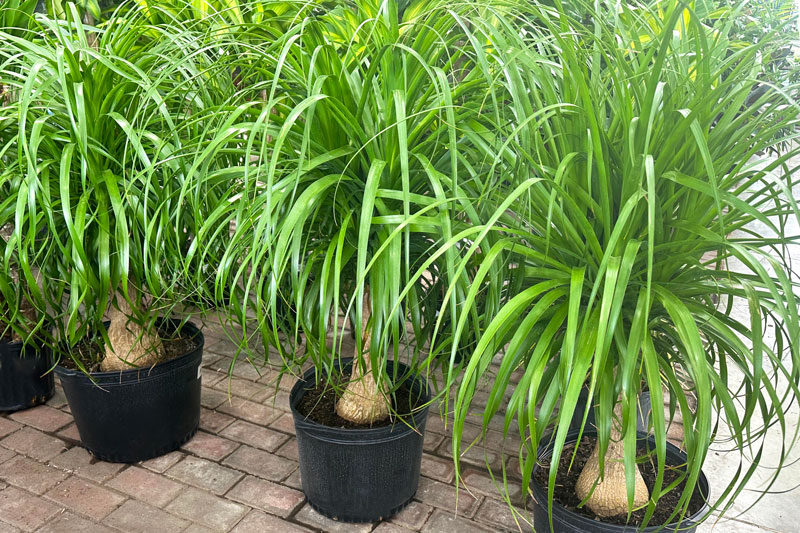
You may not know the plant, but you certainly recognize its swollen bases. That’s a way it can store water, and that’s because it’s native to desert areas of eastern Mexico – the states of Tamaulipas and Veracruz.
Europeans became interested in succulents of the deserts of Mexico, and this was one of the plants they gathered and took back to their public greenhouses across the Atlantic. That was the late 1800s, and within 25 years ponytails were being imported into the United States for use in large public conservatories.
It wasn’t long until garden centers wanted their share, and by the 1950s, when the modern “drive-up-to-the-door” retail nursery was becoming a real thing, ponytails were part of their inventories.
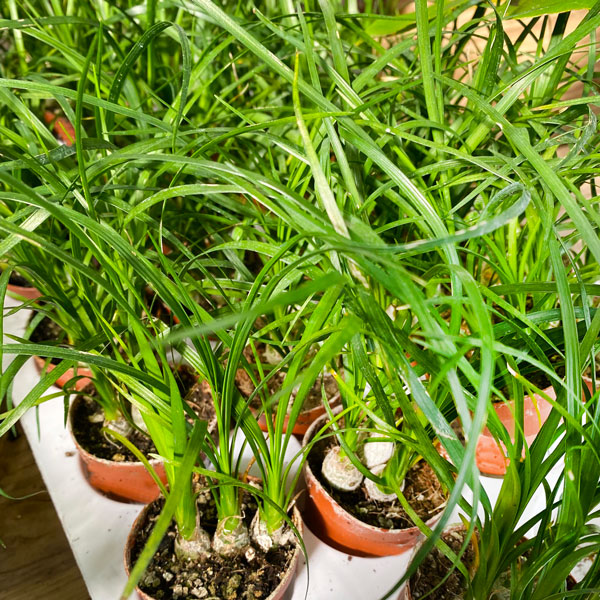
Known to botanists as Beaucarnea recurvata, they’re grown from seed. However, offsets are sometimes produced and do offer another way to get a new plant started. Patience is a virtue when you’re starting with a small seedling in an equally small pot. It’s going to take years for it to develop its swollen base. All that while, give it bright light (morning sunlight when possible) and perfect drainage. I prefer a standard highly organic potting soil to which I have added 20 percent expanded shale. Not only does the shale improve the drainage, but it also provides weight and ballast to keep the plant from tipping over from its own weight. Ponytails can become very top heavy as they mature. For that reason, I prefer to grow mine in terra cotta containers.
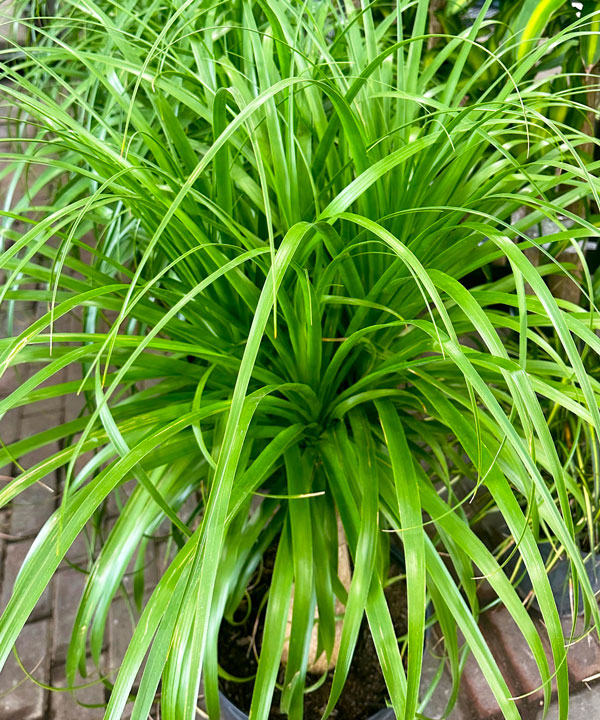
Protect ponytails from freezing temperatures, and don’t place them in direct afternoon sunlight during the summer. Keep a sharp eye out for scale insects. They’ll look like half-BBs as they adhere to the leaves and stems. They suck plant fluids from the tissues, so you do want to remove them. I use cotton swabs dipped in rubbing alcohol to stroke them away. You’ll learn the grain of the leaves so you won’t tear the swabs in the process.
Use a diluted, water-soluble plant food to feed your ponytails once per month. Keep the plants slightly dry – better a little too dry than a bit too wet.
And that’s about it. They’re among our easiest-care houseplants. Give them a try. You may create a passalong plant that will be handed down from generation to generation.