
Stinging Caterpillars are Back
As you’re cleaning out garden beds, pruning shrubs, and raking tree leaves, it’s inevitable that you’ll run into several types of caterpillars ambling about in your gardens. I see them commonly on live oaks and Nellie R. Stevens hollies, two of my prized landscaping plants.
First temptation might be to pick them up and watch them tumble across your fingers and arms. Or you might at least stroke them to feel the soft fuzz. Either could be extremely painful, because many of those hairs are filled with venom and they’re capable of plunging it into your flesh.
That said, here are a few really good websites that have information and photos. Learn to recognize “the bad guys” so you can avoid them. They also give you help in coping with stings when you’re caught by surprise.
Websites with content of merit…
There are many excellent sites offering information online. Here are a few I found of general help.
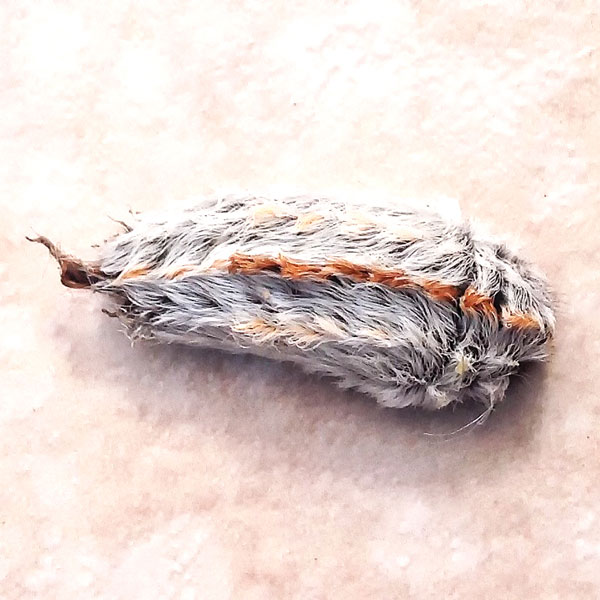
Texas AgriLife Extension Service of Texas A&M:
https://agrilifetoday.tamu.edu/2025/05/29/start-looking-out-for-stinging-caterpillar/
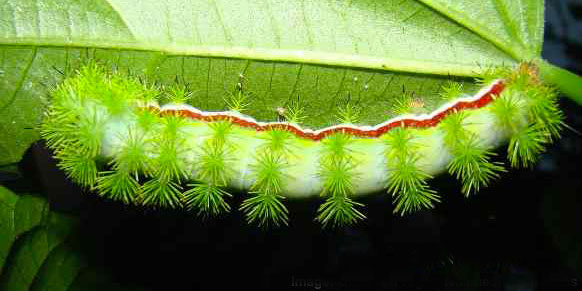
A private webpage:
https://leafyplace.com/stinging-caterpillar/
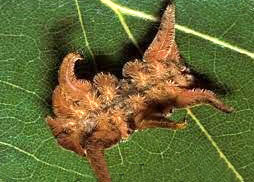
Southern Living, quoting two southern universities:
https://www.southernliving.com/venomous-caterpillars-11707105
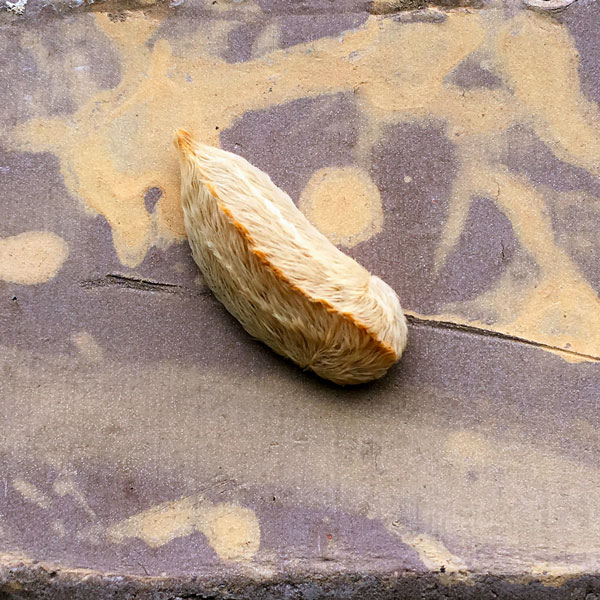
A private webpage:
(Loaded slowly for me, but the photos were a big help,)
https://ownyardlife.com/types-of-stinging-caterpillars/
There are many more, but they seemed to be redundant.