
Pick the right plant food
It’s a state law in Texas that any product that claims to add nutrition to the soil and our plants’ general surroundings must carry proof of those statements. You’ll find it somewhere on the bag, box, or bottle. It will help if you know the facts of the matter.
Organic or inorganic…
I won’t try to sway your thinking. There are great and successful gardeners in both camps. Here are the things to consider.
Fact 1: The major elements, nitrogen, phosphorus and potassium move into plants’ roots suspended in water. Before they can do so, they must be broken down into very simple, water-soluble forms. At the point that nitrogen, as one example, enters a plant’s roots, there is no difference in that nitrogen, whether it was produced in a factory, or is the by-product of a cattle feedlot. In that respect, organic and inorganic fertilizers are taken up by plants in exactly the same way – by osmosis in water solution.
Fact 2: Organic fertilizers dissolve (become “available”) much more slowly than inorganic types. That means they’re less likely to cause burning of foliage than inorganic types, but it also means that it will take them much longer to show positive results. Inorganic fertilizers, by comparison, become available for plant use fairly rapidly, so you’ll see the response more quickly.
Fact 3: Another prime difference between organic and inorganic plant foods is in their percentage of nutrient content. The three numbers in each product’s analysis represent percentages of nitrogen, phosphorus and potassium. Adding them up, organic fertilizers with analyses of 1-2-1 contain four percent actual nutrients. Inorganic types like 12-12-12 contain 36 percent. 24-0-4 would be 28 percent total nutrients. You can get to the same goal line with either type of plant food. You’ll just need to use more of the organic fertilizer to realize the same results.
Fact 4: Organic fertilizers, particularly manures, have high contents of organic matter. That means they are very beneficial in improving our soils. When I talk about bed preparation for annual and perennial flowers, also vegetable gardens, I talk about incorporating several inches of organic matter into the top foot of any Texas soil. A major part of that organic matter is well-rotted manure. So, you get the organic matter and the nutrition, albeit at low levels of nutrients.
Have your soil tested…
The only way you can be sure of your soil’s exact nutrient needs is to have it tested by a reliable soil testing laboratory (such as the Texas A&M Soil Testing Lab in College Station) every few years. Monitor changes in nutrient levels, soil pH (acidity/alkalinity), and even accumulated mineral salts (potentially damaging).
When your soil test comes back, don’t be surprised if it suggests you need to apply only nitrogen – absolutely no phosphorus (middle number of the analysis) and no potassium.
That kind of result has been common across Texas for many years. Phosphorus (and sometimes potassium) is almost always present in very excessive amounts in most Texas clay soils. It’s going to feel odd to put an all-nitrogen fertilizer around a flower garden or tomato patch, but if that’s what the soil test suggests, go with it.
Timing your feedings…
I normally advise people to fertilize in anticipation of upcoming growth, not after it has occurred. You want to have a ready supply or nutrients available for your plants when they’re exerting their most effort in growing.

• Most trees and shrubs, vines and groundcovers: early spring, late spring, early fall;
• Spring-flowering shrubs and vines: all-nitrogen food immediately after they finish blooming, repeat late spring, early fall (in sandy loam soil, phosphorus may be advised in fall to promote maximum bud set over winter);
• Fruit crops: Late winter as growth begins, late spring, early fall;
• Annual and perennial flowers: Monthly just before and during peak blooming season;
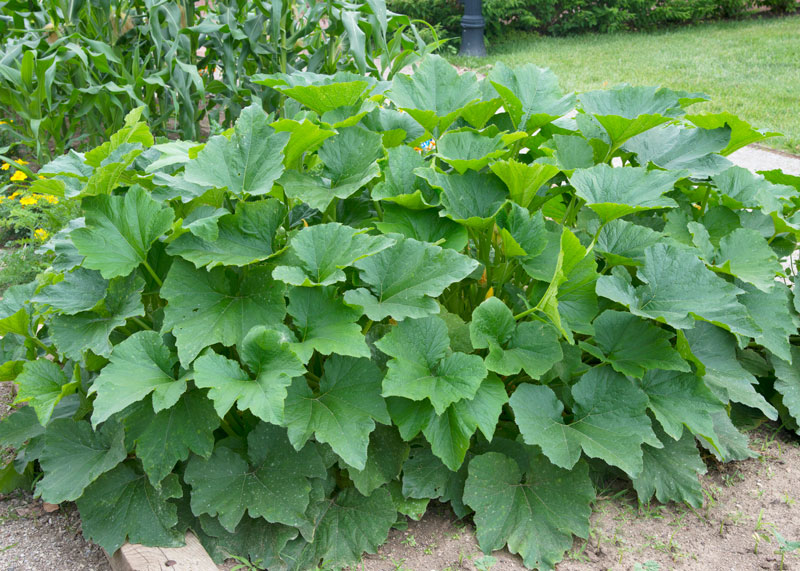
• Vegetables: Two weeks after planting; monthly until harvest;

• Common bermuda: Every two months from mid-April through mid-October;
• Hybrid bermudas (dwarfs): Monthly mid-April through mid-October;
• St. Augustine: Mid-April, early June, early September;
• Zoysia: Every two months from mid-April through mid-October;
• Buffalograss: Mid-May, mid-September;
• Fescue: Mid-September, mid-November, mid-February.
For best results…
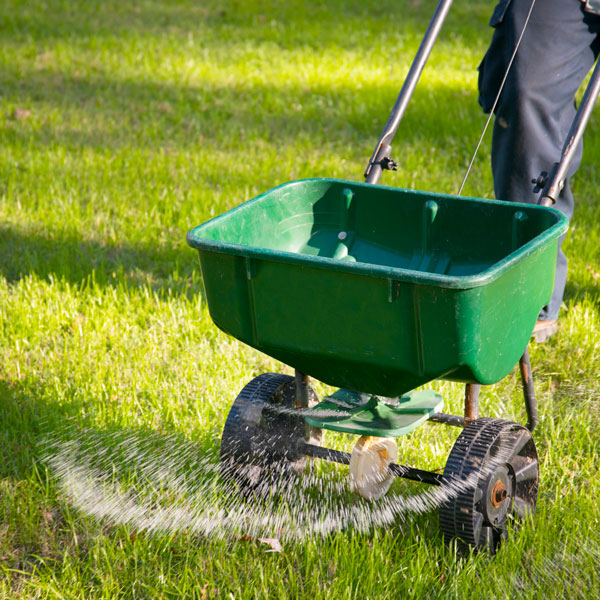
• Make applications in two passes across the lawn or bed. That minimizes the chances of missed areas.
• Apply to moist soil, then water deeply immediately after application to soak the nutrients into the root zone. Do not try to time feeding to come prior to rainfall. Texas rainstorms are too unpredictable.