
Butterflies named it. You’ll love it.
If you listed the Top 50 wildflowers in Texas, this plant might make the list.
If you listed the Top 50 perennials for Texas, it almost assuredly would not.
Native to the East Texas sandy soils, butterfly weeds stand out like rays of sunlight each spring as the basketball-sized plants cover themselves with bright orange blossoms. And, true to its name, butterflies find them. After all, it’s a milkweed, Asclepias tuberosa.
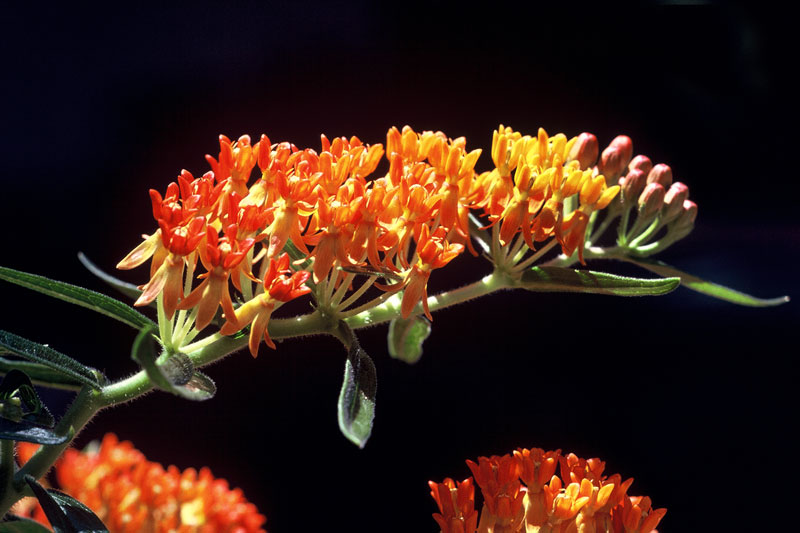
I was sent on a photo assignment to Tyler’s famous Azalea Trails around the first of April in the late 1970s. As I drove into town the countryside was dotted with butterfly weeds in full bloom. That’s when I met this gorgeous beauty, and it’s been a good friend ever since.
Several years later we traveled to Central Ohio to spend time with my wife’s parents in July, and there in the rural pastures it was blooming like crazy. It seemed like it was trying to send me a message.
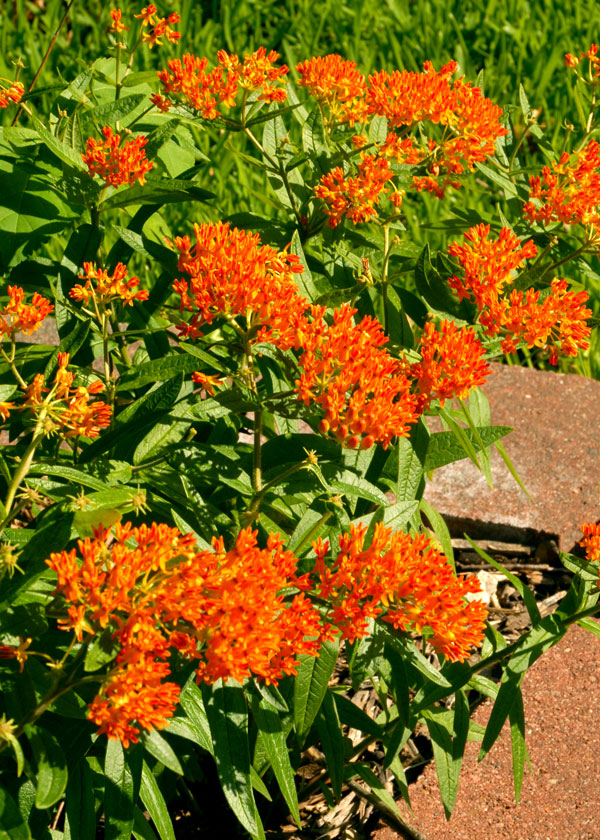
I’ve learned several things about butterfly weed in the ensuing years:
• You don’t find it in nurseries as often as you should. Before I send you out on a wild goose chase, call ahead to ask if your favorite plant source has it in stock – or if they’ll be getting it in.
• It doesn’t like to be disturbed. Don’t try to dig up plants from the wild. That’s not legal or ethical, plus it won’t work anyway. Buy plants that have been grown in containers and that are ready to be transplanted out into the garden.
• It does best in highly organic, well-prepared garden soil that drains well during periods of extended rainfall. (I remember a few of those!)
• Plant it in full morning sun. A little shade mid-afternoon might be nice.
• You may even see it sold in a variety of colors, from traditional orange to rust-red, yellow, and white. Those are primarily available as seeds, but where there are seeds there might be transplants. Orange is still my personal preference, even though I’m a guy who grew up in College Station, home of the Aggies.
Note: I just did an Internet check for sources, and it appears you’ll be able to find it. A couple of large wholesale growers are producing butterfly weed and shipping it to Texas garden centers. It’s also available online, but I’d always recommend buying locally whenever possible. And, unless you’re really set up to produce your own transplants, I’d let the experts do the growing from seed.
If you do have to buy online, here is one reliable source.
So, there you have it – a plant that’s a weed, a wildflower, a treat, and a treasure, all in one tidy package. I hope you love it as much as I do.