
Fun facts about Easter lilies
My undergraduate degree was in Floriculture – greenhouse production of floral crops. I started at A&M, but I transferred to Ohio State as a junior. It was a very large department there compared to what I’d seen in Texas, and the greenhouse industry in Ohio was strong.
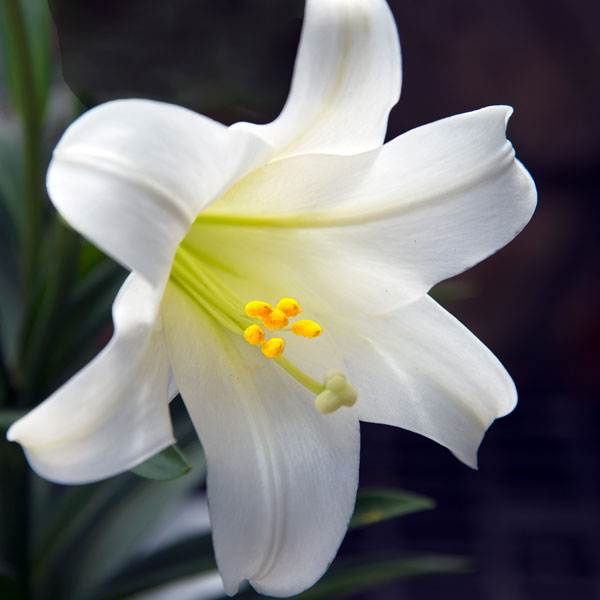
One of the things I learned very quickly was that nobody enjoyed growing Easter lilies. They were too challenging. Look at these potential pitfalls:
• Easter varied by almost a month from one year to the next so you could never get a rhythm going.
• You were starting with bulbs, not seeds, seedlings, or cuttings, so they were quite unpredictable. You were at the mercy of the bulb producers and the weather conditions they faced wherever they were.
• And the weather in winter, especially in Ohio, was usually dark and cold – not great for greenhouse production.
• Moreover, your crop sold by its bud count. If you had plants with only 2 or 3 buds, they weren’t going to sell.
• And, the way you got them to bloom on time was to manipulate the temperature in your greenhouse – warmer if they were behind schedule, cooler if they were running early.
• Worst nightmare of all: as you adjusted the thermostat, you could see the buds hitting the floor of the greenhouse. Your plants would abort buds if they were too hot or too cold.
Growers told our classes they’d rather have been growing almost any other crop than lilies, but the public demanded them.
Fun facts you might enjoy knowing…
• Easter lilies are botanically Lilium longiflorum.
• They are native to the Ryukyu Islands of Japan (including Okinawa), also to parts of Taiwan.
• That is a subtropical maritime climate with mild winters and warm (but not hot) summers. Soils are rocky and well-draining.
• The prime area for producing lily bulbs commercially in the U.S. is a sliver of land on the cool and foggy Pacific coast in northern California and southern Oregon.
• It takes growers almost 3 years from the time small bulbs are started in their fields until the bulbs are large enough for digging and shipping.
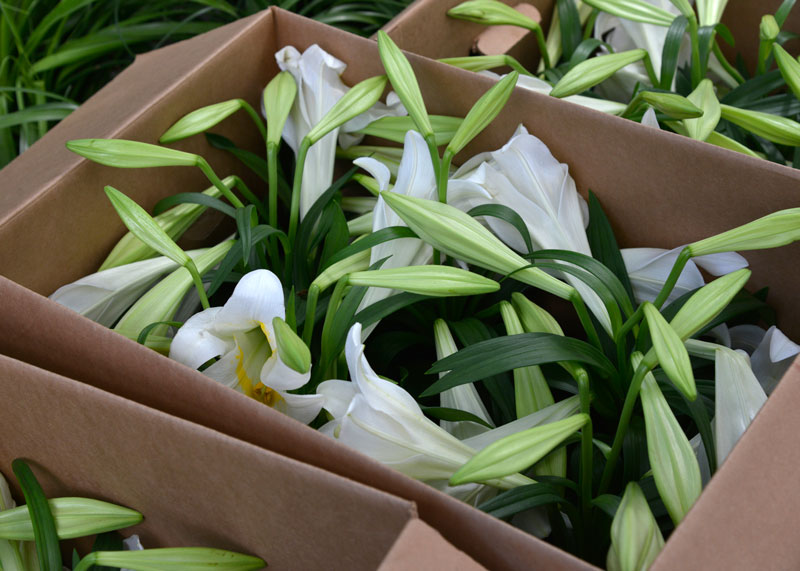
• Greenhouse growers prefer to ship their plants in full bud but before the flowers start to open.
• Easter lilies don’t handle the Texas climate at all well. You can set your plant out into the shady perennial garden as soon as it finishes blooming. Leave its stem and leaves intact. They will die away over the next couple of months. It will probably rebloom next year, most likely a little bit later than Easter. However, it probably will fade away after that. They just don’t handle our heat.
• Florists use tweezers to remove the anthers (pollen sacs) from the flowers before they have a chance to smear pollen across the petals. Lily pollen is greasy and cannot be removed.
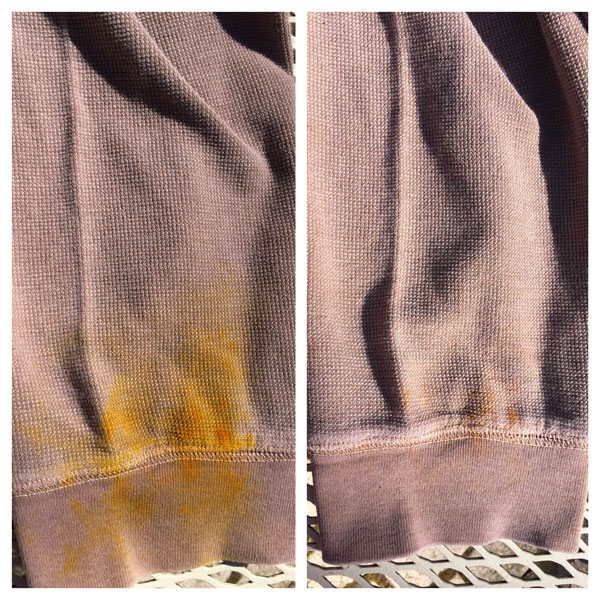
• If you ever get lily pollen on clothing, it’s impossible to brush it off. An old florist’s trick is simply to lay the garment out in the sun for 2-3 hours. The pollen will dry and magically disappear.