
Favorite Sources of Summertime Color
I marvel at landscaping artists who paint gardens with rich colors of summertime flowers and foliage. Our choices broaden each year, yet we lean back to many types we’ve grown for decades. Here are some of my long-proven favorites.
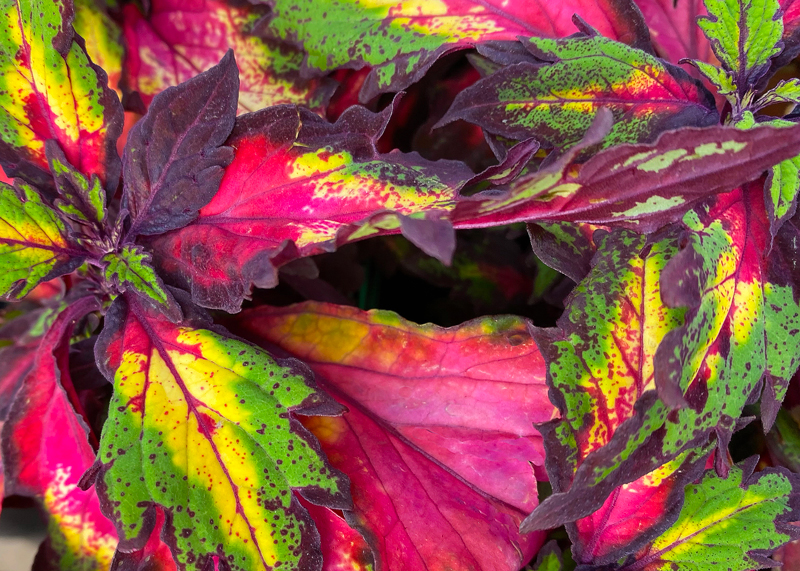
• Coleus. I might as well start with my first. I grew these from seed when I was a kid. I loved watching them magically develop their richly colorful leaves. They were top plants for the shade. However, research over the past 30 years has brought us dozens of types that hold up in part sun, even full sun. Most are shy bloomers, too, which means they just keep churning out colorful leaves right up to first frost. Gotta love ‘em.
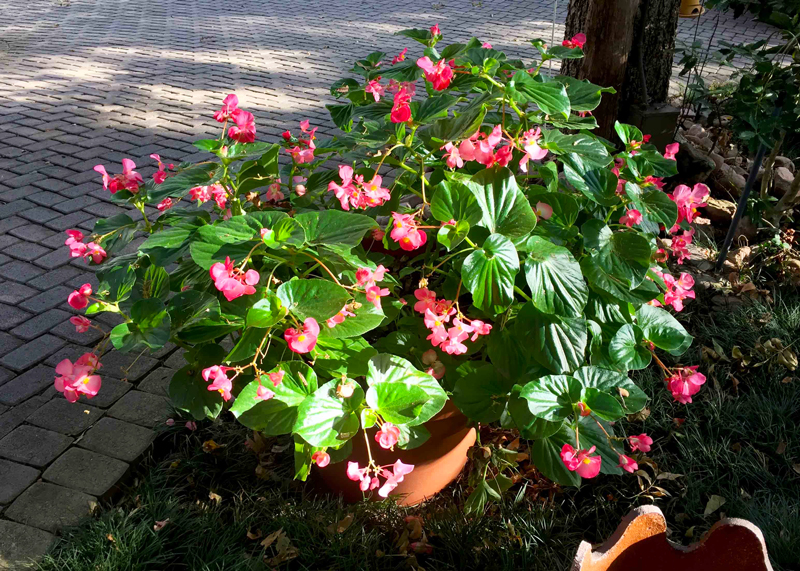
• Wax begonias. These are best in morning sun, afternoon shade. Bronze-leafed types are more tolerant of sun. Green-leafed types need almost total shade. Flowers are red, pink or white. Dragon Wing hybrids are large-leafed, large-flowering types. They’re nothing short of fantastic.
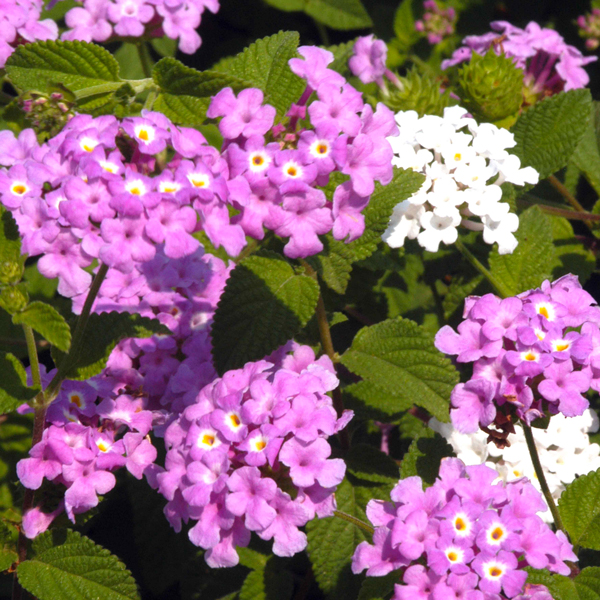
• Trailing lantana. Various varieties produce flowers in shades of white, orange, orange-red, yellow, and lavender. New Gold and trailing lavender are the two most popular. These are perennial in the southern half of the state.
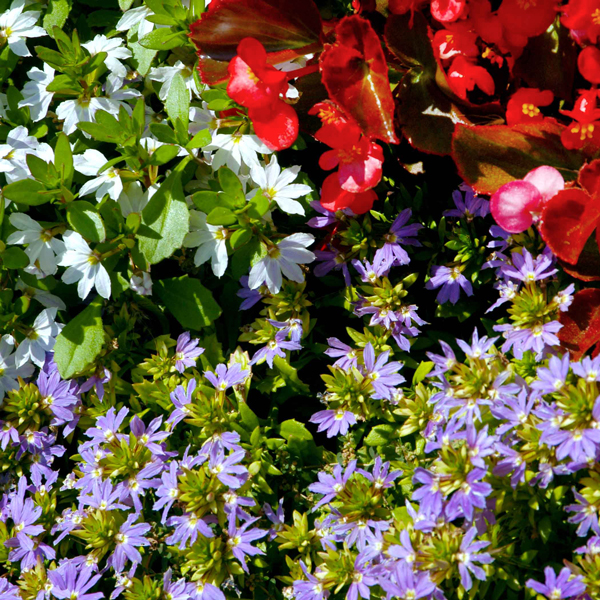
• Fanflowers. This Australian plant has really caught on in past 30-35 years. It produces blue or white flowers on trailing plants. They’re good for bed edgings and containers. I buy hanging baskets and repot them into large patio pots for instant great looks. These grow well in sun or mostly sun.
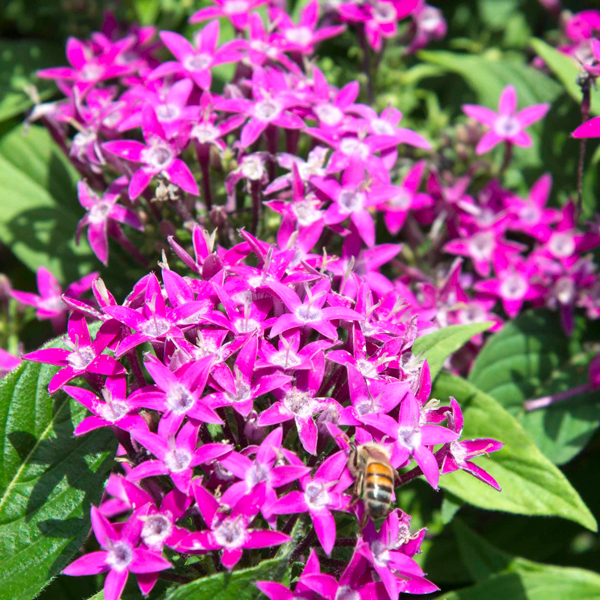
• Pentas. These had always been around, but they were too tall. New hybrid types stay short and bloom non-stop all summer and fall. You’ll find them in shades of red, pink, white, and lavender. Depending on the varieties, they grow to 12 to 16 inches tall.
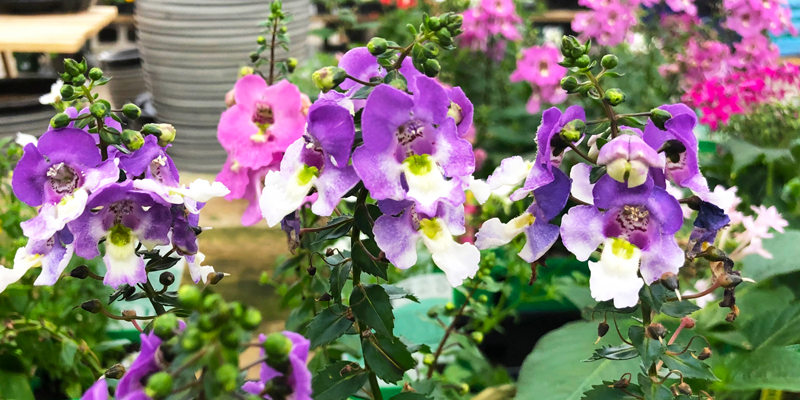
• Angelonias. These are comparative newcomers to our list. They’re also occasionally referred to as “summer snapdragons” because the plants and flowers bear some slight resemblance. They’re handsome in pots where they can be the “thrillers” (upright plants in centers), or they can also be massed in beds. They’re good in sun or part sun, and they will stay in flower for months.
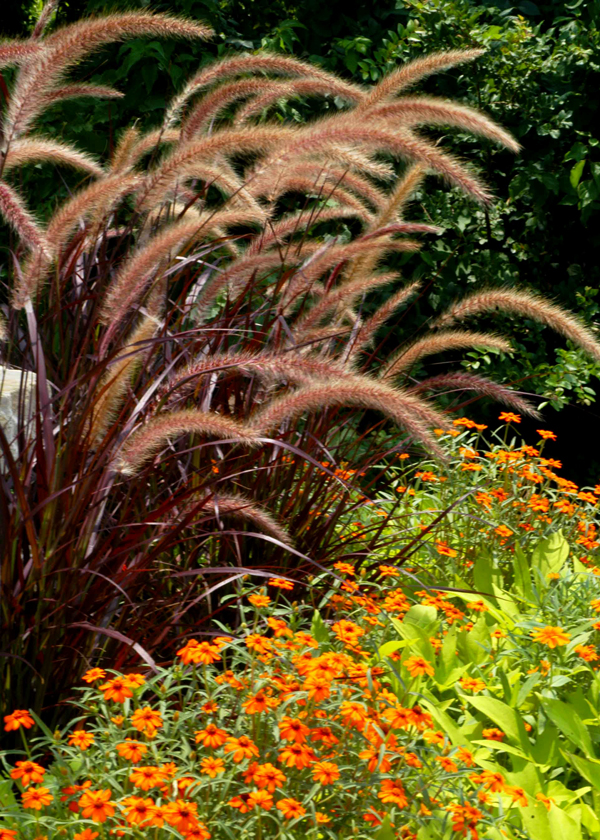
• Purple fountaingrass. Everyone likes this graceful plant. It’s another fine “thriller” plant for patio pots. Its best color and plume formation come when it’s grown in full sun. It’s good in backs of beds as well. This is one ornamental grass that is not winter hardy in most of Texas – only in South Texas.
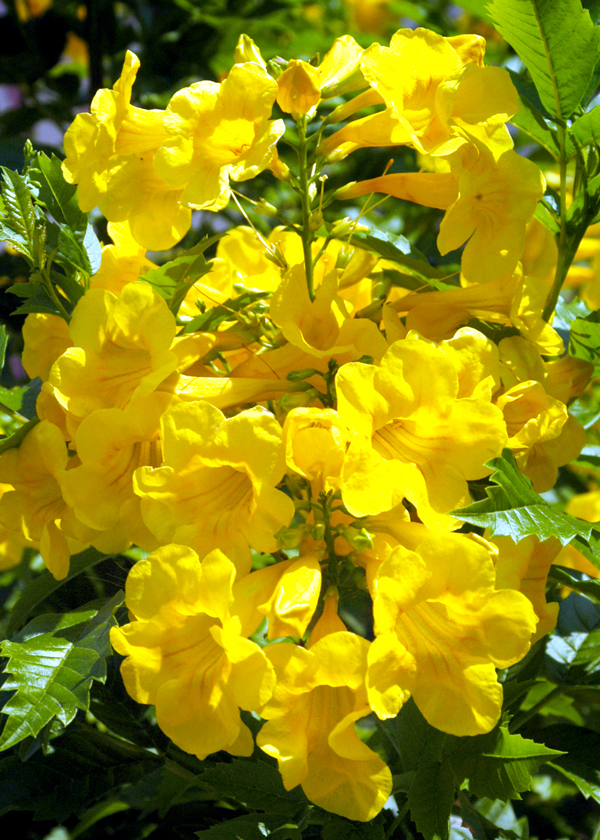
• Gold Star Esperanza. Drs. Greg Grant, Jerry Parsons, and Steve George with the Extension Service brought this to us more than 25 years ago. It’s a very improved selection of a native Texas plant, chosen for its prolonged flowering season. Its blooms are brilliant sunray yellow borne atop deep green foliage. It grows into a mounding woody plant in South Texas, or it can be used as a tall container plant anywhere else. Be sure you buy plants with the ‘Gold Star’ label or you may be getting an inferior seedling.
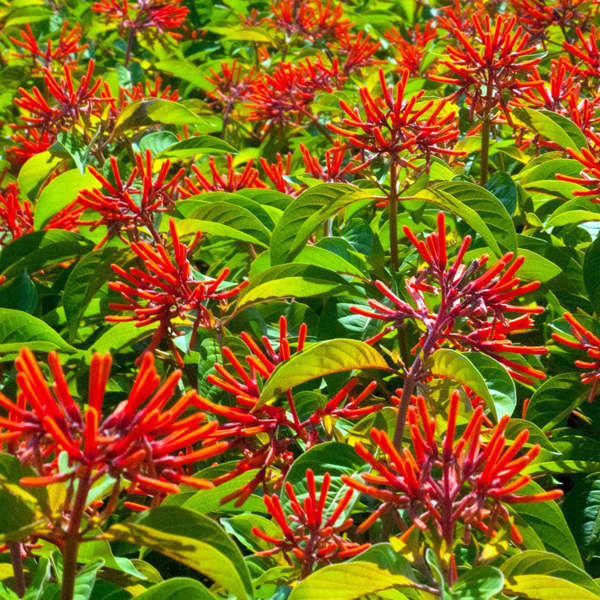
• Firebush. This is another introduction from the same three Extension Service specialists. It’s a great plant that is a favorite with hummingbirds. In the fall its foliage turns copper colored to match its flowers. It’s great in sun, and it will bloom non-stop until frost. It will show up in a few weeks in North Texas nurseries, sooner in warmer South Texas.
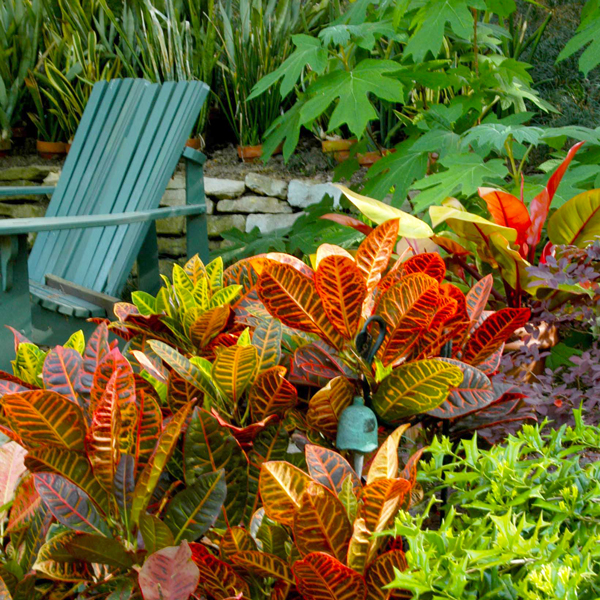
• Crotons. These are an odd entry here, since the plants are often considered to be houseplants. But Texans are growing them as outdoor plants in landscape beds. You can also start with 2- or 3-gallon pots in spring and use them as lovely summer and fall annuals. Their best color comes in the sun in spring and fall and in morning sun and afternoon shade in the summer.