
LAQ about shade trees
I keep a log of every call I take on my radio programs. I’ve done so for all 48 years I’ve been on the air. When it comes to shade trees, here’s the one that’s come up most often.
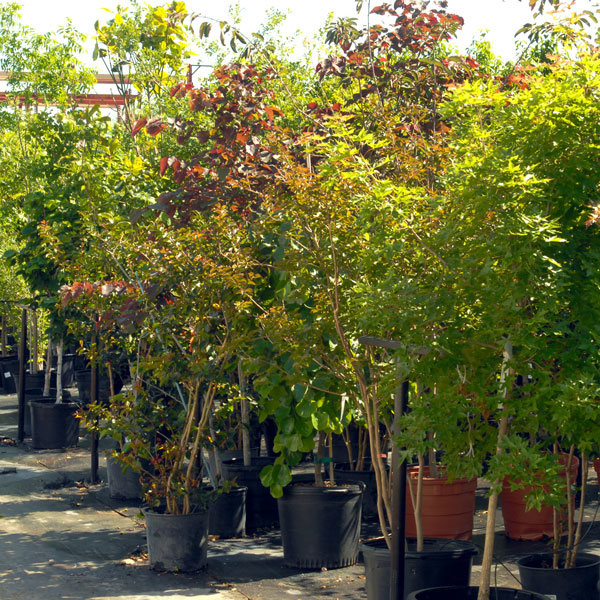
The FAQ about shade trees…
“What’s the best fast-growing shade tree?”
Unfortunately, that list is very short. I can’t think of any. I often will ask the caller to make a list of other attributes that might matter. I help them develop the list. We eventually end up with these:
• Fast growth
• Site adaptability (to soils and climate)
• Proper size and growth form
• Good looks
• Longevity
• Pest resistance
Then I ask them to compare “fast growth” against each of the others and then to put them in order of importance. “Fast growth” always comes in last. That’s when they realize there are other things that matter more.
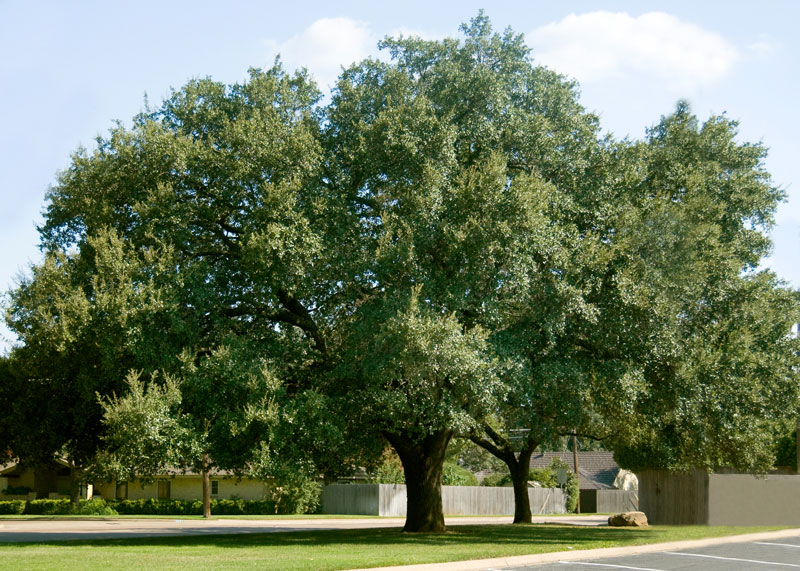
And then, moving on…
That’s when I come up with my second question – the one I’ve never been asked in 48 years. The least-asked question from gardeners.
The LAQ about shade trees…
“What are the best long-lived shade trees?”
If I ever got that question I’d know I was talking to someone who really appreciated quality. That would be someone, probably a grandpa or grandma, who wanted to plant something for future generations. I believe I’d like that person a lot. We need more of them.
That list would center on oaks. For most of Texas it could be live oaks, Shumard red oaks, bur oaks, and Chinquapin oaks. For large landscapes it might include pecans, southern magnolias, cedar elms, and Chinese pistachios.
Those are all trees that have chances of living 100 years and longer – the oaks perhaps to 200 to 400 years. That’s real staying power. And they do so without major problems. That’s a lot better than a fast-growing tree that would be subject to all kinds of insect and disease issues, nutrient problems, ice and wind damage, and a short life expectancy.
So, our parting thought for the day: when you go shopping for shade trees, buy for quality and durability, not just for speed.