
Plugs might be a quick fix
My little Garden Tip is going to involve a trip back into my teen years, some imagination on your part, and some sound horticultural advice.
When I was a kid, I did a lot of landscaping. I put in new lawns, and St. Augustine was the turfgrass of choice in South Central Texas where I lived. That was a long time ago. It was before we had “varieties” of St. Augustine. It was all just the same. And sod farms probably existed, but most St. Augustine was dug out of one yard and handed off to a neighbor.
That’s what I did as I landscaped. I “edged” our walks and our fences to gain pieces of sod I could put in my dad’s pickup to take to a homesite. I’d cut it into 6-in. squares and plant those squares on 18-in. centers checkerboard-style.
I would water and feed the new grass, and I’d leave instructions behind for the homeowner to repeat that process on a regular basis. I’d check back every few days, and within a couple of months their lawn would be covered with St. Augustine.
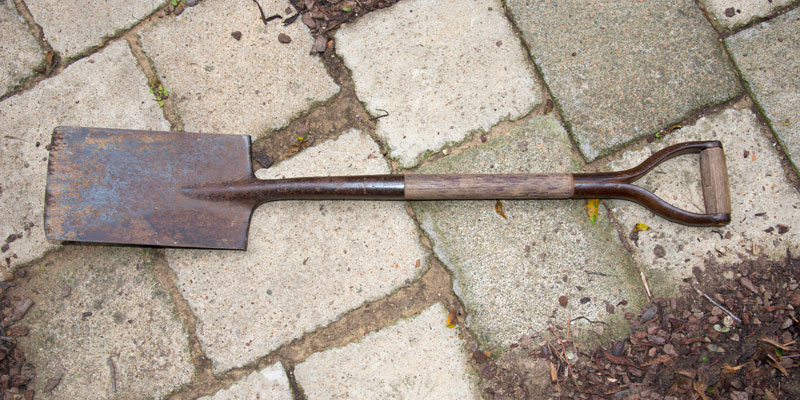
I used a flat-bladed nursery spade to do all that cutting. My dad gave it to me for my 16th birthday. I still have that old spade out in the garage. It’s retired now. It’s on Medicare – 66 years old and its handle is a little wobbly. (I know the feeling.) But that spade planted many lawns back then and clear up to our current one where Lynn and I have lived for 48 years.
I did things a bit differently here, though. I bought pieces of sod at a sod yard – Raleigh St. Augustine, because I wanted its resistance to the fatal St. Augustine decline virus.
Important fact to remember: St. Augustine is the dominant turfgrass. It will overtake bermudagrass and zoysia, so if you want St. Augustine turf, all you have to do is plant it and wish it well. It will do all the rest.
We had bermuda, but it was starting to fail due to shade. I spent one cool spring morning cutting holes in the bermuda with my old spade to make room for the new pieces of St. Augustine that I’d be planting the following morning. Then I carefully cut and fit each plug in place and sprinkled loose topsoil around them. I watered them by hand daily for a week. One month later they were already starting to spread.
Spacing…
When you plant plugs, they’ll need to be separated on 12- to 16-in. centers if you want them to cover in one season. That assumes a spring planting. Closer plantings and larger plugs give faster coverage.
“Store-bought” plugs…
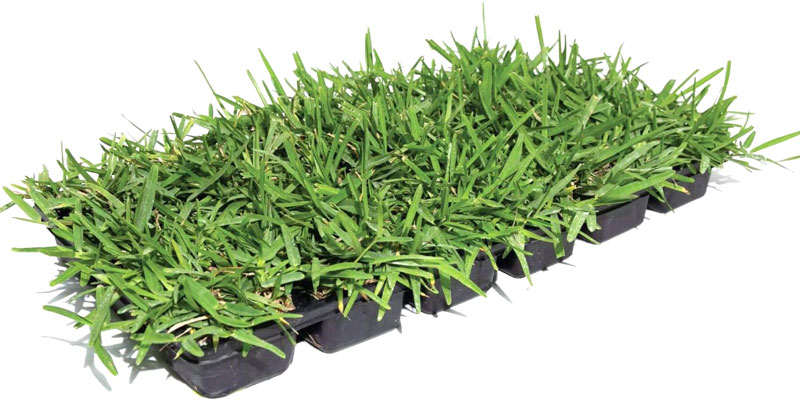
You can do something similar with St. Augustine plugs you buy at your local nursery. They may have a special tool sized to match the plugs they’re selling. Or you could use a narrow sharpshooter spade to cut the divots to make room for their insertion. Either way they’ll slip right into place.
Two warnings…
If you use those store-bought plugs:
1. Be sure you know what variety of St. Augustine you’re buying and double check that it’s well suited (tolerant of the winters) in your part of Texas, and
2. Be certain that excessive shade didn’t cause the bare ground where you’re planning on setting the plugs. St. Augustine may be our most shade-tolerant turfgrass, but even it needs 6 or 7 hours of direct sunlight for its best growth.