
Easier Landscapes
I’ve grouped my tips toward easier landscaping into several main categories. Let’s see how they read.
• Start with a plan. You wouldn’t build a house without a blueprint. You wouldn’t take a trip without some kind of map. You need a plan for your landscape. Put it down on paper, and it should always be drawn to scale. No fast sketches on envelopes. Find printable graph paper on your computer. Print it to a scale you can use, and draw your plants in at their mature sizes. It’s a lot easier to erase and redraw than it is to dig and replant.
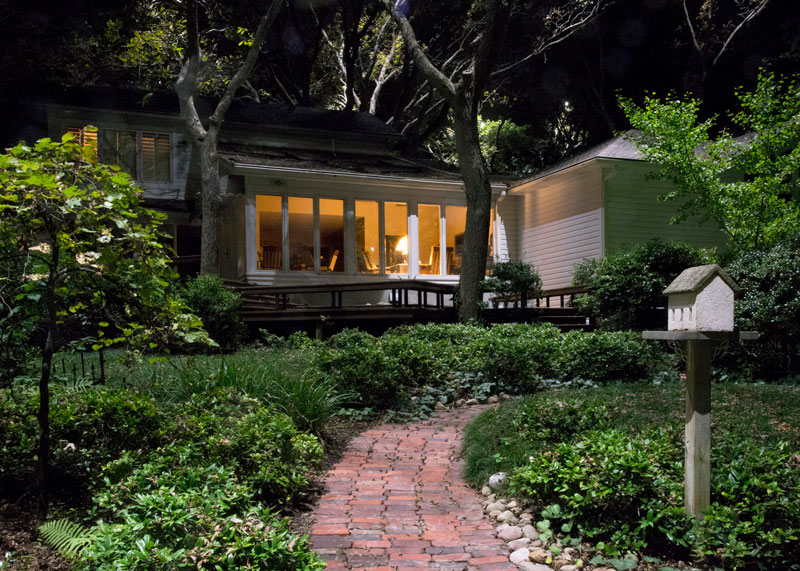
Sometimes your plans must change. Our deck was configured to fit within a massive native outcropping of eastern redcedars. As they gradually lost all their lower branches, I removed them and opened our backyard up. That allowed me to lay antique street pavers in as a garden walk and use shade-loving shrubs, groundcovers, and small accent trees as our landscape. (Turf was out of the question due to the shade.) I’ve used colorful globes, the garden art church, bird feeders, tropical plants, and antique wrought iron fencing as my substitutes for annual flowers.
• Use only adapted plants. Why choose a tree or shrub that’s doomed to freeze or heat damage in your part of Texas? Why choose one that can’t grow in your soil? Oh, and “native” doesn’t necessarily mean “adapted” to your area. Just because a plant grows in Beaumont doesn’t mean it will grow well in El Paso. The same goes in reverse.
• Where to find help. Lean on a Texas Certified Nursery Professional to look over your choices and weed out any bad decisions. They’re full-time “plant people” who usually work at independent retail garden centers. They know everything there is to know about the plants that they’re selling.
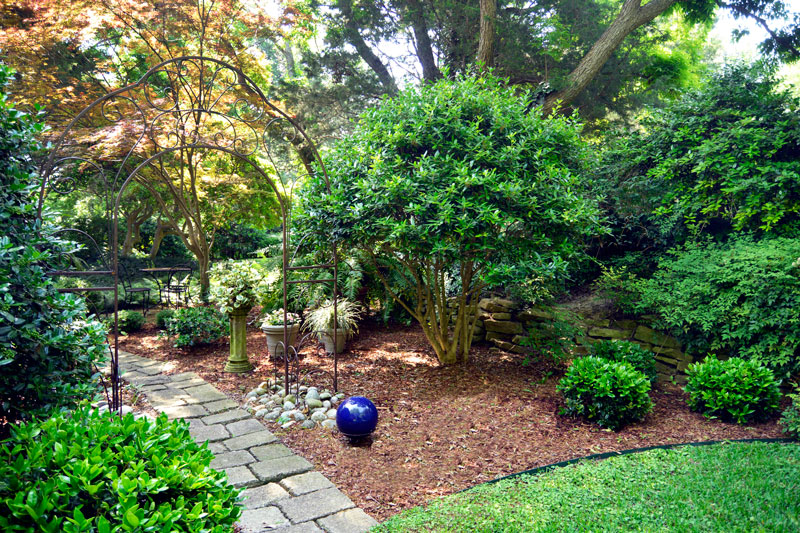
• Learn about your plants. Choose plants whose mature heights and widths fit the spaces you have available for them. No more tall shrubs beneath short eaves. No more wide shrubs against entryways, drives, or streets where they’ll have to be flat-sided to allow traffic flow. Once again, do your homework ahead of time, and ask that Certified Nursery Professional.
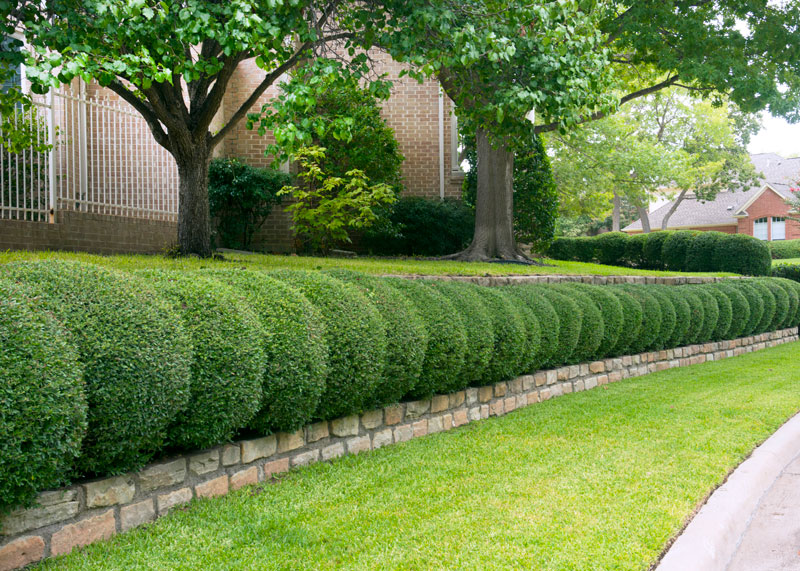
• Avoid formal pruning. I know, there are times when a really formal landscape looks stunning. But, if you’re trying to minimize maintenance, this is a great place to start. God didn’t create plants in cubes and globes, and we might be well advised to let them grow in their own natural forms. Save pruning only to correct erratic growth that takes them far off course.
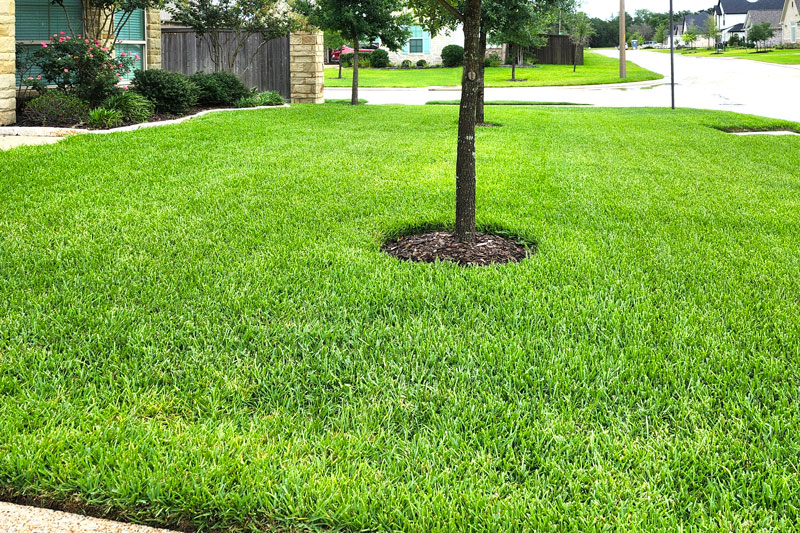
• Plan for responsible lawn care. The best way of having an attractive, weed-free lawn is to keep it healthy and vigorous. Mow regularly at the recommended height. Use appropriate weedkillers and fertilize at times recommended for the type of turf that you’re growing. Having good turf isn’t difficult. It just requires following a good routine.
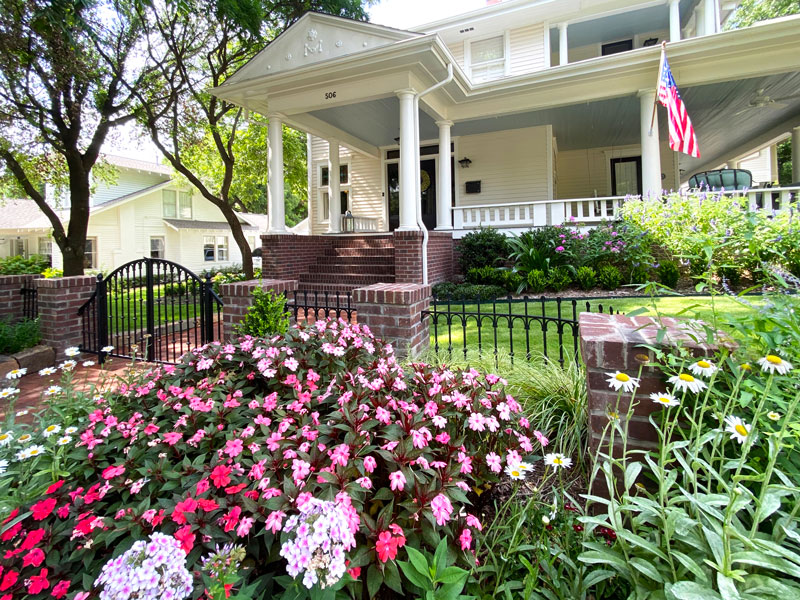
• Plan color wisely. Get maximum impact. Everything you add to your gardens brings its own colors (hardscapes, trees, shrubs, and vines). Perennials are great. However, annuals give the greatest colors over the longest periods of time for ultimately the least work.
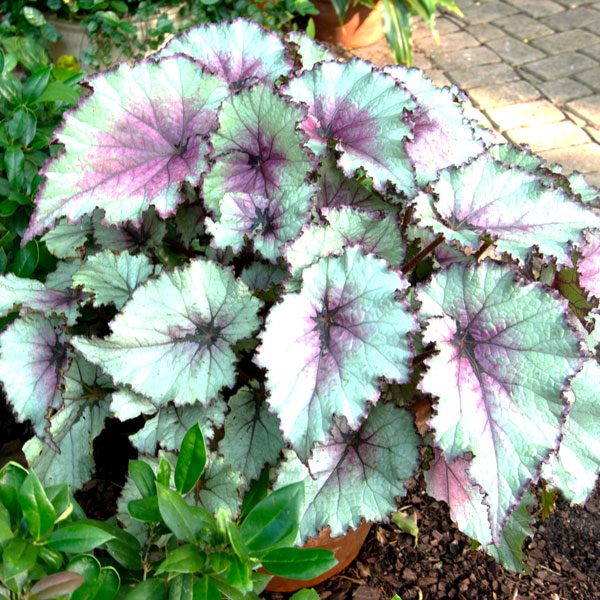
Let your nursery professional guide your choices, and plant types that hold up to the heat and cold of Texas summers and winters. Plant color in large pots for use at entries and on patios and decks. You can get more color in prime spaces more affordably and for less labor.
• Avoid quack products. Texas is full of them. Miracle soil additives that will stimulate microbes or activate enzymes. Our state has no “proof of claim” laws on these things as long as they don’t claim to add nutrients.
Watch out for miracle grasses or grass seed that claim to grow where other grasses have failed. Those are rip-off marketing of junk products. If you need turfgrass, work with a sod vendor. They’ll give you straight facts.