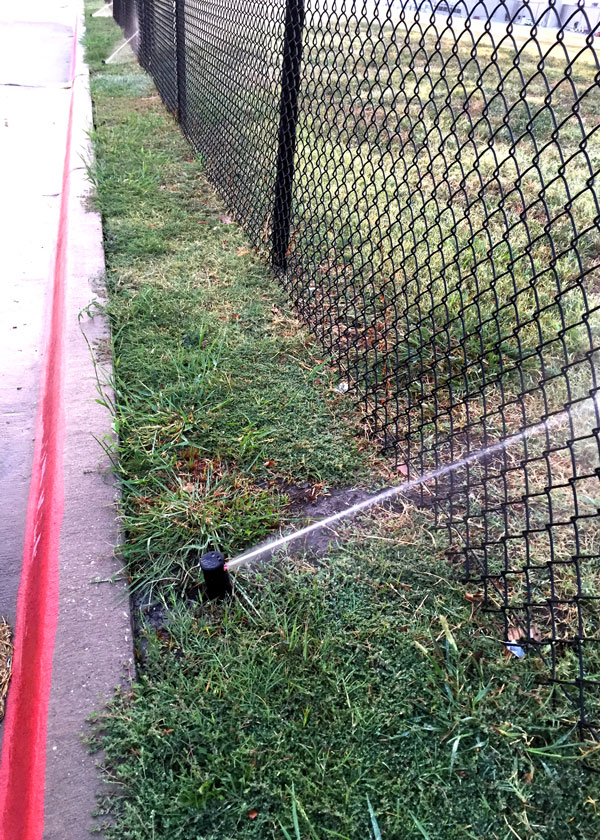
Saving water saves money
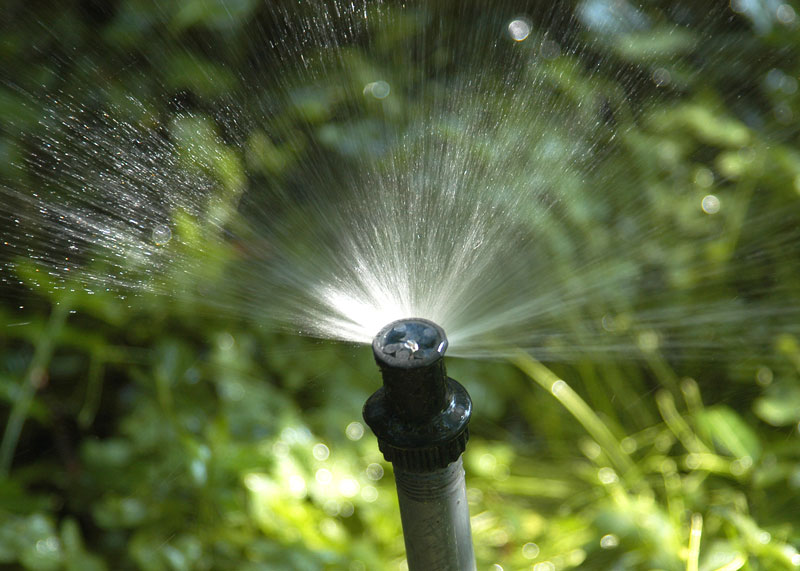
We’ve all been seeing the drought monitor maps for Texas. Some of us have been living within those darkest red areas.
At the same time, other parts of Texas have reservoirs that are full or nearly full. It’s not really fair, is it? But my old contention is that the next raindrop could be the beginning of the next drought, so wise Texans start conserving water each time they turn on the faucet. Let’s examine some ways we can save water.
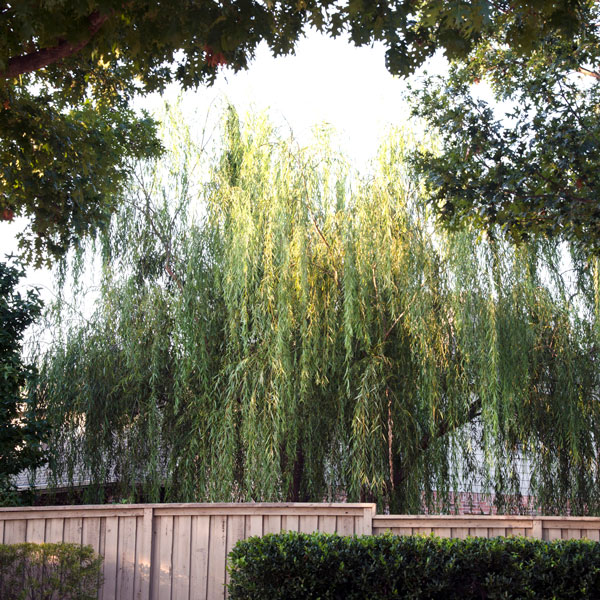
• Start with adapted plants. They don’t have to be “native” plants – just types that are suited to Texas’ hot, dry summer conditions. Your local Texas Certified Nursery Professional can help with your choices.

• Prepare soil carefully. Incorporating organic matter and expanded shale will loosen tight clay soils, so water can penetrate more efficiently. The organic matter will also help the soils retain moisture.
• Water deeply. Then wait until the plants begin to dry before watering again. While I disagree with the claim that “more plants die of overwatering than die from drought,” there’s certainly no need to waste water if your plants don’t need it.
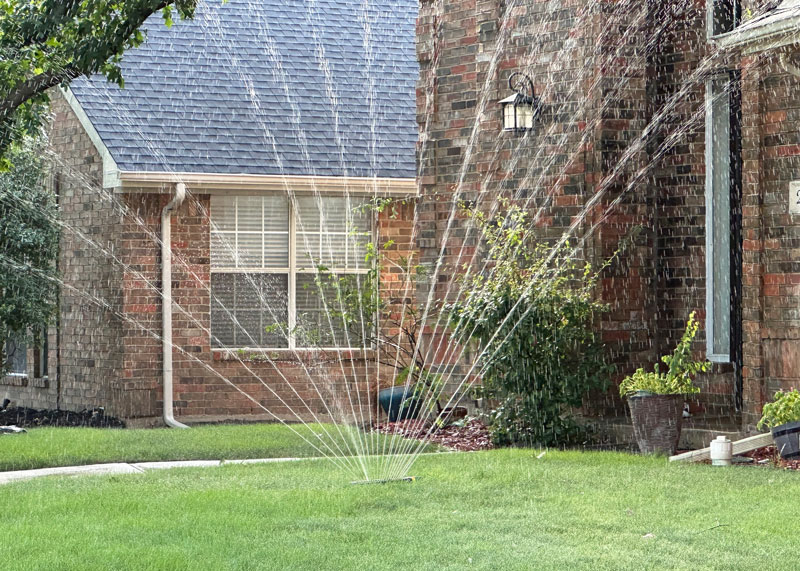
• Water when it’s cool and calm. That’s why many cities require you to water between 6 p.m. and 10 a.m. Water losses to evaporation are lower then. Best time to water if you have an automatic system? Between 2 a.m. and 8 a.m.
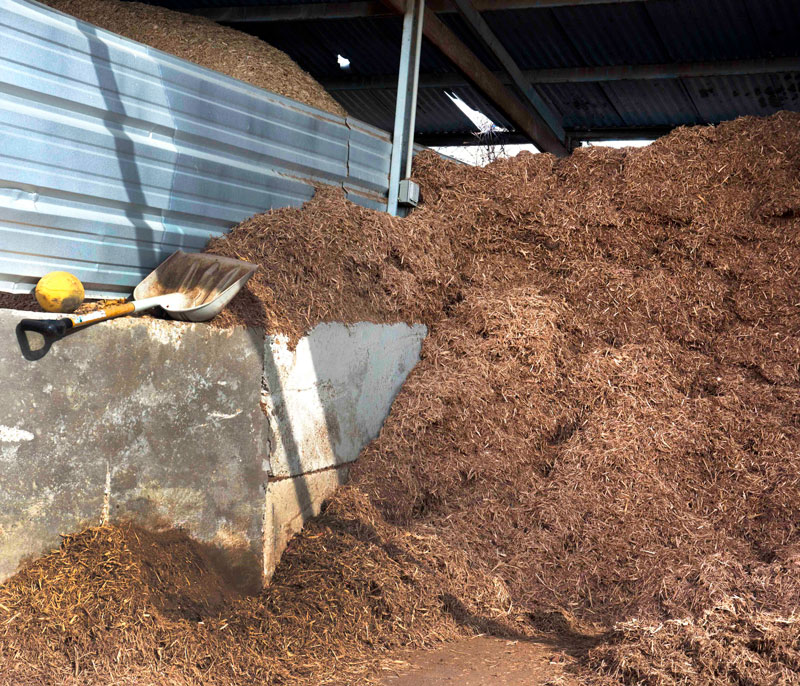
• Eliminate weeds. They’re water hogs. Use mulches to prevent germination. Remove weeds manually (with a hoe or mini-tiller). Apply an appropriate weedkiller spray but be certain it won’t harm desirable plants nearby.
If you have a sprinkler system…
• Have a “smart” controller installed. It will monitor plant types, soil and slopes, weather conditions and then determine when the sprinklers should run. If you’re handy you can install it yourself, but many of us hire licensed irrigation contractors to get it done right. It will start saving you water and money immediately.
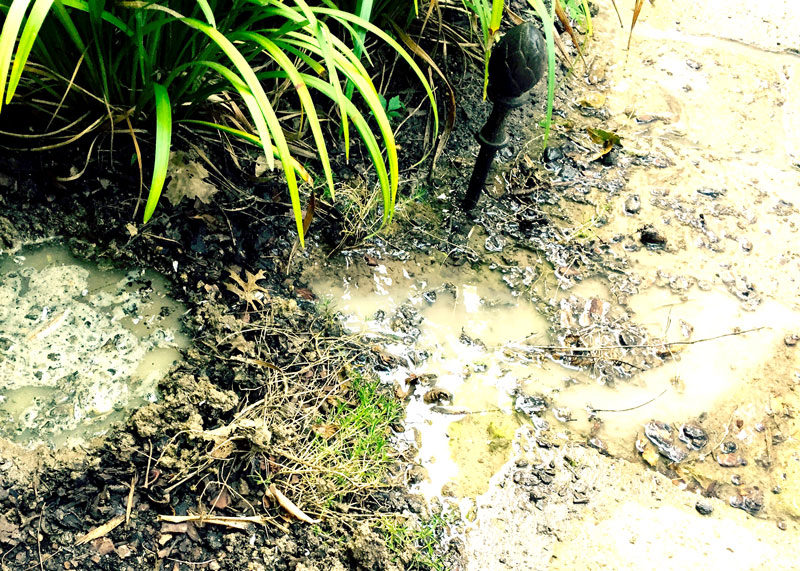
• Run an “irrigation audit.” You can do much of this yourself – with the help of a friend or family member. Have someone advance your system manually through all its cycles while you check station-by-station for signs of missing, broken, misaligned, clogged or blocked heads, then take any necessary corrective actions. You’ll be amazed at how simple most of those repairs can be.
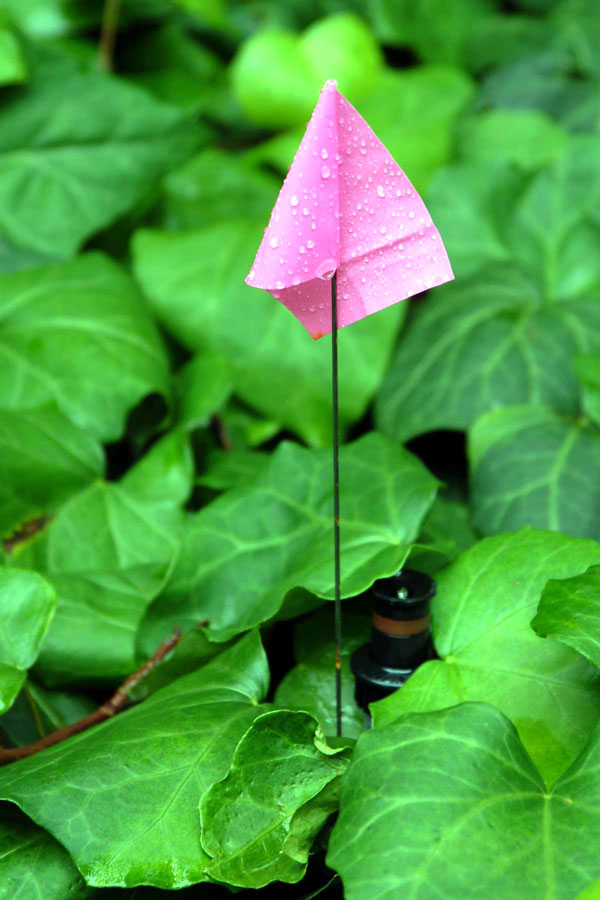
If you do get hit with water rationing…
Be thinking ahead to which plants are most important in your landscape. Which cost the most to replace and which take the longest to regrow?
Most people would think first of their shade trees, but the fact is that trees normally compete well with turf, shrubs, and other plants in the landscape. If you’re watering those other plants, the trees will probably get what they need.
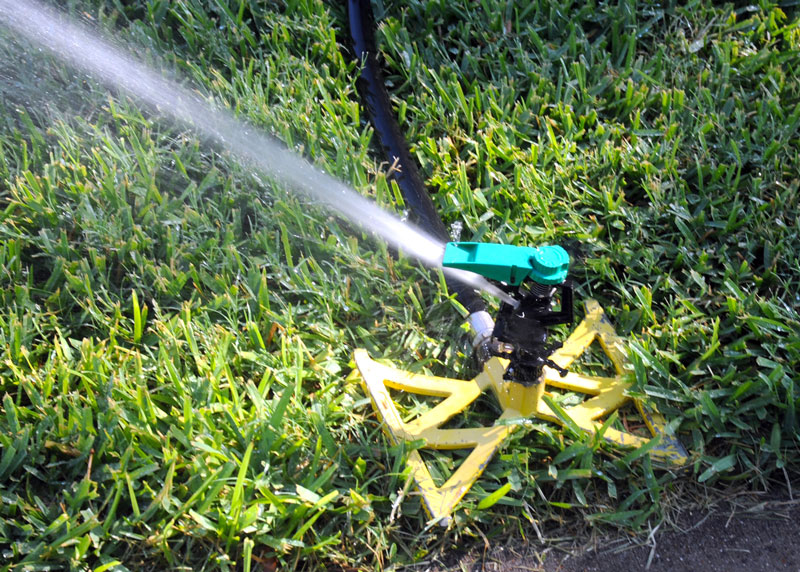
If you do have to water them, use a soaker hose coiled up in a wide swath around the tree’s drip line (outer canopy of its branching). Let it run very slowly for many hours to soak deeply into the ground without any runoff. Move it every few hours to a new location a few feet away. You won’t have to do that more than a couple of times every summer.
The plants I worry about most are my shrubs and groundcovers. They usually take several years to develop to mature size and shape, and those are usually years I don’t want to have to repeat. Just one or two soakings per summer can often spell the difference between helping an Asian jasmine bed pull through and losing it entirely.
I worry, too, about new plantings made this past spring. Their roots are within their original nursery soil balls so they dry out quickly. Water them by hand, even to the point of recycling gray water if you must.