
Asian jasmine of a different color
Anyone who has gardened for more than a few minutes in most parts of Texas is familiar with the robust dark green foliage of Asian jasmine. It came into our market in the late 1950s in South Texas, and it remains the most popular full-sun groundcover across Texas today.
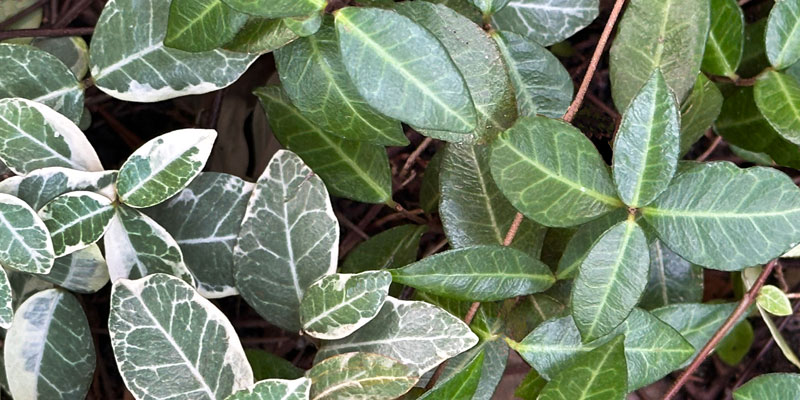
However, there are times when you want something a little different, and that’s why this plant caught my eye way back in 1978 as I was wandering through the old Germany’s Nursery in Fort Worth (now long since closed). I bought one 1-gal. plant just to give it a try, and I planted it along our rural gravel driveway north of the Metroplex.
That little plant has spread over those years to cover maybe 250 square feet. I keep it trimmed or it would be larger. It’s survived two stints below zero, and several times above 110F (including two days at 109F this week when I took most of my photos). It’s a tough little plant and I love it.
The nicest thing about variegated Asian jasmine is that it offers a crisp range of colors against the dark greens of my hollies, liriopes, mondograss, and other evergreens that surround it. It sparkles where flowers won’t grow.
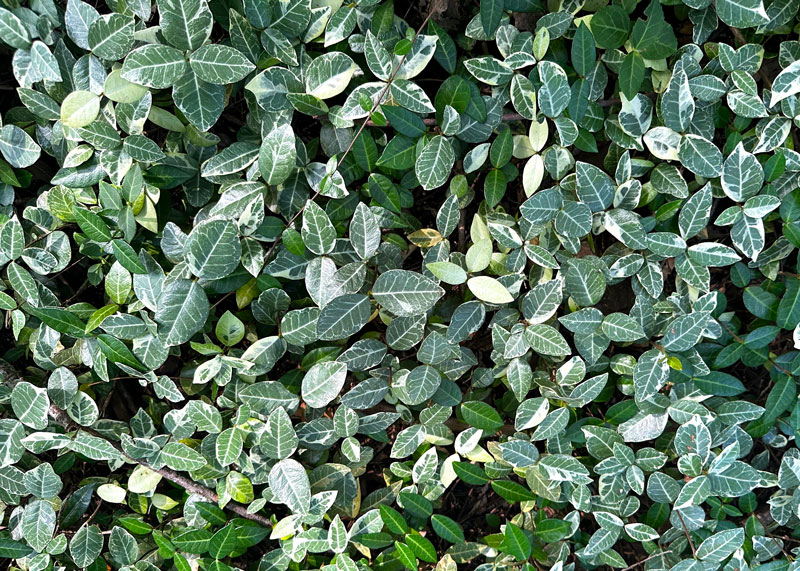
I’ve never seen an insect or disease bother it. Once or twice, I’ve forgotten to pull frost cloth over it during a cold spell and the top growth has turned brown for the rest of the winter, but the planting has always bounced back with vigor the following spring. And, if I cover it with the frost cloth, it comes out looking as if nothing had happened.
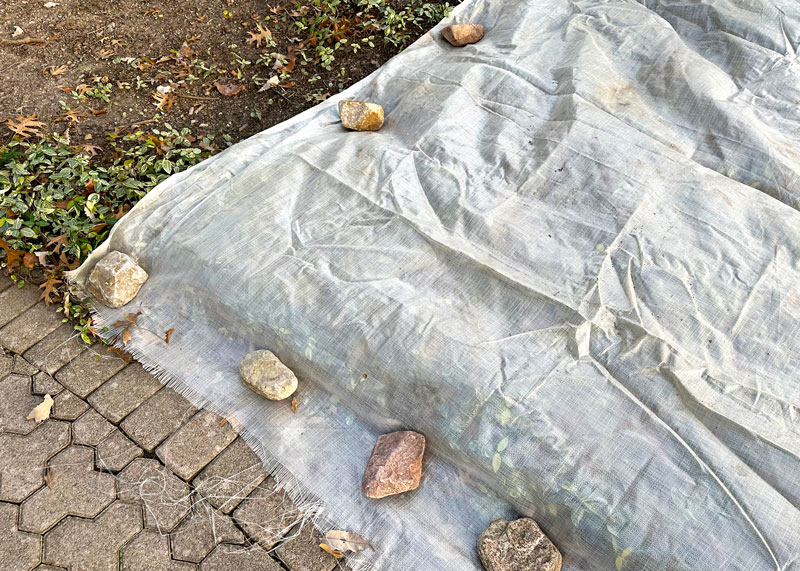
The only downside with variegated Asian jasmine is that you don’t see it in nurseries very often. But it’s out there, and many nurseries can order it in for you, especially in spring when they’re getting trucks every couple of days.
Prepare its planting bed carefully. Apply a glyphosate weedkiller to eliminate all the bermudagrass and other weed grasses. Wait 2 weeks, then rototill 6-8 in. and work 3-4 in. of organic matter into the top foot of topsoil by rototilling again. Set out 1-gal. plants on 16-in. centers and water deeply to get them started.
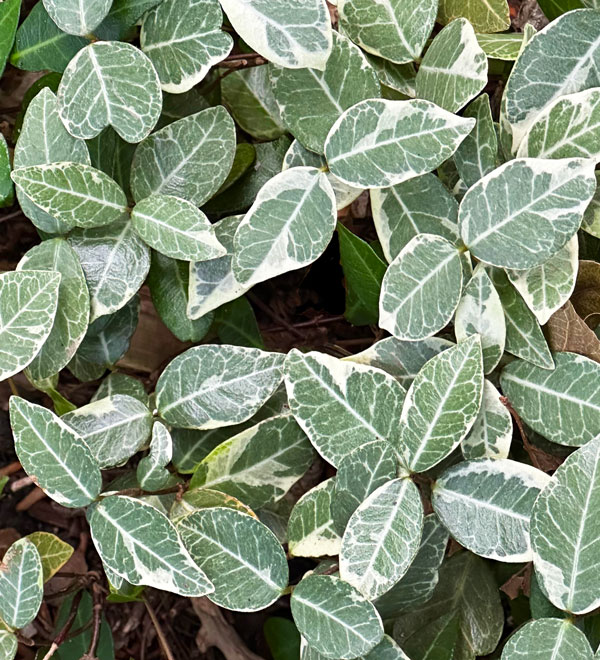
Spring is the best time to plant any new type of Asian jasmine. That gives it the longest time to establish itself before winter’s cold weather arrives. If you’re in South Texas, you can actually plant now. Just be prepared to pull frost cloth if temperatures are expected to drop into the teens.
There are a dozen or more variants of Asian jasmine in the nursery marketplace currently. Many of them are in limited supply, this one included. But that just makes the search more rewarding when you do find it. In my opinion, this one is really worth the extra effort.