
Your lawn’s worst enemy
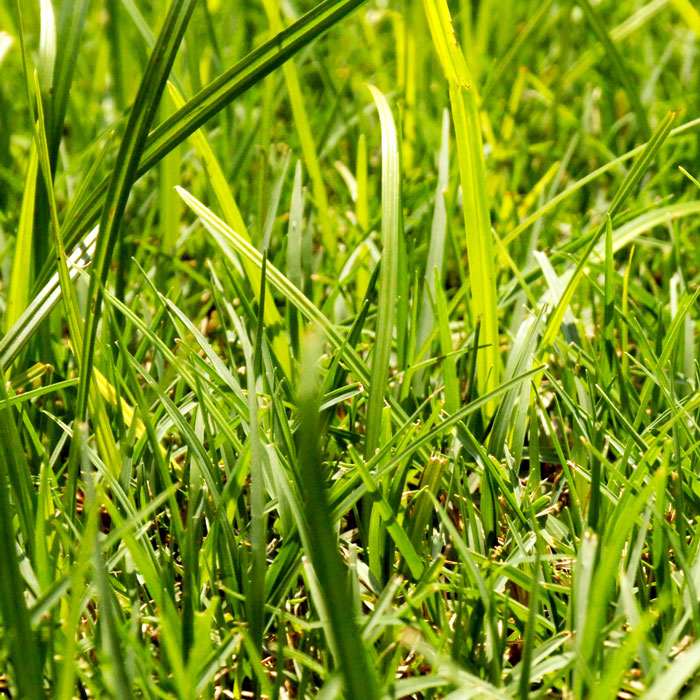
Anyone who has tried to keep a good-looking lawn or a well-tended garden or landscape knows the fright of seeing nutsedge pop its ugly head up through the soil. For decades we had few if any reliable controls, and hand-digging just seemed to make it worse.
Don’t try to pull it!
Eradication guidelines…
• Identify it precisely. Nutsedge (all sedges, in fact) has triangular stems. Roll a stem between your thumb and index finger and you’ll be able to tell. Grasses have round stems.
• That’s critical because grass killers don’t work on nutsedges. The plants may look similar, but they’re not related.
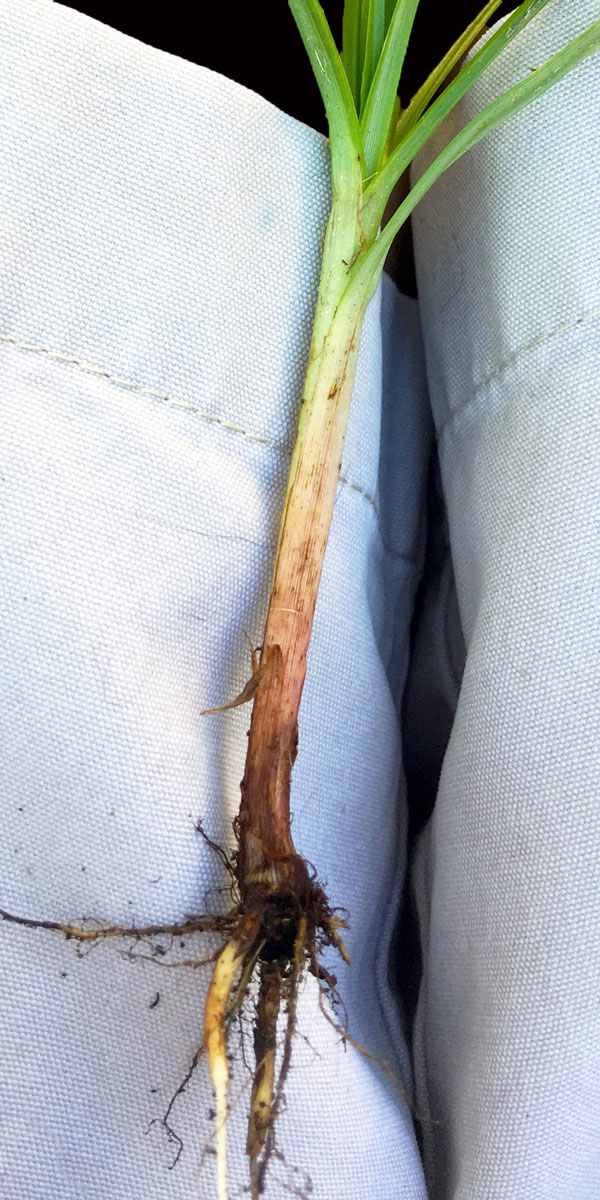
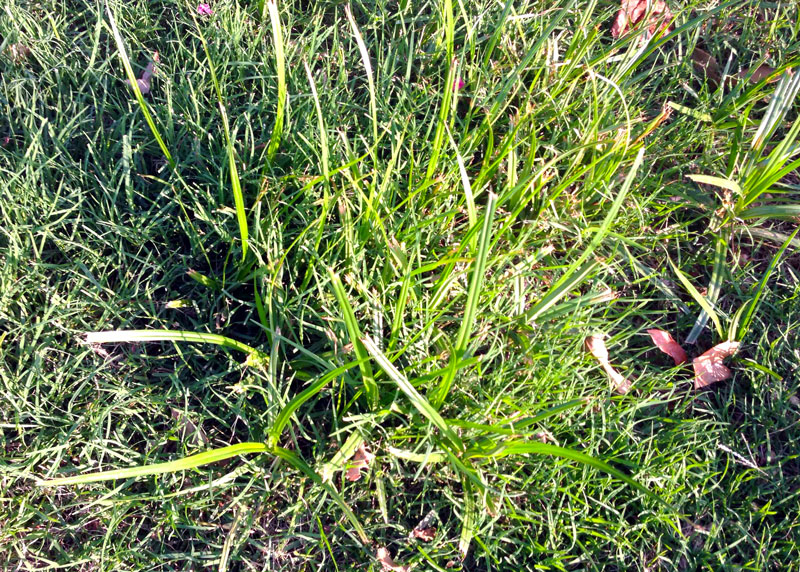
• Nutsedge plants will always be solitary. They’ll emerge with 4 or 5 leaves clustered together.
• “Nutsedge” gets its name from the swollen growths on its root systems. They look like tiny coconuts, and when you try to pull the nutsedge plants out. they break loose and create all that many more plants.
• Sedges, including nutsedge, are native to moist or wet lowland soils. When we buy topsoil and have it brought in, we often introduce the weed to our landscapes.
It also comes in with rolls or pieces of sod. Examine the backs of sod carefully. If nutsedge is present, you’ll see the severed nutlets where they have been cut as the sod was harvested. Decline that sod immediately and emphatically. In fact, tell the sod vendor when you’re placing your order that you will not accept any sod delivered that is contaminated with nutsedge.
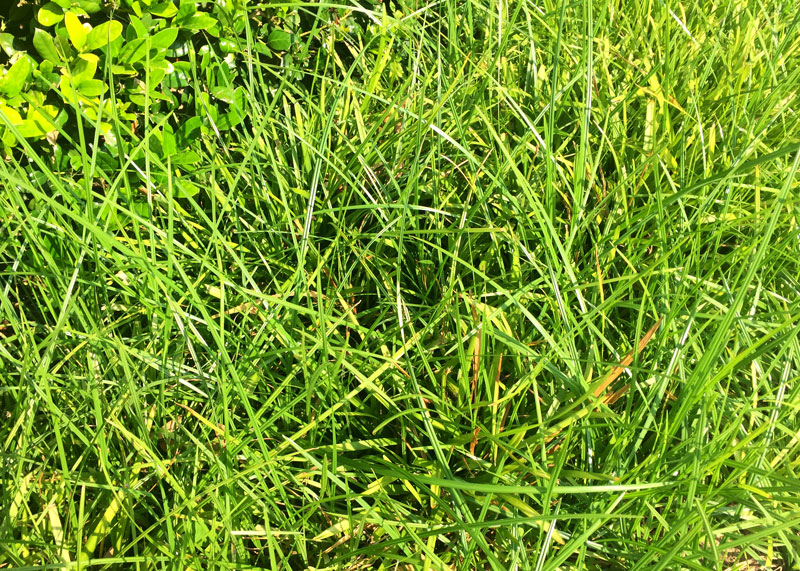
• Image was the first product brought to market to control nutsedge in lawns and landscapes. That was 35 or more years ago, and it was a game changer. It can be used on both St. Augustine and bermuda. Two applications are required 30 days apart, and both should be made between May 15 and September 15. That means that if you intend to attempt eradication in 2026, you will need to make the first application sometime in the next week (by August 15). Be sure you buy the “original Image” labeled for control of nutsedge. Subsequent products contain other active ingredients that are for different purposes.
• Sedgehammer is another option, often used by commercial applicators. It, too, offers good control of this weed.
In both cases, read and follow label directions carefully. And be patient with your efforts. It may take a couple of seasons to see the weed disappear completely. Remember: you’re dealing with perhaps the most tenacious weed we have here in Texas. You can control it, but it won’t be easy.