
I wondered if they’d bloom this year
This is not the first time I’ve written about oxblood lilies in our Texas landscape, and it probably won’t be the last. They’re some of the most dependable fall bloomers at a time when other plants are shutting down for the season.
These little babies pop out of nowhere. In fact, this planting is way up the hill along the county road in front of our house. The bed does get some irrigation – unless someone has driven over the sprinkler head (again). Otherwise, they’re pretty much up there doing their own thing knowing I love them.
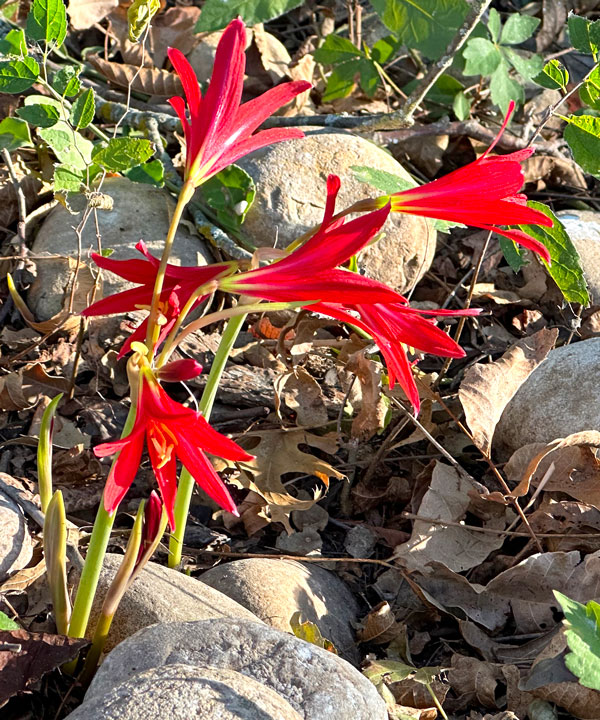
As all Texans are aware, this has been a long and brutal summer. Hot, and for most of us, very dry. I wasn’t sure my little oxblood lilies were going to bloom at all. Their first flowers traditionally have come in early September, but this year there was nothing – nothing until the last few days of the month.
Oxblood lilies send their flower stalks up overnight. One day you have no idea they’re about to bloom. The next day you see buds (if you’re looking closely), and the next day there will be a sprinkling in full bloom. Within days you’ll have a fully blown festival of flowers.
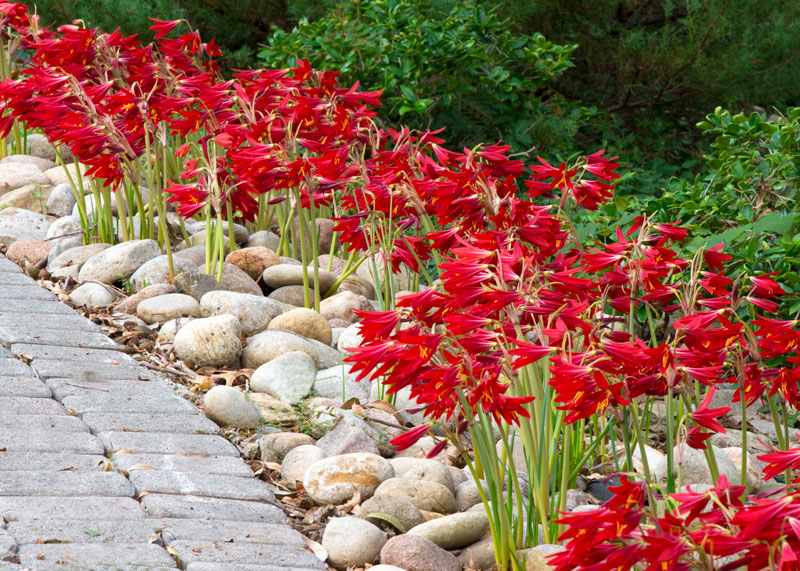
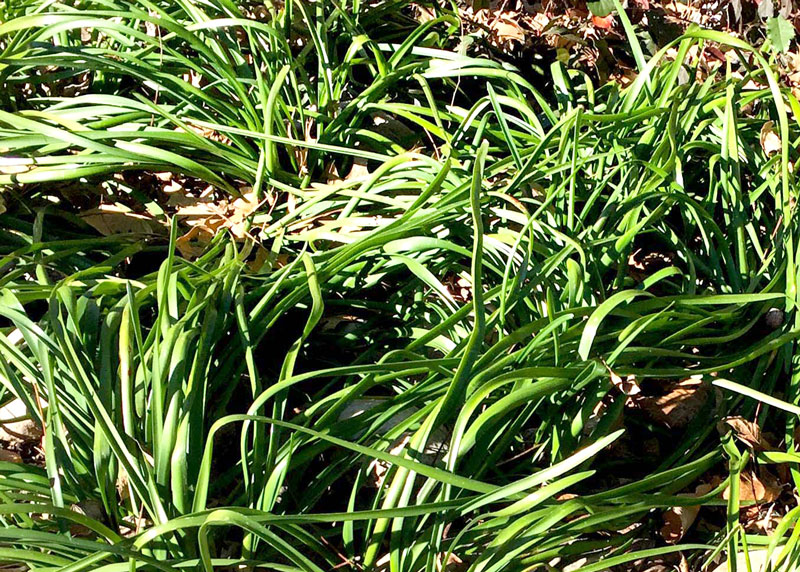
That round of blossoms lasts a week, then they shut down, and about 10 days later, here comes another round of flowers. In our gardens we normally get three rounds of blooms each year, and then, a week or two later, the leaves start to emerge. Those leaves survive the winter and persist until late spring. At that point they turn yellow, then brown, and then they die back to start the whole process over again.
Oxblood lily bulbs are available in better local garden centers in mid- to late summer. You can also find them from the best online bulb sources. I’ve even bought them from Etsy and eBay, but you really must be careful to buy only large, flowering size bulbs, not just tiny offsets. Read the descriptions carefully.
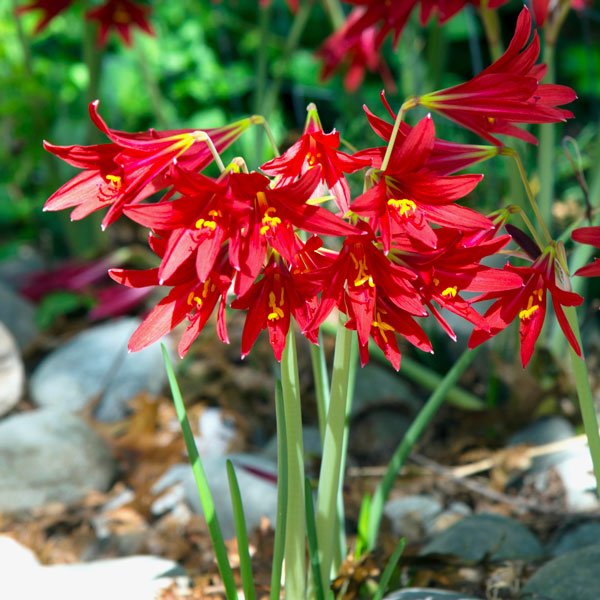
What you’ll need to know to succeed…
Common name: Oxblood lilies, schoolhouse lilies, hurricane lilies (both of last two names because of the time of year when they flower).
Scientific name: Rhodophiala bifida.
Native home: Argentina, Uruguay.
When first planted in United States: German plantsman Heinrich Oberwetter brought them to Central Texas in the 1850s and fellow Germans shared them around their communities there. Many still exist around old homesites all this time later.
Annuals/Perennials: Perennials growing from bulbs.
Height: 12-15 in. while flowering.
Flowers: Crimson red, trumpet shaped. Some variations exist in the nursery trade.
Soil preferences: Well-draining. Does well in most soils, but do best in highly organic garden loam.
Sun exposure: Sun or part sun.
Hardiness Zones: 7-11. Foliage may be burned by extreme cold in Zone 7. Frost cloth might be advised in those conditions.
Propagation: Division of bulbs while dormant (late spring and summer).
Pest problems: None of consequence.