
Thinking ahead to winter’s cold
So, I laid there for about 10 minutes. I finally decided that I’d never go back to sleep unless I opened my phone up and jotted some notes down – things that were racing through my mind while I should have been sleeping.
Here are things that we should consider now that could impact how well our plants survive extreme cold that might hit this winter. Mind you, I’m not talking about just everyday chilly weather – I’m talking about tooth-rattling, record-setting cold.
• Fertilize sparingly from this point on, particularly with high-nitrogen plant foods. Nitrogen promotes new growth, and new growth is most sensitive to extreme cold.
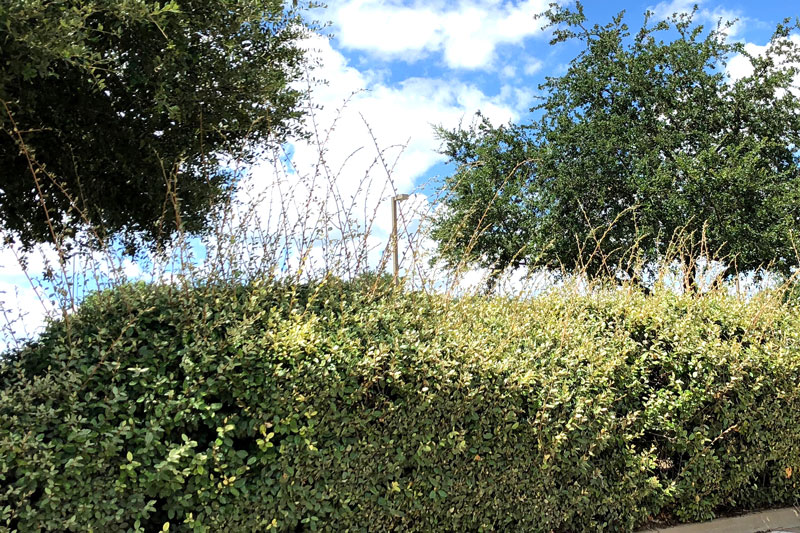
• Wait to do major pruning until late winter. Pruning also stimulates new growth, so with plants you know to be cold-sensitive in your area, wait until most of the danger of extreme cold has passed to do any major pruning. Minor tidy-up pruning can be done now as needed.
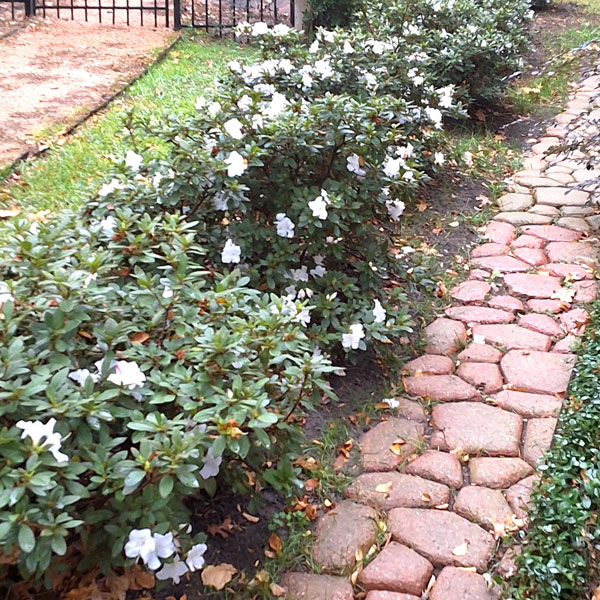
• Keep your plants properly hydrated, both through the fall and winter and especially prior to cold spells. Plants that are dry are much more vulnerable to freeze damage.
• Mulch your plantings. There are many reasons why this is a good idea. Mulching moderates the rate at which soils freeze and thaw. It’s those cycles that cause the most damage, so flattening those curves is much to the benefit of tender plants. Of course, mulches also reduce weed growth and splashing. They conserve soil moisture as well.
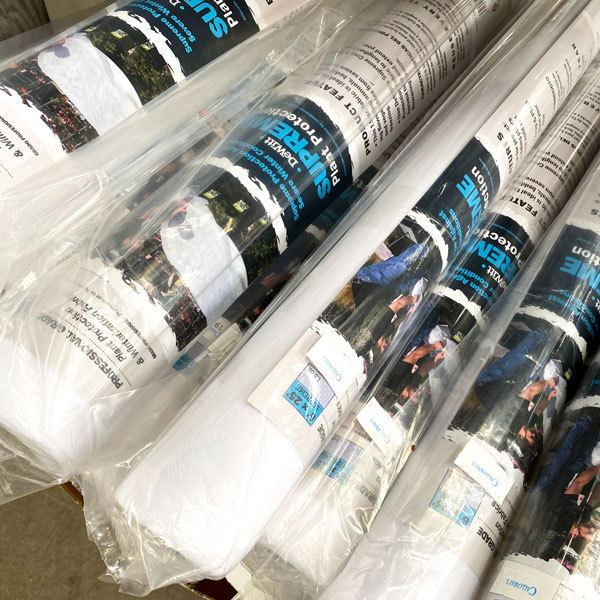
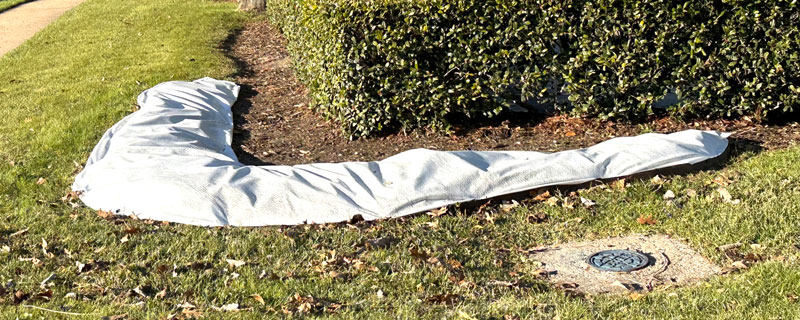
• Buy frost cloth now. Cut it to fit over beds. Roll it up neatly. Tie and band it with labels for quick and easy covering when a cold front approaches. Find decorative stones or bricks you can use to hold it down tight to the ground, then hide them within shrubs or other landscaping until you need them.
• With tropicals you have outdoors for the summer, make preparations now to get them indoors before the thermometer reads into the 30s at night. Many types suffer “chill” injury at temperatures well above 32F.
Those aren’t complicated suggestions. They’re more about common sense, but those plans need to start now.
And then I went back to sleep.