
There’s a monarch miracle among us
You might think you were reading about birds when you saw the first words about the migration of monarchs. They go great distances – much farther than most of us would have assumed for such a delicate looking little insect. But there’s a lot more to their story, and it’s starting to play out across Texas.
In recent decades it’s been discovered that monarchs all spend their winters in a very small and extremely remote part of the mountains of Mexico.
In March and April, they begin their migration north. Texas is like the neck of their funnel. They pass northward through our state laying eggs on native species of milkweeds.
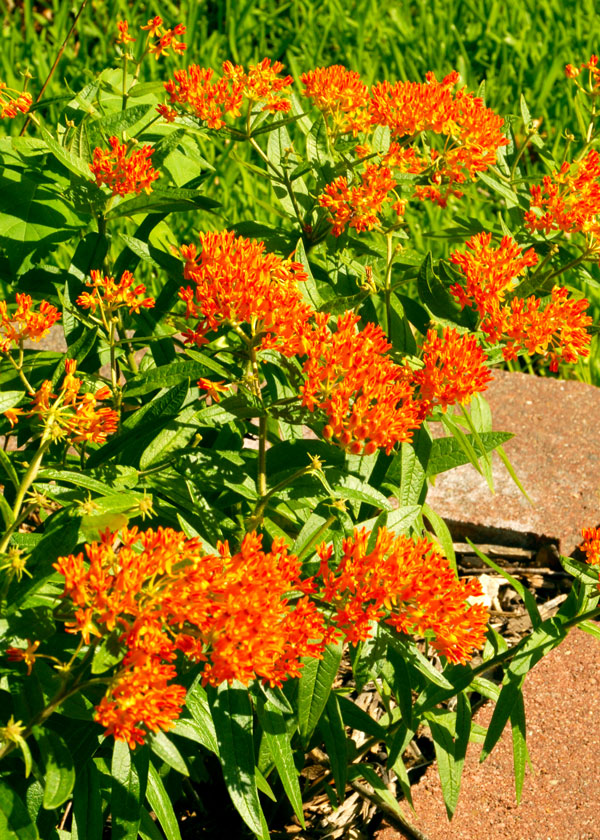
While we have a reported 27 species of Asclepias across Texas, green milkweed (A. viridis) is the most common in pastures and ranchlands. And the lovely perennial wildflower called butterfly weed (A. tuberosa) of the eastern third of the state is also common in some spots.
The monarchs feed, lay eggs, the eggs hatch, the larvae pupate, and the butterflies emerge and then fly northward to spread across the eastern United States into Canada where short-lived generations develop from late spring through summer.
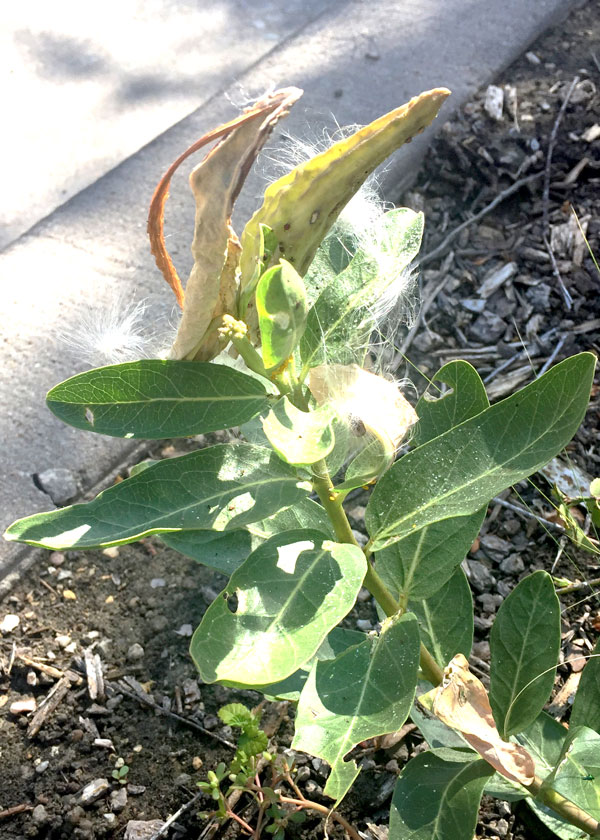
The miracle of the monarchs…
By late summer and into the fall a special generation of “super monarchs” is produced. These much larger butterflies are capable of making the long journey south back to Mexico pausing long enough to feed on nectar of fall-flowering plants of many species – not just the milkweeds.
We Texans can help the migration back through the neck of that funnel by leaving our flowering plants in place. We need to keep them watered during this ongoing drought, and we can leave them free of harmful pesticides. Don’t do a lot of heavy shearing. Leave their flowering stalks in place if they’re still producing blooms. Milkweed is important in the spring, but nectar to nourish the super monarchs is essential.

Plants that are most likely to entice the monarchs in fall: Mexican bush salvia and other fall-flowering sages, lantanas, Gregg’s mistflower (see our recent story here in e-gardens), fall asters, and goldenrod as they come into bloom.
I remember stopping in at North Haven Gardens in Dallas to take photos probably 30 years ago. They had several 2-gal. Mexican bush sages in full bloom just inside the old front gate, and the monarchs had found them. Probably 30 of them hovering all around them. And then I noticed that many of the butterflies had banded wings. Their migration was being tracked and traced. I ran into more of the banded monarchs – maybe some of the same ones – out at the Dallas Arboretum a couple of days later. Entomologists never cease to amaze me.
With all this drought one might think that leaving a shallow pan of clean water out for the monarchs would be a good idea, but the National Wildlife Federation suggests they could actually drown in it. Instead, they suggest filling a shallow saucer with pebbles and adding enough water daily to keep the stones moist – no standing water. They sip water from the surface of the rocks.
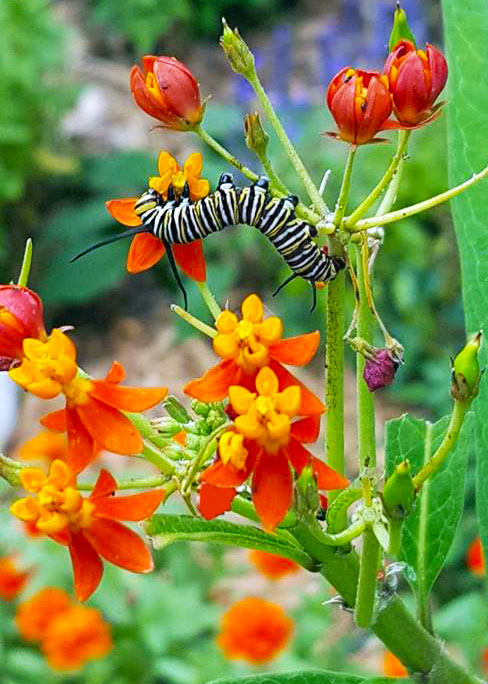
We have lovely tropical milkweeds (mainly selections of Asclepias curassavica) that have become popular with Texas gardeners. While their nectar is fine for the migratory monarchs, their leaves are not. There is justifiable concern that they retain their foliage too long into the fall and perhaps, in South Texas, even through the winter. Without taking time for details, that can cause several problems for the migrating monarchs.
If you grow these tropical milkweeds, cut them back to within 6 inches of the ground in early October. Discard the cut foliage. Regrowth should be kept trimmed back as well. Otherwise, don’t plant them in the first place. Stick with native species of milkweeds.
That’s a bit of the complicated story of monarchs. I encourage you to delve a bit deeper. There are excellent articles out there online, and they all serve to help us appreciate these magnificent beauties that soon will be fluttering past us.